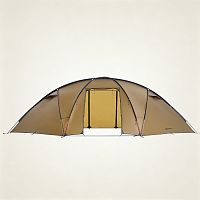
Barracuda Series
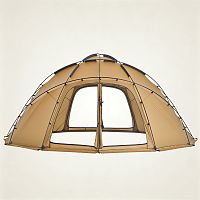
Roost Series
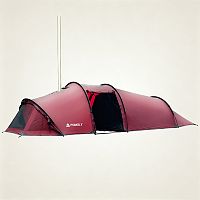
Openvista Series
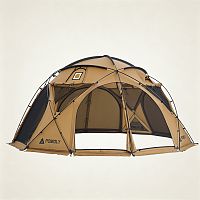
Sphere X Series
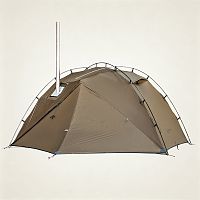
Dune Series

Circle Tent Series
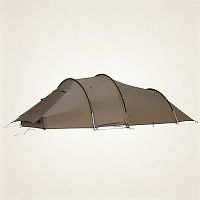
Locomotive Series
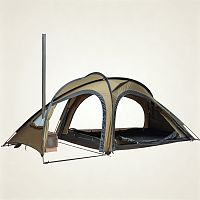
LEO Series
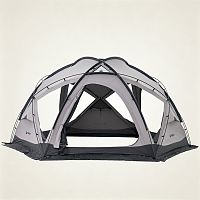
Dome X Series
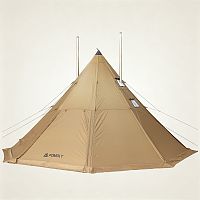
Bromance Series
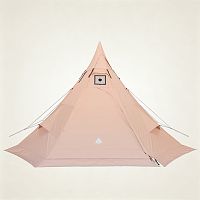
PEAK Series
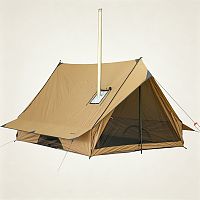
CHALET Series
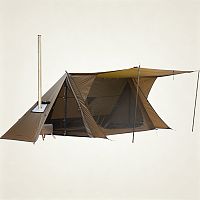
STOVEHUT Series
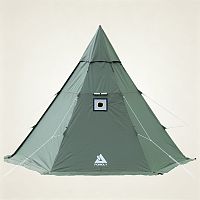
HEX Series
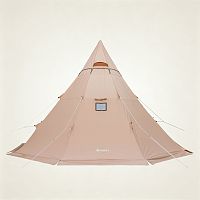
YARN Series
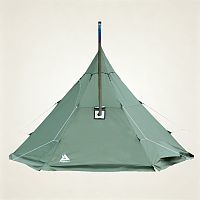
MANTA Series
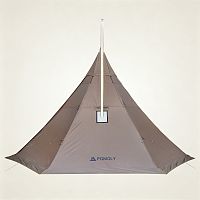
HUSSAR Series
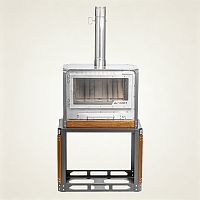
Druid Series
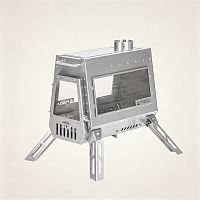
Dagger Series
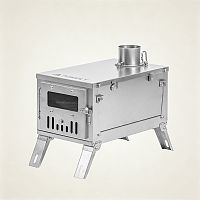
GT Series
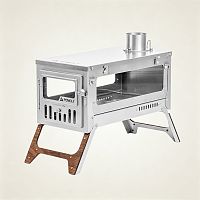
T1 3.0 Series
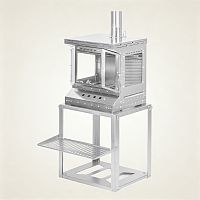
Reactor Series

Hive Series

Cube Series

X-Ti Series
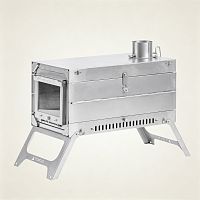
Fold X Series

Baker Series
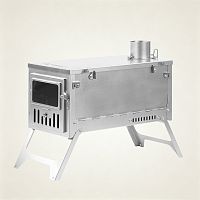
T1 2.0 Series
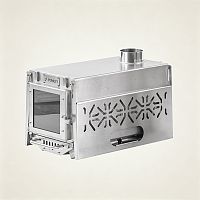
Oroqen 2.0 Series
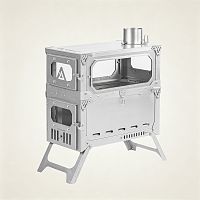
T-Brick 2.0 Series

Lumberjack Series
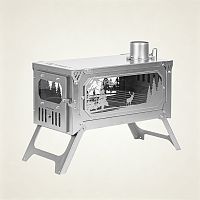
T-Brick Series
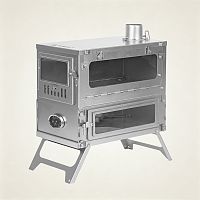
T1 1.0 Series

Dweller Ti Series
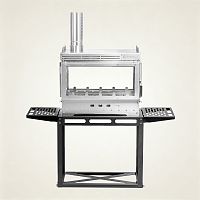
Dweller Series
TRAVELLER Series
TIMBER Series


Barracuda Series
Roost Series
Openvista Series
Sphere X Series
Dune Series
Circle Tent Series
Locomotive Series
LEO Series
Dome X Series
Bromance Series
PEAK Series
CHALET Series
STOVEHUT Series
HEX Series
YARN Series
MANTA Series
HUSSAR Series
Druid Series
Dagger Series
GT Series
T1 3.0 Series
Reactor Series
Hive Series
Cube Series
X-Ti Series
Fold X Series
Baker Series
T1 2.0 Series
Oroqen 2.0 Series
T-Brick 2.0 Series
Lumberjack Series
T-Brick Series
T1 1.0 Series
Dweller Ti Series
Dweller Series
TRAVELLER Series
TIMBER Series
Cart
Survival Camping 101: Essential Tips and Tricks for Outdoor Adventures
Survival camping is an exhilarating way to connect with nature and test your outdoor skills. Whether you're a beginner or an experienced camper, it's important to be well-prepared for the challenges that come with it. In this Survival Camping 101 guide, we will provide you with essential tips and tricks to enhance your outdoor adventures and ensure a safe and enjoyable experience. From planning and packing to navigation and emergency preparedness, let's dive into the world of survival camping.

Planning and Preparation
Essential Gear and Equipment
Fire Building and Campsite Setup
Water and Food Procurement
Navigation and Emergency Preparedness
Leave No Trace Principles
Conclusion:
- Contact Us
-

Forge Your Outdoor Home!
At POMOLY,
we believe home is more than a place; it is a feeling you can create anywhere in the wild.
From shelter and fire to outdoor living, our gear helps you forge a basecamp, stay awhile, and make the wild feel like home.
- Company Info
- POMOLY Story
- About us
- Contact Form
- Leave-No-Trace
- Facebook Group
- YouTube Videos
- Contact Info
- Topic Collections
- Policies & Terms
- Payment Policy
- Shipping Policy
- Return & Refund
- Privacy Policy
- Terms of Use
- Duty Policy
- Product Safety Notice
- Warranty Guidelines
- INTELLECTUAL PROPERTY RIGHTS
- User Center
- Forget Password
- My Orders
- Tracking Order
- My Account
- Register
- Popular Searches
-
Tipi Tents Dome Tents Camping Tent Hammock Stove Camping Camping Pellet Stove Circle 6 Titanium Water TankDome X Locomotive 20 LEO 2 camping tent T-Brick 2.0 T1 2.0 tent stove Dweller wood stove Oroqen 2.0 Chimney Water Tank Lumberjack STOVEHUT Bromance 70 Tipi Pomoly Coupon Baker Oven Stove Titanium elbow Fire Pits Tent Stove titanium Stove
Copyright © 2026 Pomoly All rights reserved. Sitemap
FREE SHIPPING | FULL REFUND | SAFE PAYMENT | EMAIL SUPPORT