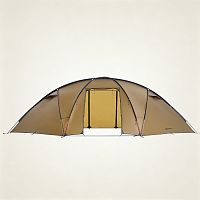
Barracuda Series
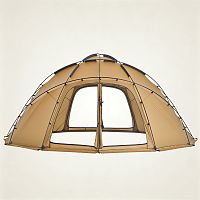
Roost Series
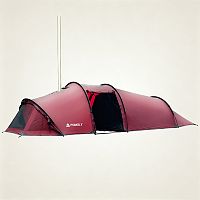
Openvista Series
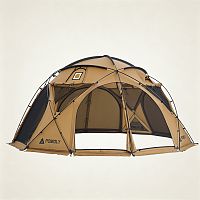
Sphere X Series
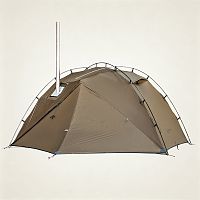
Dune Series
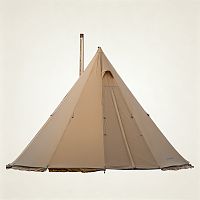
Circle Tent Series
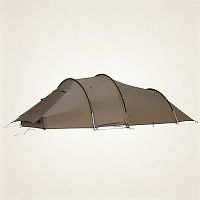
Locomotive Series
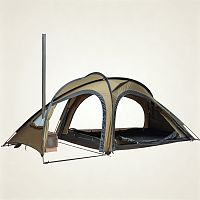
LEO Series
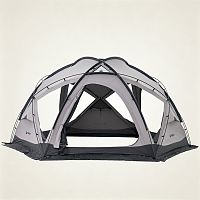
Dome X Series
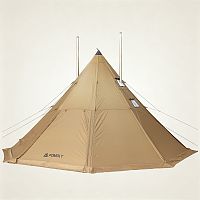
Bromance Series
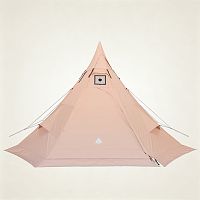
PEAK Series
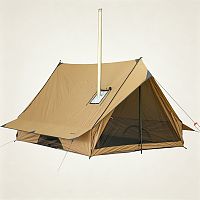
CHALET Series
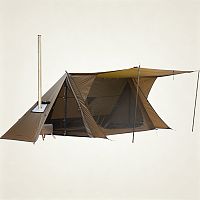
STOVEHUT Series
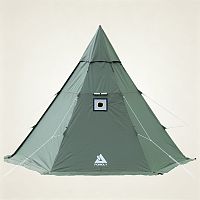
HEX Series
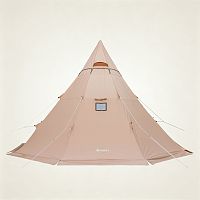
YARN Series
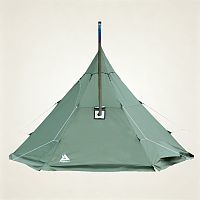
MANTA Series
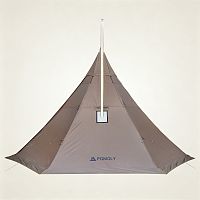
HUSSAR Series
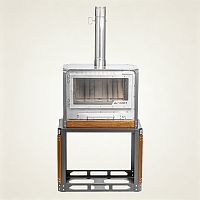
Druid Series
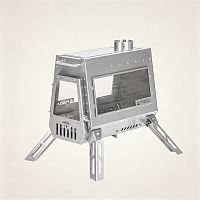
Dagger Series
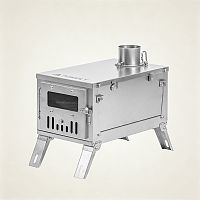
GT Series
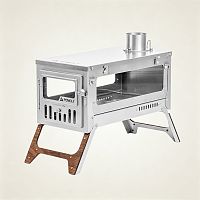
T1 3.0 Series
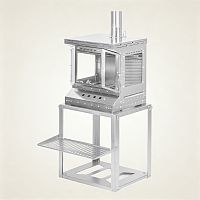
Reactor Series
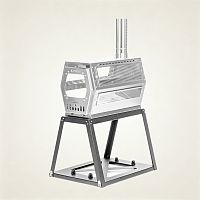
Hive Series
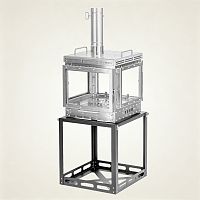
Cube Series
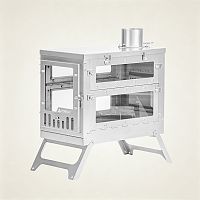
X-Ti Series
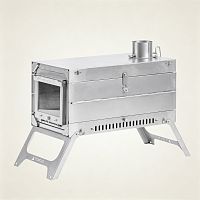
Fold X Series
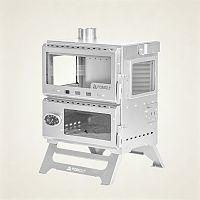
Baker Series
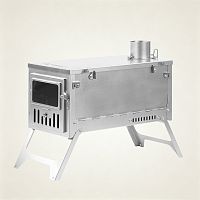
T1 2.0 Series
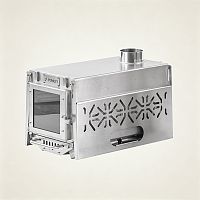
Oroqen 2.0 Series
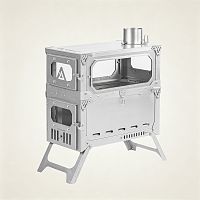
T-Brick 2.0 Series
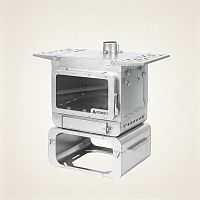
Lumberjack Series
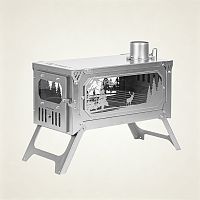
T-Brick Series
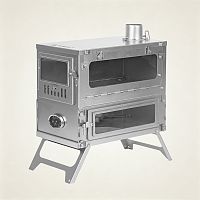
T1 1.0 Series
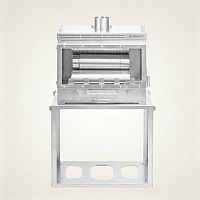
Dweller Ti Series
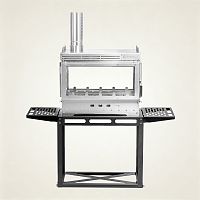
Dweller Series
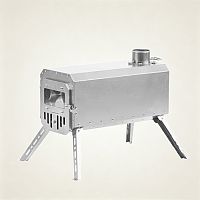
TRAVELLER Series
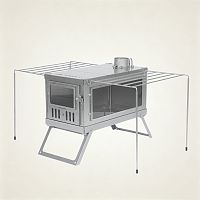
TIMBER Series


Barracuda Series
Roost Series
Openvista Series
Sphere X Series
Dune Series
Circle Tent Series
Locomotive Series
LEO Series
Dome X Series
Bromance Series
PEAK Series
CHALET Series
STOVEHUT Series
HEX Series
YARN Series
MANTA Series
HUSSAR Series
Druid Series
Dagger Series
GT Series
T1 3.0 Series
Reactor Series
Hive Series
Cube Series
X-Ti Series
Fold X Series
Baker Series
T1 2.0 Series
Oroqen 2.0 Series
T-Brick 2.0 Series
Lumberjack Series
T-Brick Series
T1 1.0 Series
Dweller Ti Series
Dweller Series
TRAVELLER Series
TIMBER Series
Cart
What Is Hot Tenting?
Hot tenting is a style of camping that combines a stove-compatible shelter, usually called a hot tent, with a tent stove to create a warm and functional living space outdoors. Unlike traditional camping, where a tent primarily provides protection from the weather and a place to sleep, hot tenting allows campers to use a wood-burning stove inside a properly designed shelter for warmth, cooking, boiling water, and relaxing.
In simple terms, hot tenting means camping in a stove-compatible tent with a tent stove to create a warm, functional outdoor living space. The tent provides shelter from the elements, while the stove provides heat and can also be used for cooking and making hot drinks.
Hot tenting is especially popular for winter and cold-weather camping, but it is not limited to a particular season. At its core, it is about making a tent more than just a place to sleep and creating a more comfortable way to spend time outdoors.
What Is a Hot Tent?
A hot tent is a tent designed to be used with a tent stove. The most recognizable feature is usually a stove jack, a reinforced opening that allows the stove pipe to pass safely through the tent wall or roof.
Hot tents come in many different shapes and sizes. Some are compact shelters designed for solo campers or small groups, while larger models provide enough room for several people, sleeping areas, cooking space, and camping gear. The shape of a hot tent is not what defines it.
A teepee-style shelter, pyramid tent, tunnel tent, or larger basecamp shelter can all be considered hot tents if they are properly designed for stove use. What matters is that the shelter is intended to work with a tent stove and has the appropriate construction and ventilation for that purpose.
This makes a hot tent different from simply bringing a portable wood stove into an ordinary camping tent. A stove-compatible shelter is designed with the heat, chimney, and ventilation requirements of wood-stove camping in mind.
What Is a Tent Stove?
A tent stove is a compact wood-burning stove designed for use inside a suitable shelter. Depending on the model, tent stoves can be made from materials such as titanium or steel and typically include a firebox, stove body, legs, and chimney pipe.
The most obvious function of a tent stove is heat. When firewood burns inside the stove, the stove radiates heat into the surrounding space while the chimney carries smoke and combustion gases outside the tent. In cold conditions, this can make a significant difference to the comfort of the living area.
But heat is only part of the appeal. Many tent stoves are also designed for cooking. Campers can heat water, prepare simple meals, simmer food, fry ingredients, or make coffee on the stove. This means one piece of equipment can serve both as a heat source and part of the camp kitchen.
That combination is one of the defining characteristics of hot tenting.
How Does Hot Tenting Work?
The basic idea behind hot tenting is relatively simple. First, the camper sets up a hot tent and chooses a suitable location for the stove. The tent stove is positioned on an appropriate, stable surface, and the chimney pipe is connected to the stove and routed through the stove jack.
Once the stove is burning, firewood produces heat inside the stove while smoke and combustion gases travel through the chimney and outside the shelter. As the stove heats up, the temperature inside the tent rises and the shelter becomes a warmer place to spend time.
However, hot tenting is not simply a matter of putting a wood stove inside a tent. The shelter, stove, chimney, ground protection, ventilation, and campsite layout all need to work together.
Campers also need to consider sparks, hot stove surfaces, chimney stability, and carbon monoxide. The stove should be operated according to its instructions and should never be used in a shelter that is not designed or approved for stove use. Understanding this basic system is an important part of learning how to hot tent safely and comfortably.
Why Do People Go Hot Tenting?
For many campers, the biggest attraction is the ability to stay comfortable when temperatures drop. Cold weather can make even simple activities more difficult. Cooking outside becomes less appealing, wet clothing can take longer to dry, and sitting around camp after sunset may become uncomfortable.
A hot tent changes the experience by creating a warm place where campers can continue their normal camp activities. But warmth is only part of the reason people choose hot tenting.
Winter Camping
Hot tenting is closely associated with winter camping. Snow-covered forests, frozen lakes, and cold temperatures create a very different camping environment from summer. A sleeping bag can provide warmth while sleeping, but campers still need somewhere comfortable to sit, cook, change clothes, and organize their gear during the day.
A hot tent provides that space. Instead of spending a winter evening entirely inside a sleeping bag, campers can sit near the stove, prepare dinner, melt snow for water, or simply enjoy the warmth while watching the weather outside. This makes hot tenting particularly appealing for people who want to spend more time outdoors during the colder months.
Cooking in a Hot Tent
Cooking is another important part of the hot tenting experience. A tent stove can provide a convenient surface for heating water and preparing food, depending on the stove design and manufacturer guidelines.
A cold-weather camp might involve heating soup, frying bacon, cooking sausages, simmering a meal, or boiling water for coffee or tea. The food itself is only part of the experience. Cooking inside a warm shelter means campers do not necessarily have to stand outside in freezing temperatures while preparing dinner.
Over time, cooking can become one of the most enjoyable routines of a hot tent camp.
Coffee and Slow Mornings
Hot tenting can also change the way mornings feel outdoors. On a cold morning, starting a fire and putting a kettle on the stove can be the first step of the day. Instead of immediately leaving the shelter, campers can warm up, make coffee, prepare breakfast, and watch the weather outside.
There is something different about hearing rain or snow outside while sitting beside a warm stove. For some campers, these quiet moments are just as important as the practical benefits of the stove.
Is Hot Tenting Only for Winter?
No. Although hot tenting is strongly associated with winter camping, it can also be used during fall, spring, and other cooler conditions.
The stove does not necessarily need to run continuously. In milder weather, campers may use the hot tent primarily as a shelter and operate the stove when temperatures drop or when additional warmth is needed.
This makes hot tenting less about a specific season and more about having a flexible shelter system that can adapt to changing conditions. A compact setup might be used for a cool weekend in the mountains, while a larger shelter and stove can support a multi-day winter basecamp.
The appropriate setup depends on the weather, location, group size, and type of trip.
Hot Tenting vs. Traditional Tent Camping
The easiest way to understand hot tenting is to compare it with conventional tent camping. A traditional tent is primarily a shelter. It protects campers from rain, wind, snow, insects, and other environmental conditions while providing a place to sleep.
A hot tent provides those basic functions too, but it is designed to accommodate a tent stove. That additional capability changes how the shelter can be used.
A hot tent can become a place to cook, warm up, dry damp gear, make coffee, organize equipment, and spend time during poor weather. Traditional camping often revolves around sleeping outdoors. Hot tenting can be more about living outdoors.
The difference becomes particularly noticeable on longer trips. When a tent is only a place to sleep, bad weather can quickly limit what you can do at camp. When the shelter becomes a functional living space, campers have more options for dealing with cold, snow, rain, and changing conditions. This is one of the reasons hot tenting has become increasingly appealing beyond traditional winter camping.
Is Hot Tenting Safe?
Hot tenting can be a safe and enjoyable way to camp when the right equipment is used and the stove is operated properly. However, a wood-burning stove inside a tent requires careful attention to fire safety and ventilation.
A stove should only be used inside a shelter specifically designed or approved for stove use. Keep combustible materials away from hot surfaces, use appropriate ground protection, maintain adequate ventilation, and make sure the chimney is properly installed and supported.
Carbon monoxide is another important consideration whenever combustion takes place in an enclosed space. A tent stove must have a functioning chimney and sufficient ventilation, and campers should understand the safety requirements for their specific shelter and stove.
It is also important to learn how the stove burns and how much heat it produces. A tent stove requires active management and should not be treated like an unattended indoor heating system.
Good hot tenting is not about maximizing heat. It is about creating a controlled and comfortable environment while respecting the risks that come with fire.
What Do You Need for Hot Tenting?
A basic hot tenting setup usually includes several essential components:
- Hot tent: A shelter designed for use with a tent stove.
- Tent stove: A wood-burning stove appropriately sized for the shelter.
- Chimney pipe: Used to direct smoke and combustion gases outside the tent.
- Stove jack: A reinforced, heat-resistant opening designed for the chimney pipe.
- Firewood: The fuel used to operate the stove.
- Heat-resistant ground protection: Used beneath the stove when required by the setup.
- Sleeping system: Such as a sleeping bag and sleeping pad suitable for the expected conditions.
- Basic fire and carbon monoxide safety equipment: Important for responsible stove use.
Beyond these essentials, campers may add cookware, lighting, storage, furniture, tables, chairs, and other equipment depending on the length and style of the trip. A lightweight overnight setup can remain relatively simple.
A larger basecamp setup can be much more spacious, with enough room for cooking, sleeping, relaxing, storing equipment, and spending extended periods inside the shelter. There is no single way to hot tent. The ideal setup depends on how, where, and how long you plan to camp.
Building a Hot Tenting Setup
A hot tenting setup can be as simple or as capable as the trip requires. For some campers, that means a lightweight shelter and compact stove for a weekend in the woods. For others, it means creating a more spacious setup for longer stays in cold weather.
The right combination of shelter, stove, and accessories provides the foundation for making that kind of outdoor experience possible.
Hot Tents (10)
-
STOVEHUT 70 3.0 New Version Camping Hot Tent | 4 Season Shelter for Bushcrafter | POMOLY New Arrival(40)US$ 151.05 US$ 159.00
-
-
-
-
【Pre Order】Bromance 70 Tipi Wood Stove Tent for 4-6 Person (3 Stove Jacks) | POMOLY New Arrival(32)US$ 242.99 US$ 269.99


Tent Stoves (10)


From Hot Tent to Outdoor Home
Hot tenting starts with equipment, but it does not have to end there. For some campers, a hot tent and stove are simply practical tools for staying warm in cold weather. For others, they become the foundation of a more comfortable basecamp—a place to return to after a day outside, cook a meal, dry wet gear, make coffee, and slow down for the evening.
As the shelter becomes more functional, it can also become more personal. Campers may add furniture, cooking equipment, storage, lighting, and other details that make the space feel familiar. What started as a temporary shelter can gradually take on the qualities of a small outdoor home.
This idea is closely connected to the way POMOLY approaches hot tenting. POMOLY began with equipment: hot tents, titanium tent stoves, and accessories designed for real outdoor use. But equipment is only the starting point.
The larger idea is to build a complete Hot Tenting System around the way people actually live outdoors. From there comes Basecamp—a place where you can return after a day outside, prepare a meal, dry your gear, warm up beside the stove, and settle into the environment rather than simply pass through it.
Over time, that basecamp can become something more personal: an Outdoor Home designed around the way you want to spend time in nature. This reflects POMOLY's broader progression:
Equipment → Hot Tenting System → Basecamp → Outdoor Home → Outdoor Living
Each step is about reducing some of the practical barriers that can make extended time outdoors difficult. A reliable shelter provides protection from changing weather. A tent stove adds warmth and a way to cook. A well-planned basecamp provides a place to rest, eat, organize gear, and enjoy the environment around you.
The goal is not to bring everything from home into the wilderness. It is to create enough comfort and functionality to make staying outdoors feel natural.
That idea is at the heart of POMOLY's mission to help more people live better outdoors. The outdoors does not always have to be a place we briefly visit before returning home. With the right equipment and a little planning, it can become a place where we stay longer, slow down, and create our own routines.
Hot Tenting Is More Than Staying Warm
The appeal of hot tenting ultimately goes beyond temperature. It is about what becomes possible when you have a warm, functional shelter in the middle of nature.
You can cook dinner while snow falls outside. You can make coffee on a cold morning. You can dry damp clothing beside the stove. You can sit inside and wait out a storm instead of immediately ending the trip. You can turn a simple campsite into a place where people actually want to spend time.
For some campers, hot tenting is a practical way to make winter camping possible. For others, it is a way to slow down and spend more meaningful time outdoors. And for those who enjoy longer trips, it can become the foundation of a personal basecamp.
This is why hot tenting can be viewed as more than a camping technique. It changes the relationship between shelter and the outdoors—from simply having somewhere to sleep to creating a place where you can cook, rest, gather, and live for a while.
Conclusion: What Is Hot Tenting?
Hot tenting is a form of camping that combines a stove-compatible hot tent with a tent stove to create a warm, functional outdoor living space. The tent provides shelter from the elements, while the stove provides heat and can also support cooking, boiling water, making coffee, and other everyday camp activities.
Although hot tenting is most commonly associated with winter and cold-weather camping, it is not limited to winter. Its purpose is broader than simply staying warm. Hot tenting gives campers more flexibility to spend time outdoors, even when temperatures drop or weather conditions become challenging.
At its simplest, hot tenting is shelter, fire, and living.
As the setup grows, that simple combination can become something more personal: a basecamp, an outdoor home, and eventually a way of experiencing nature that is less about a short visit and more about staying awhile.
That is the idea behind POMOLY — A Brand Built Around Basecamp.
Shelter. Fire. Living.
Forge Basecamp. Make It Home.
- Contact Us
-

Forge Your Outdoor Home!
At POMOLY,
we believe home is more than a place; it is a feeling you can create anywhere in the wild.
From shelter and fire to outdoor living, our gear helps you forge a basecamp, stay awhile, and make the wild feel like home.
- Company Info
- POMOLY Story
- About us
- Contact Form
- Leave-No-Trace
- Facebook Group
- YouTube Videos
- Contact Info
- Topic Collections
- Policies & Terms
- Payment Policy
- Shipping Policy
- Return & Refund
- Privacy Policy
- Terms of Use
- Duty Policy
- Product Safety Notice
- Warranty Guidelines
- INTELLECTUAL PROPERTY RIGHTS
- User Center
- Forget Password
- My Orders
- Tracking Order
- My Account
- Register
- Popular Searches
-
Tipi Tents Dome Tents Camping Tent Hammock Stove Camping Camping Pellet Stove Circle 6 Titanium Water TankDome X Locomotive 20 LEO 2 camping tent T-Brick 2.0 T1 2.0 tent stove Dweller wood stove Oroqen 2.0 Chimney Water Tank Lumberjack STOVEHUT Bromance 70 Tipi Pomoly Coupon Baker Oven Stove Titanium elbow Fire Pits Tent Stove titanium Stove
Copyright © 2026 Pomoly All rights reserved. Sitemap
FREE SHIPPING | FULL REFUND | SAFE PAYMENT | EMAIL SUPPORT