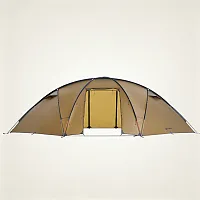
Barracuda Series
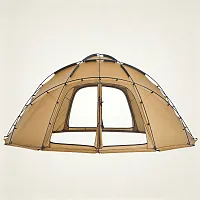
Roost Series
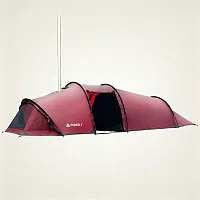
Openvista Series
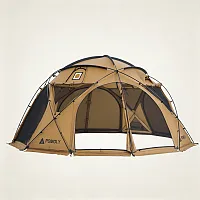
Sphere X Series
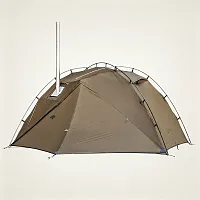
Dune Series
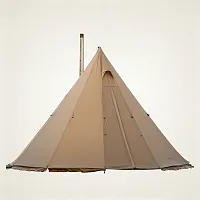
Circle Tent Series
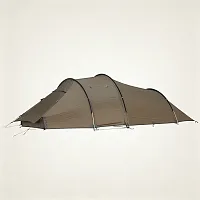
Locomotive Series
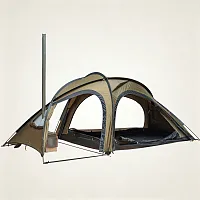
LEO Series
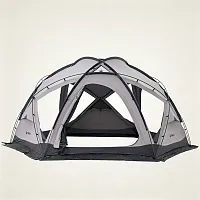
Dome X Series
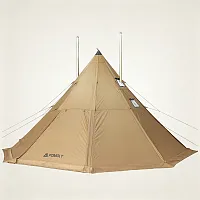
Bromance Series
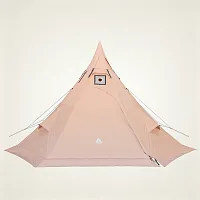
PEAK Series
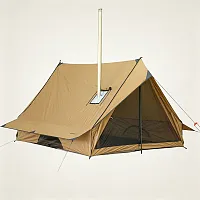
CHALET Series
STOVEHUT Series
HEX Series
YARN Series

MANTA Series
HUSSAR Series
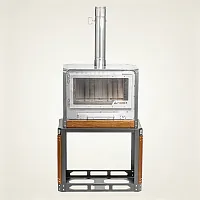
Druid Series
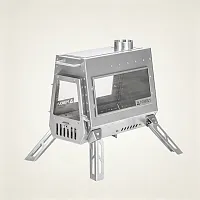
Dagger Series
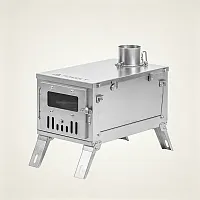
GT Series
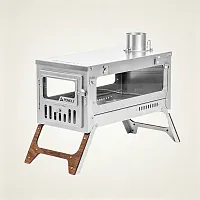
T1 3.0 Series
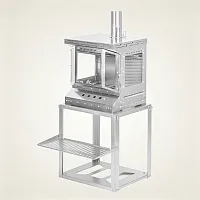
Reactor Series
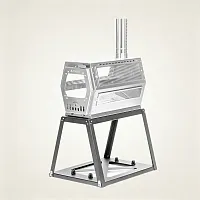
Hive Series
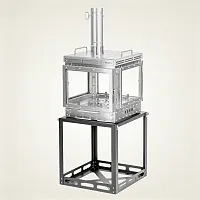
Cube Series
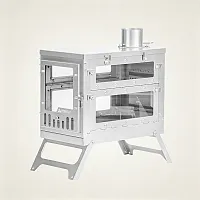
X-Ti Series
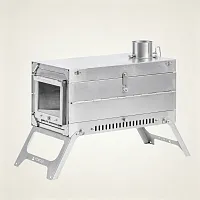
Fold X Series
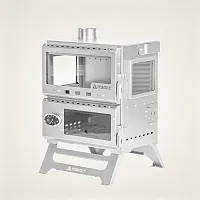
Baker Series

T1 2.0 Series
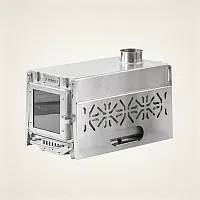
Oroqen 2.0 Series

T-Brick 2.0 Series
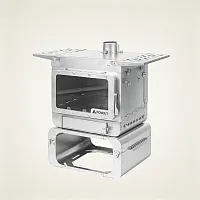
Lumberjack Series
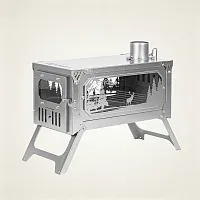
T-Brick Series
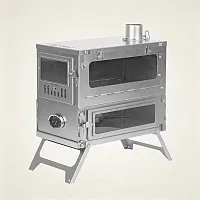
T1 1.0 Series
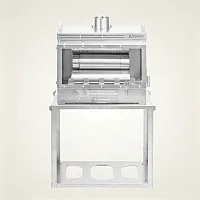
Dweller Ti Series
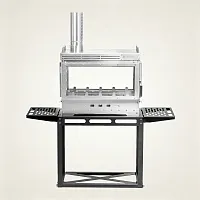
Dweller Series

TRAVELLER Series
TIMBER Series


Barracuda Series
Roost Series
Openvista Series
Sphere X Series
Dune Series
Circle Tent Series
Locomotive Series
LEO Series
Dome X Series
Bromance Series
PEAK Series
CHALET Series
STOVEHUT Series
HEX Series
YARN Series
MANTA Series
HUSSAR Series
Druid Series
Dagger Series
GT Series
T1 3.0 Series
Reactor Series
Hive Series
Cube Series
X-Ti Series
Fold X Series
Baker Series
T1 2.0 Series
Oroqen 2.0 Series
T-Brick 2.0 Series
Lumberjack Series
T-Brick Series
T1 1.0 Series
Dweller Ti Series
Dweller Series
TRAVELLER Series
TIMBER Series
Cart
Hot Tent Camping Tips & Safety Guide | POMOLY
POMOLY Handbook
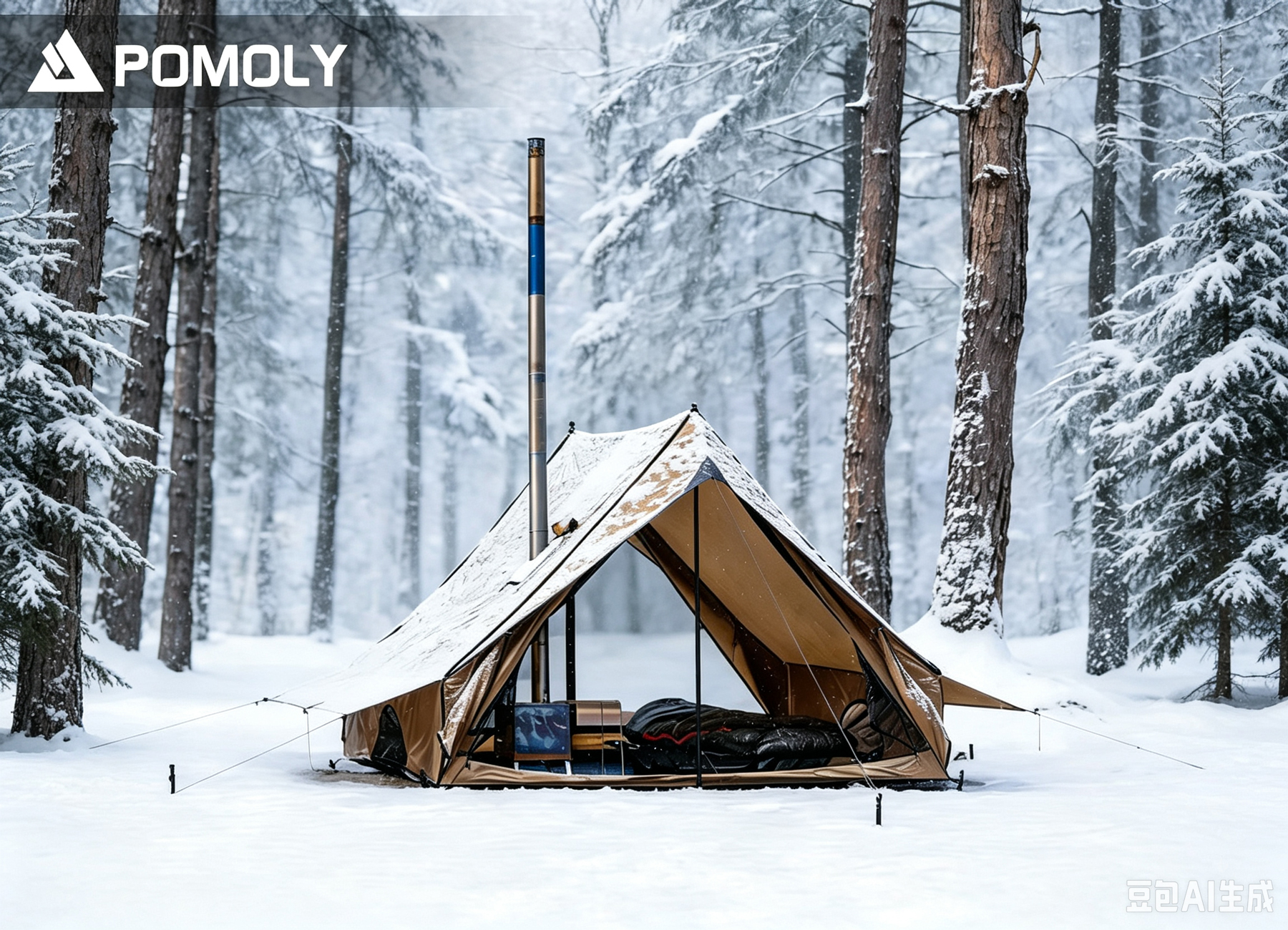
Hot tent camping means sleeping, cooking, and staying warm in the same shelter—with a wood-burning stove inside. That setup can make cold-weather camping far more comfortable, but it also requires more careful campsite planning. This guide covers the details that matter most: choosing a safe location, managing heat and smoke, handling firewood, keeping ventilation working, and staying safe overnight.
What Makes Hot Tent Camping Different?
A hot tent is more than a tent with a stove inside. You are managing an active heat source, a chimney passing through the shelter, smoke and other combustion gases, changing airflow, and a fire that may need attention throughout the evening.
That is why a good hot tent setup starts before the first fire is lit. Site selection affects wind exposure. Wind affects the tent and chimney. Draft is the airflow that pulls smoke and combustion gases up and out through the chimney. Chimney draft affects how the stove burns. Moisture affects both the tent and the firewood. Each part of the system influences the next.
For new hot tent campers, the biggest mistake is focusing only on staying warm. A comfortable setup also needs controlled airflow, a stable stove, and enough chimney clearance. You also need dry fuel—and a campsite free of overhead and surrounding hazards.
Choose a Safe Place to Set Up
The safest hot tent setup begins with a campsite that does not introduce unnecessary hazards before you even unpack the stove.
Look for ground that is firm, reasonably level, and well drained. Avoid locations where heavy rain, melting snow, or runoff could collect underneath the tent.
Then look up—not just down. The USDA Forest Service warns that dead, leaning, damaged, or unstable trees are a hazard—especially when wind or snow makes falling branches more likely.
- Firm, relatively level ground with good drainage.
- Clear space around the tent for guylines and movement.
- A location away from dead, leaning, or visibly damaged trees.
- Enough overhead clearance for the chimney setup your stove and tent require.
- Local fire regulations that allow your stove or fire.
- Standing dead trees or areas with many broken branches.
- Low spots where water or melting snow can accumulate.
- Loose ground that makes secure tent or stove positioning difficult.
- Dry grass, brush, leaves, or other easily ignited material around the stove.
- Campsites where local fire restrictions prohibit wood fires.
Secure the Tent and Position the Stove
A stable stove starts with a stable shelter. The stove should sit on a firm, level surface and remain clear of fabric, sleeping gear, clothing, and other combustible items.
Stake and tension the tent according to its design. In windy conditions, inspect the guylines and attachment points before lighting the stove. A tent that shifts significantly in the wind can change the position of the chimney relative to the stove jack.
If the manufacturer requires it, use a stove platform or heat-resistant floor protection designed for wood-stove use. The purpose is to create a stable, protected area beneath the stove—not to make an unstable stove safe.
- Place the stove on stable, level ground.
- Keep combustible gear away from the stove and chimney.
- Secure the tent before starting the fire.
- Check the stove door, legs, pipe sections, and connections before use.
- Use the stove on an unstable or sloping surface.
- Allow clothing or sleeping equipment to accumulate around the stove.
- Assume a floor protector will prevent burns or keep a stove from tipping.
- Change the stove's intended configuration without checking the manufacturer's instructions.
Keep the Chimney Straight, Stable, and Supported
The chimney carries combustion gases outside. Its position, height, support, and contact with the stove jack all deserve regular attention.
Assemble the stove pipe according to the stove manufacturer's instructions, and make sure every section is properly seated. The pipe should remain centered where it passes through the stove jack—the heat-resistant opening where the chimney exits the tent.
The upper section of the chimney also needs enough height and clearance for your stove and tent setup. Wind, chimney height, pipe configuration, and surrounding structures can all influence draft.
Do not treat the stove jack as a universal heat shield. The jack is designed for a specific installation and temperature range. If your system requires a heat-resistant sleeve or additional insulation around a section of pipe, use a product rated for the temperatures involved.
Control the Fire Instead of Chasing Heat
A hot tent stove works best when the fire is managed deliberately. Bigger flames do not automatically mean a better or safer camp.
Start with a manageable fire and gradually build heat. Once the stove reaches operating temperature, adjust the airflow according to the stove design rather than continually adding more wood.
Chimney draft can change with outdoor temperature, wind, chimney height, and the condition of the fire. If the stove suddenly burns faster or slower than expected, check the draft or the fuel before adding more wood.
- Start with smaller, controllable pieces of dry wood.
- Allow the stove to reach a stable burn before adjusting the airflow.
- Adjust airflow gradually according to the stove design.
- Never leave a live fire unattended.
- Follow the stove manufacturer's operating limits.
- Overloading the firebox to produce maximum heat.
- Using gasoline, kerosene, lighter fluid, or similar liquids to start a fire.
- Burning coal or fuels not approved for the stove.
- Leaving a burning stove unattended.
NFPA guidance for wood stoves also emphasizes burning dry, seasoned wood and keeping the stove door closed except when loading or tending the fire.
Dry Wood Makes a More Predictable Fire
The quality of your firewood affects heat output, smoke, combustion, and deposits inside the chimney.
Use properly seasoned, well-dried firewood appropriate for your stove. Fresh or damp wood generally burns less efficiently and can produce more smoke and moisture. NFPA specifically recommends dry, seasoned wood for wood stoves because it burns cleaner and produces less chimney buildup.
Carry enough wood for the conditions you expect rather than relying on finding suitable fuel after dark. In winter, snow and freezing temperatures can make otherwise available wood difficult to process or keep dry.
Watch for changing fuel conditions
Wood stored outside can absorb snow, rain, or ground moisture. Keep your usable firewood elevated and protected from precipitation. If your stove suddenly produces excessive smoke or struggles to maintain a clean burn, check the wood before assuming the stove is the problem.
Stay Warm Without Depending on the Stove Alone
The goal of a good winter camp is not to make the stove do all the work. Your sleeping system should still provide warmth after the fire dies down.
Use an appropriately rated sleeping bag or quilt, an insulated sleeping pad, and dry sleep clothing. The stove should improve the comfort of the living space, while your sleep system remains the primary source of overnight insulation.
Before going to bed, organize clothing, boots, water, and essential gear so you can reach them easily without moving around the stove area in the dark.
Cold Weather Changes More Than the Temperature
Freezing conditions affect fabric, condensation, snow load, stove draft, batteries, and the way you handle wet gear.
Snow and frost can accumulate on the tent and guylines. Inspect the shelter periodically and remove excessive snow before the weight becomes a structural problem.
Condensation can also become more noticeable in cold weather. Moisture generated by breathing, cooking, melting snow, and wet clothing can collect on the inner surface of the shelter and later freeze.
Ventilation is therefore not only a comfort issue. It helps manage humidity and supports the intended airflow of the shelter. Do not close every opening simply because the temperature drops.
- Inspect snow accumulation on the shelter regularly.
- Keep vents functioning as designed.
- Dry wet clothing and gear in a controlled location.
- Protect batteries and electronics from extreme cold when appropriate.
- Check the chimney for ice, snow, or obstruction before operating the stove.
- Letting heavy snow accumulate unchecked.
- Blocking ventilation because the tent feels cold.
- Operating a chimney that may be obstructed.
- Storing wet gear directly against tent fabric.
Keep Children Away From the Stove Area
A warm hot tent can feel like a small living room, but the stove is still a hot appliance—with hot metal, hot pipe, embers, and an open fire.
Create a clear boundary around the stove and chimney. Children should know that the stove area is not a play area, and adults should avoid placing toys, clothing, snacks, or frequently used gear near the stove simply because it is convenient.
Explain the rules before the fire is lit. It is easier to establish a simple "no-touch, no-running" zone before the tent becomes warm and busy.
Understand the Risk of Carbon Monoxide
Carbon monoxide is one of the most serious risks associated with using combustion equipment in or near enclosed or partially enclosed spaces.
CO is colorless and odorless. The CDC lists headache, dizziness, weakness, nausea, vomiting, chest pain, and confusion among common symptoms. People who are sleeping may not recognize the warning signs before becoming seriously ill.
This is why ventilation should never be treated as an optional comfort feature. Keep the tent's designed ventilation openings functioning, keep combustion gases routed through the chimney system, and inspect the stove and chimney before use.
A battery-powered CO alarm designed for the intended environment can provide an additional layer of monitoring, but it does not replace correct stove operation, ventilation, or maintenance. CPSC explicitly describes alarms as added protection rather than a substitute for proper use and upkeep.
Quick Checklist: Before You Light the Stove
Use this checklist before lighting your stove, especially when setting up in unfamiliar conditions.
- The campsite is clear of dead, leaning, or damaged trees.
- The ground is firm, reasonably level, and well drained.
- The tent is properly secured and tensioned.
- The stove is stable and positioned according to manufacturer requirements.
- Combustible gear is kept away from the stove and chimney.
- The stove pipe is correctly assembled and centered through the stove jack.
- The chimney is properly supported and has the required clearance.
- The chimney is free from snow, ice, debris, and obvious obstruction.
- Dry, appropriate firewood is ready before the fire is started.
- Ventilation openings are functioning as designed.
- A working CO alarm is available when recommended for your setup. Never rely on it as a substitute for ventilation or safe stove operation.
- Everyone in camp knows where the stove area begins and what the safety rules are.
- Local fire restrictions have been checked.
- The stove remains under active supervision while burning.
Respect the Fire. Every Time.
A wood stove turns a small shelter into a heated living space, but it also introduces a live fire into an enclosed environment. That changes the way the campsite needs to be managed.
Before lighting the stove
- Check the tent, stove, stove jack, pipe sections, and supports for damage.
- Confirm the chimney is correctly assembled and unobstructed.
- Make sure combustible gear is away from hot surfaces.
- Check local fire restrictions before starting the fire.
- Keep the appropriate means to control or extinguish the fire for your campsite and equipment.
While the stove is burning
- Keep the stove under active supervision according to the manufacturer's instructions.
- Do not overload the firebox.
- Do not use unapproved fuels or accelerants.
- Watch for excessive smoke, unusual draft, glowing pipe sections, or signs of overheating.
- Keep ventilation openings functioning as intended.
Before leaving camp
Make sure the fire is fully extinguished and follow the stove manufacturer's instructions for ash handling. Never assume that buried or partially burned embers are cold. USDA Forest Service guidance for campfires emphasizes that fires should be completely out before leaving the site.
Camp Warm. Stay Longer. Live Outdoors.
Hot tent camping is at its best when the equipment works quietly in the background—giving you a warm place to cook, rest, gather, and spend more time outside. Learn your equipment, understand the conditions, and build your campsite around the way you actually plan to live outdoors.
POMOLY designs hot tents, wood stoves, and outdoor gear for a more comfortable camping experience.
- Contact Us
-

Forge Your Outdoor Home!
At POMOLY,
we believe home is more than a place; it is a feeling you can create anywhere in the wild.
From shelter and fire to outdoor living, our gear helps you forge a basecamp, stay awhile, and make the wild feel like home.
- Company Info
- POMOLY Story
- About us
- Contact Form
- Leave-No-Trace
- Facebook Group
- YouTube Videos
- Contact Info
- Topic Collections
- Policies & Terms
- Payment Policy
- Shipping Policy
- Return & Refund
- Privacy Policy
- Terms of Use
- Duty Policy
- Product Safety Notice
- Warranty Guidelines
- INTELLECTUAL PROPERTY RIGHTS
- User Center
- Forget Password
- My Orders
- Tracking Order
- My Account
- Register
Copyright © 2026 Pomoly All rights reserved. Sitemap
FREE SHIPPING | FULL REFUND | SAFE PAYMENT | EMAIL SUPPORT