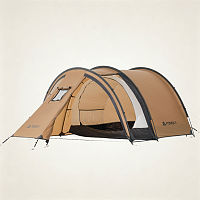
Leona Series
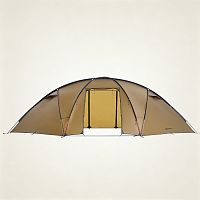
Barracuda Series
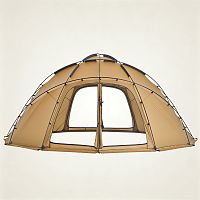
Roost Series
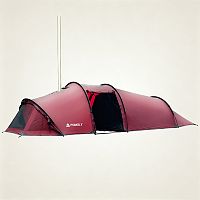
Openvista Series
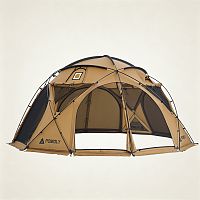
Sphere X Series
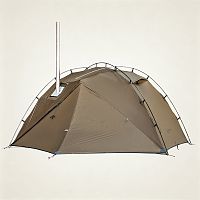
Dune Series
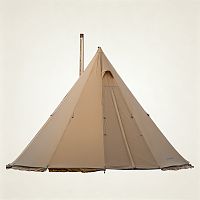
Circle Tent Series
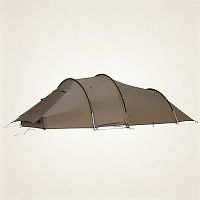
Locomotive Series
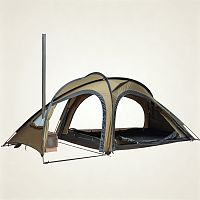
LEO Series
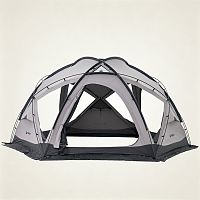
Dome X Series
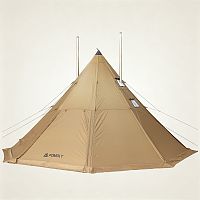
Bromance Series
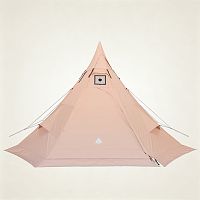
PEAK Series
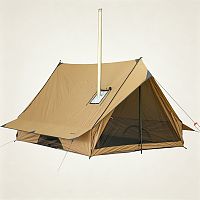
CHALET Series
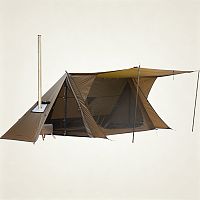
STOVEHUT Series
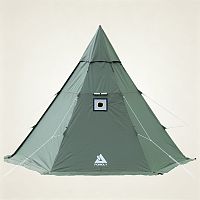
HEX Series
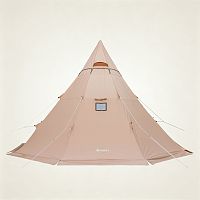
YARN Series
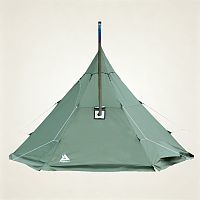
MANTA Series
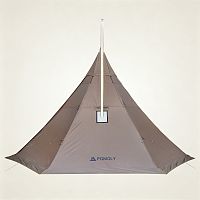
HUSSAR Series
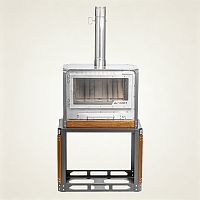
Druid Series
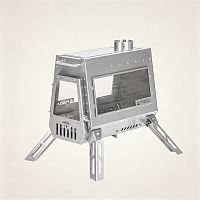
Dagger Series
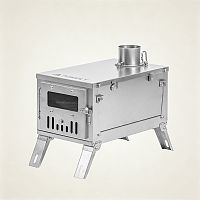
GT Series
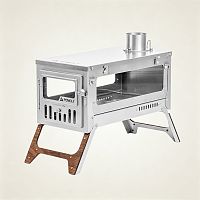
T1 3.0 Series
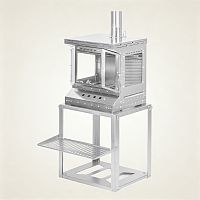
Reactor Series
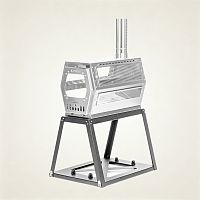
Hive Series
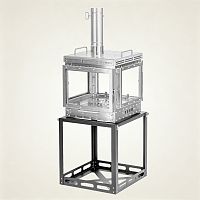
Cube Series
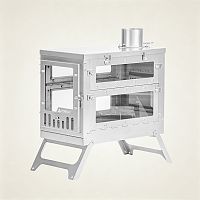
X-Ti Series
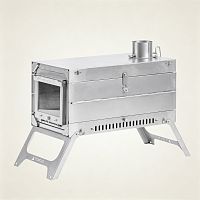
Fold X Series
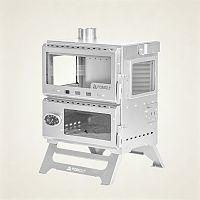
Baker Series
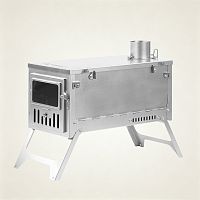
T1 2.0 Series
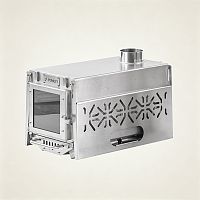
Oroqen 2.0 Series
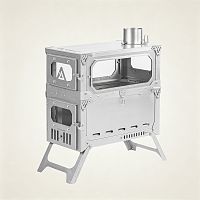
T-Brick 2.0 Series
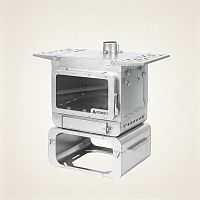
Lumberjack Series
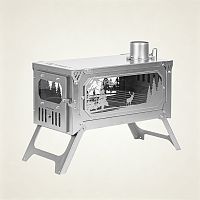
T-Brick Series
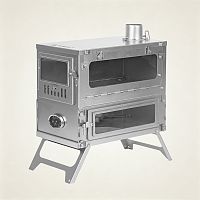
T1 1.0 Series
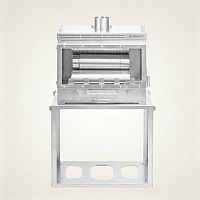
Dweller Ti Series
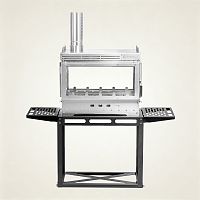
Dweller Series
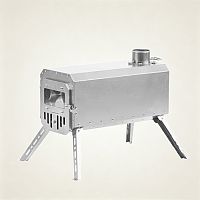
TRAVELLER Series
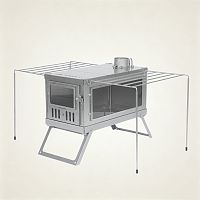
TIMBER Series


Leona Series
Barracuda Series
Roost Series
Openvista Series
Sphere X Series
Dune Series
Circle Tent Series
Locomotive Series
LEO Series
Dome X Series
Bromance Series
PEAK Series
CHALET Series
STOVEHUT Series
HEX Series
YARN Series
MANTA Series
HUSSAR Series
Druid Series
Dagger Series
GT Series
T1 3.0 Series
Reactor Series
Hive Series
Cube Series
X-Ti Series
Fold X Series
Baker Series
T1 2.0 Series
Oroqen 2.0 Series
T-Brick 2.0 Series
Lumberjack Series
T-Brick Series
T1 1.0 Series
Dweller Ti Series
Dweller Series
TRAVELLER Series
TIMBER Series
Cart
How should I maintain my 3-season backpacking tent?
What is a 3-season backpacking tent?
A 3-season backpacking tent is a lightweight and versatile shelter designed specifically for hikers and outdoor enthusiasts. It is suitable for use during spring, summer, and fall, hence the name \"3-season.\" These tents are typically engineered to withstand mild weather conditions, provide ventilation, and offer protection from elements like rain and wind.
Why choose a 3-season backpacking tent?
When planning a backpacking trip, having a reliable and functional tent is essential. Here's why a 3-season backpacking tent is a popular choice:
1. Versatility: These tents are designed to cater to multiple seasons, allowing users to enjoy camping in various weather conditions.
2. Lightweight: Most 3-season tents are constructed using lightweight materials like nylon and polyester, making them easy to carry on long hikes.
3. Ventilation: These tents often feature mesh panels and adjustable rainflys, which promote airflow and minimize condensation.
4. Easy setup: Backpacking tents are designed for quick and hassle-free assembly, allowing campers to spend less time on camp setup and more time exploring nature.
What features should I consider when choosing a 3-season backpacking tent?
Here are some important features to consider when selecting a 3-season backpacking tent:
1. Weight: Look for a lightweight tent that won't add unnecessary burden to your backpack.
2. Capacity: Determine how many people will be sleeping in the tent as well as the amount of gear you need to store.
3. Weather resistance: Ensure the tent is sturdy enough to withstand rain, wind, and provide protection during light snowfall.
4. Ventilation: Look for tents with large mesh panels for better air circulation.
5. Durability: Consider the quality of materials and the tent's overall construction to ensure it can withstand wear and tear.
6. Easy assembly: Opt for a tent that offers a quick and straightforward setup process.
How should I maintain my 3-season backpacking tent?
1. Cleaning: Before storing your tent, make sure it's clean and dry. Dust off any dirt or debris, gently scrub stains, and hang it in a well-ventilated area to dry completely.
2. Storage: Store your tent in a cool, dry place to prevent mildew or mold. Avoid storing it in a compressed state for long periods, as it may damage the fabric and coatings.
3. Repair: Regularly inspect your tent for any signs of damage or wear. Small tears or punctures can be easily repaired using a repair kit specifically designed for tent fabrics.
4. Avoid direct sunlight: Prolonged exposure to direct sunlight can weaken the tent's materials, so when camping, try to set up your tent in a shaded area if possible.
- Contact Us
-

Forge Your Outdoor Home!
At POMOLY,
we believe home is more than a place; it is a feeling you can create anywhere in the wild.
From shelter and fire to outdoor living, our gear helps you forge a basecamp, stay awhile, and make the wild feel like home.
- Company Info
- POMOLY Story
- About us
- Leave-No-Trace
- Facebook Group
- YouTube Videos
- Contact Info
- Topic Collections
- Policies & Terms
- Payment Policy
- Shipping Policy
- Return & Refund
- Privacy Policy
- Terms of Use
- Duty Policy
- Product Safety Notice
- Warranty Guidelines
- INTELLECTUAL PROPERTY RIGHTS
- User Center
- Forget Password
- My Orders
- Tracking Order
- My Account
- Register
Copyright © 2026 Pomoly All rights reserved. Sitemap
FREE SHIPPING | FULL REFUND | SAFE PAYMENT | EMAIL SUPPORT