


Cart
How to Use the Stove Jack of Hot Tent Correctly?
A hot tent’s stove jack is a great feature—but for those new to wood-burning setups, misusing it can risk burns, damage, or worse. Below are refined, field-tested guidelines to ensure proper installation and operation.
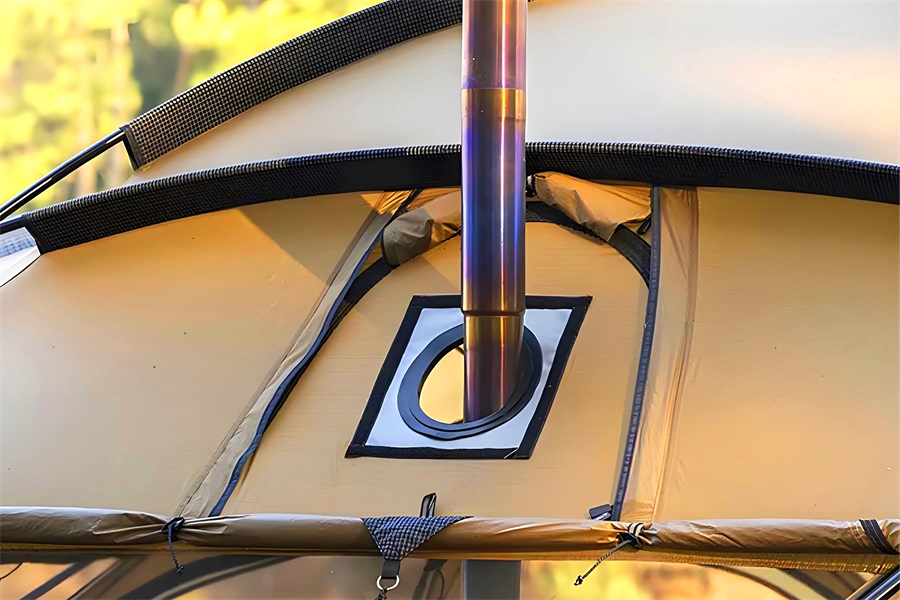
Step 1: Roll Up and Secure the Stove Jack Cover
Step 2: Center the Stovepipe Within the Stove Jack Opening
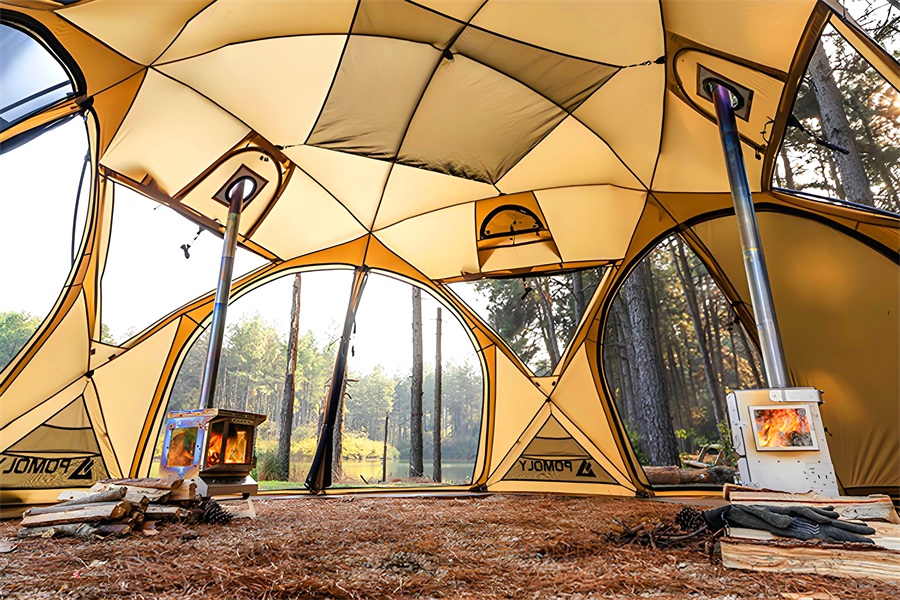
Step 3: Position the Stove in the Center of the Tent (If Possible)
To ensure even heat distribution and reduce contact risk, position your stove—hence the pipe—near the geometric center of the tent. This avoids overheating walls and extends the life of your stove jack.
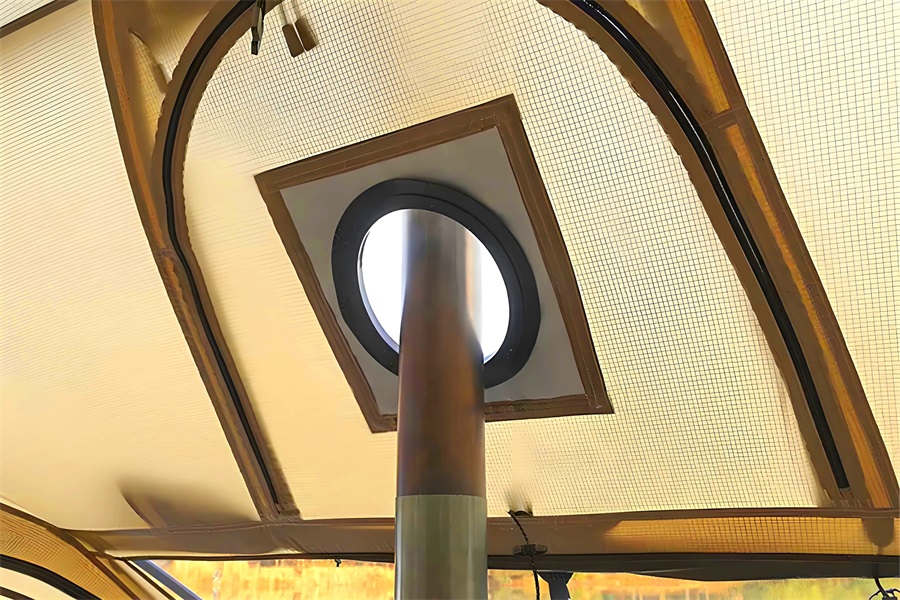
Step 4: Use Natural Barriers If Needed (A Judgment Call)
Step 5: Avoid Tent or Stove Movement
Step 6: Maintain Proper Airflow Through the Stove Jack
Keeping air flowing prevents the stovepipe from overheating both the fabric and the combustion system. Avoid crowding the jack area—air circulation helps moderate pipe temperature and supports efficient exhaust.
Safety Notes Every Camper Should Know
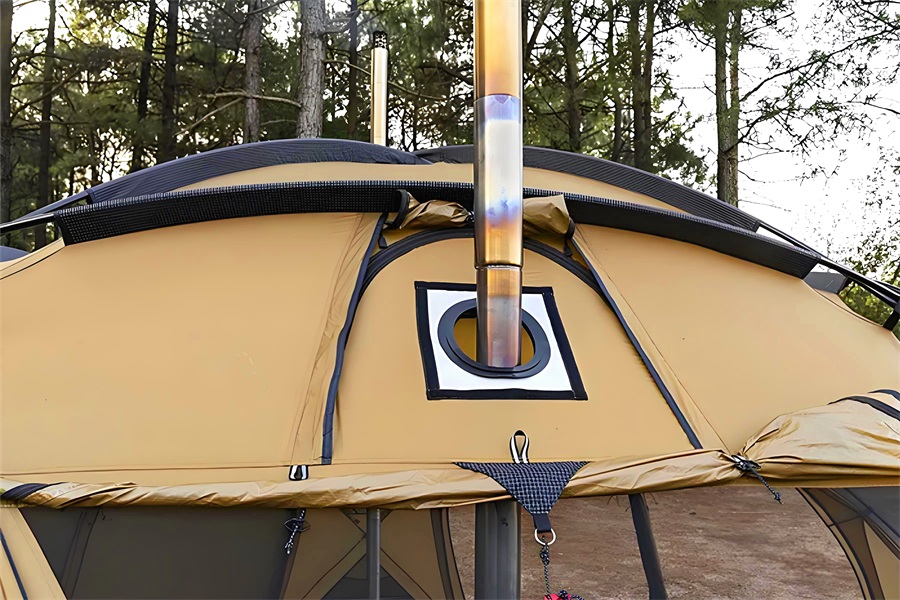
3.Stovepipes can reach extremely high temperatures—far hotter than expected. Never allow direct contact with tent materials.
Expert & Community Insights
- Proper placement matters most: We advises keeping the stove 3 ft (1 m) clear of walls to reduce fire hazards.
- Stove jack size is critical: Picking a jack that matches your stovepipe diameter eliminates gaps that could let in cold air—or let out hot air, smoke, or embers.
Summary: Best Practices for Stove Jack Use
- Roll and secure the jack cover well above the pipe.
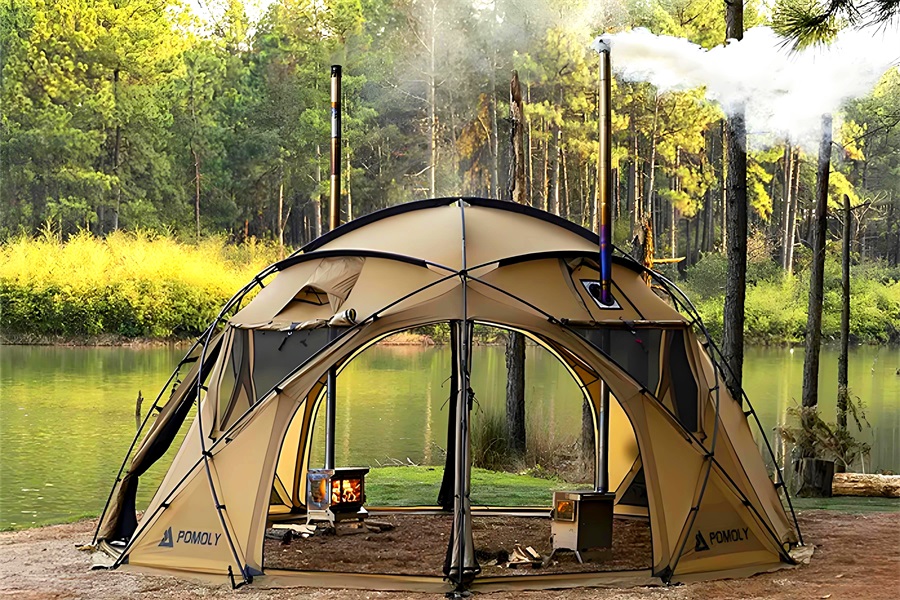
- Center the pipe in the jack and, ideally, the stove in your tent.
- Avoid fabric contact by maintaining correct clearance.
- Eliminate stove or tent movement.
- Keep the jack area well-ventilated.
- Use a properly sized, heat-safe stove jack.
- Remember: even fire-resistant components wear out—handle with care.
- Contact Us
-

Built for Outdoor Life!
At POMOLY, every product is designed with purpose and built for real outdoor use. From winter camping to remote backcountry adventures, our tents and stoves are made to perform in tough conditions.
Tested in the wild and trusted by hundreds of thousands of campers worldwide, POMOLY gear is built to keep you ready for every adventure.
Follow Page / Join GroupWorking Hours
Mon-Fri, 09:00 - 17:00

- Company Info
- About us
- Contact Form
- Pomoly Name
- Leave-No-Trace
- Facebook Group
- YouTube Videos
- Contact Info
- Topic Collections
- Policies & Terms
- Payment Policy
- Shipping Policy
- Return & Refund
- Privacy Policy
- Terms of Use
- Duty Policy
- Product Safety Notice
- Warranty Guidelines
- INTELLECTUAL PROPERTY RIGHTS
- User Center
- Forget Password
- My Orders
- Tracking Order
- My Account
- Register
- Popular Searches
-
Tipi Tents Dome Tents Camping Tent Hammock Stove Camping Camping Pellet Stove Circle 6 Titanium Water TankDome X Locomotive 20 LEO 2 camping tent T-Brick 2.0 T1 2.0 tent stove Dweller wood stove Oroqen 2.0 Chimney Water Tank Lumberjack STOVEHUT Bromance 70 Tipi Pomoly Coupon Baker Oven Stove Titanium elbow Fire Pits Tent Stove titanium Stove
Copyright © 2025 Pomoly All rights reserved. Sitemap
FREE SHIPPING | FULL REFUND | SAFE PAYMENT | EMAIL SUPPORT 粤ICP备2022065948号