Barracuda Series
Roost Series
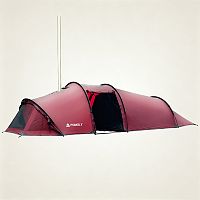
Openvista Series
Sphere X Series
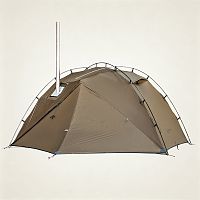
Dune Series
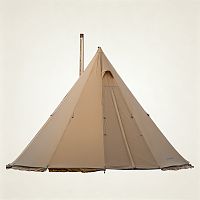
Circle Tent Series
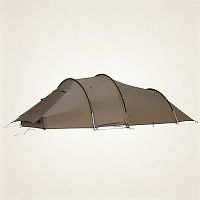
Locomotive Series
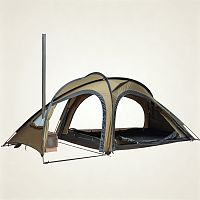
LEO Series
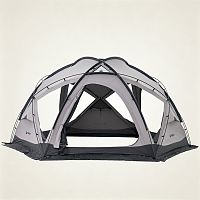
Dome X Series
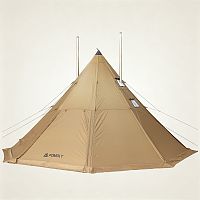
Bromance Series
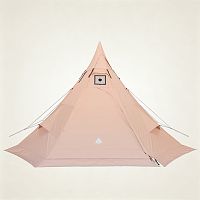
PEAK Series
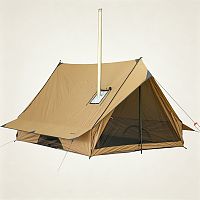
CHALET Series
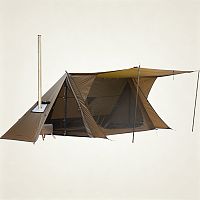
STOVEHUT Series
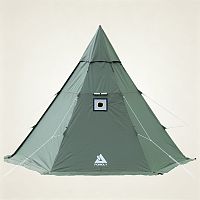
HEX Series
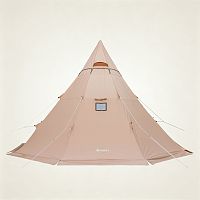
YARN Series
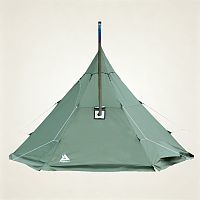
MANTA Series
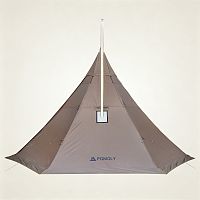
HUSSAR Series
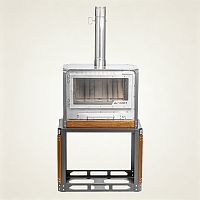
Druid Series
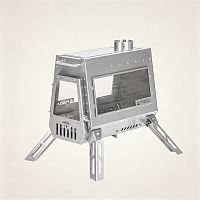
Dagger Series
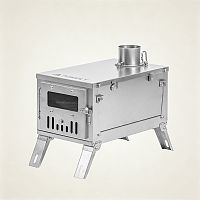
GT Series
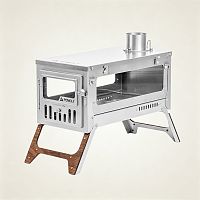
T1 3.0 Series
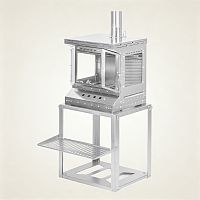
Reactor Series
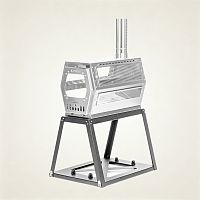
Hive Series
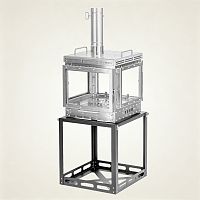
Cube Series
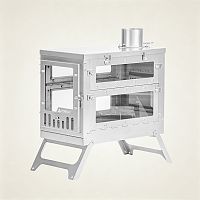
X-Ti Series
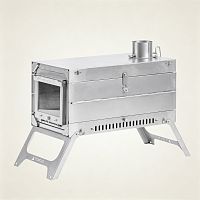
Fold X Series
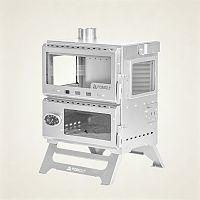
Baker Series
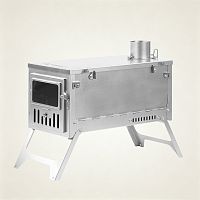
T1 2.0 Series
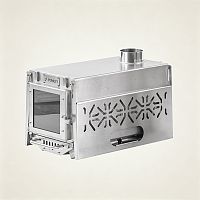
Oroqen 2.0 Series
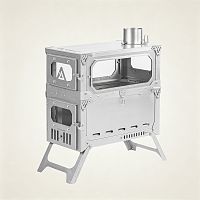
T-Brick 2.0 Series
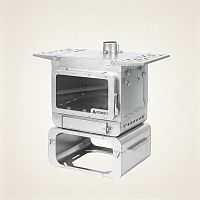
Lumberjack Series
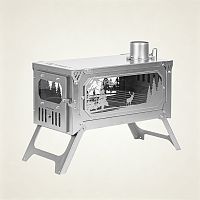
T-Brick Series
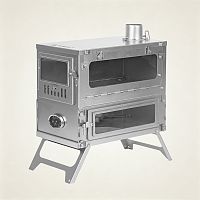
T1 1.0 Series
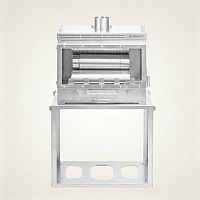
Dweller Ti Series
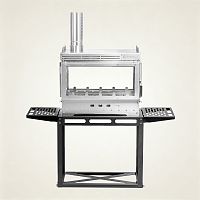
Dweller Series
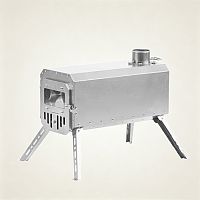
TRAVELLER Series
TIMBER Series


Barracuda Series
Roost Series
Openvista Series
Sphere X Series
Dune Series
Circle Tent Series
Locomotive Series
LEO Series
Dome X Series
Bromance Series
PEAK Series
CHALET Series
STOVEHUT Series
HEX Series
YARN Series
MANTA Series
HUSSAR Series
Druid Series
Dagger Series
GT Series
T1 3.0 Series
Reactor Series
Hive Series
Cube Series
X-Ti Series
Fold X Series
Baker Series
T1 2.0 Series
Oroqen 2.0 Series
T-Brick 2.0 Series
Lumberjack Series
T-Brick Series
T1 1.0 Series
Dweller Ti Series
Dweller Series
TRAVELLER Series
TIMBER Series
Cart

|


Openvista 2 TPU | Tunnel Hot Tent 2P | POMOLY New Arrival 2025
-
Detail
- Product Name: Openvista 2 TPU | Tunnel Hot Tent 2P | POMOLY New Arrival 2025
- Item NO.: PM0223
- Weight: 3.34 kg = 7.3634 lb = 117.8150 oz
- Category: Hot Tents > All Hot Tents > All
- Tag: 4 Season Tent for Sale Collection , Red Tent for Sale Collection , One Person Tent for Sale Collection , Portable Tent for Sale Collection , Heated Tent for Sale Collection , Tent with Stove Jack for Sale Collection , Best Waterproof Tent for Sale Collection , Tent with Porch for Sale Collection
- Brand: POMOLY
- Creation Time: 2024-11-30
01 — WHY CHOOSEWhat Makes It Different
01Tunnel Structure — Enhanced Wind StabilityThe low-profile tunnel design lowers the center of gravity, while its curved shape allows wind to flow over the tent for improved stability in windy conditions.02Livable Interior Layout — Everyday Camp ComfortSeparate areas for sleeping, moving, and relaxing make the interior more practical and comfortable for extended stays.03Large Mesh Windows — Better Airflow & ViewsWide mesh windows improve airflow and natural light while offering broad views of the surrounding campsite.04TPU Skylight — Natural Light & Sky ViewsThe transparent TPU skylight brightens the interior, offers views of the night sky, and helps monitor the stovepipe.0520D Ripstop Silnylon — Lightweight Weather ProtectionLightweight 20D ripstop silnylon with PU coating resists tearing and provides a 3,000 mm waterproof rating.06Pre-Set Ground Straps — Easier Tent SetupPre-set ground straps help maintain consistent tent dimensions, making pitching easier and creating a neat, well-shaped setup.07Concealed Stove Jack Design — A Cleaner LookZippered fabric covers conceal the stove jack openings when not in use, keeping the tent exterior neat and uncluttered. Unzip the covers for easy access when needed.08YKK Zippers & 7001 Aluminum Poles — Reliable HardwareYKK zippers provide smooth operation, while 7001 aluminum poles combine low weight with strength and flexibility. Aluminum stakes and purpose-built guy lines help secure the tent in changing outdoor conditions. 02 — PRODUCT OVERVIEW
Openvista 2 TPU Four-Season Tunnel Hot Tent


The Openvista 2 TPU is a four-season tunnel hot tent built for 1–2 campers and a wood stove. Its low-profile tunnel shape lets wind flow over the tent instead of pushing against it, and four high-strength 7-Series aluminum poles in two sizes keep the frame steady in wind and rain without adding unnecessary weight. Wide mesh windows and a transparent TPU skylight fill the interior with natural light, open up views of the campsite and night sky, and let you keep an eye on stovepipe performance and airflow. The removable inner tent, with both a fabric door and a mesh door, lets you shape the space around sleeping, moving, and relaxing, while aligned inner and outer vents plus front and rear ventilation help reduce condensation. The 20D ripstop silnylon outer carries a 3,000 mm waterproof rating with heat-taped seams, pre-set ground straps make pitching easier and keep the shape consistent, and zippered covers conceal the stove jack for a clean exterior when not in use. Dual doors can be pitched open with trekking poles to create a sheltered awning, expanding your living space, and YKK zippers with 7075 aluminum stakes round out the hardware.
At POMOLY, a hot tent is more than shelter — it's where Shelter. Fire. Living. meet. The Openvista 2 TPU keeps the night sky in view and the stove within reach. This is Outdoor Living: staying longer, living better, feeling at home in the wild.

 03 — SPECIFICATIONS
SPECS
Capacity Sleeps 1–2 persons with stove Stove Jack Heat-Resistant Snow Skirt No Doors 2 Doors Outer Tent Fabric 20D Ripstop Silnylon with PU Coating
3,000 mm Waterproof RatingWaterproof Construction Heat-Taped Seams Inner Tent Fabric 20D/40D Ripstop Silnylon with PU Coating
2,000 mm Waterproof RatingTent Poles 7001 Aluminum Alloy (8.5 mm) Outer Tent Weight 3.17 lb (1.44 kg) Inner Tent Weight 1.41 lb (0.64 kg) Tent Pole Weight 1.54 lb (0.7 kg) Tent Stakes Weight 0.88 lb (0.4 kg) Color Burgundy Red
04 — What's IncludedInside the Box
Openvista 2 TPU Outer Tent x 1Inner Tent x 1Tent Poles x 1 setTent Stakes x 1 setGuylines x 1 setStorage Bag x 1
05 — HOT TENT CARECare for Your POMOLY Hot Tent
01Storage & Packing- Before packing your tent, make sure it is completely dry and free of dirt, dust, sand, and other debris.
- Change the way you fold or roll your tent each time you pack it. Avoid repeatedly creating creases in the same places, which can help extend the life of the fabric.
- Store your tent in a cool, dry, and well-ventilated place. Avoid high-temperature environments such as a car trunk, as well as damp conditions that can lead to mildew, odors, and fabric or coating deterioration.
02Cleaning Your Tent- For routine cleaning, use warm water and a soft sponge to gently remove dirt and stains.
- Do not dry clean or machine-wash your tent. Do not use hot water, bleach, or regular household detergents.
- Avoid leaving the tent wet for extended periods or exposing it to prolonged direct sunlight, as both can affect the waterproof performance of the fabric.
Thorough Cleaning Steps:
- Place the tent or gear in clean, warm water.
- Gently agitate the fabric by hand to loosen dirt and stains.
- Replace the dirty water and repeat the process until the fabric is clean.
- Use a cleaner specifically designed for outdoor gear and gently clean the fabric with a sponge.
- Rinse thoroughly with clean water.
- Hang the tent or gear to air dry.
- Make sure it is completely dry before storing or using it again.
03Waterproofing & Seams- Factory Waterproofing: POMOLY tents are treated for waterproofing and seam protection during manufacturing and generally do not require additional liquid seam sealer. If you choose to apply a liquid waterproofing product for extra protection, make sure it is completely dry before packing the tent.
- Re-Waterproofing: The fabric's water-repellent finish may gradually wear down with use. If water no longer beads on the fabric and instead begins to soak into the surface, consider restoring the tent's water repellency. Choose a silicone- or PU-based waterproofing spray that is compatible with your tent fabric.
- Test Before Your Trip: Before heading out on your next camping trip, we recommend testing the tent's waterproof performance to make sure it is ready for wet conditions.
04Hardware & Component Care- Zippers: Keep zippers clean and remove dirt and dust regularly to reduce wear on the teeth, coils, and sliders. Paraffin wax or a dedicated zipper lubricant can help keep them running smoothly.
- Poles: Inspect the aluminum poles before and after each use. Replace any components that are bent, cracked, or damaged.
- Shock Cord: When packing the poles, collapse them section by section from the middle rather than always starting from one end. This helps distribute tension more evenly along the shock cord and can extend its service life.
- Pole Joints & Ferrules: Clean sand and grit from the pole joints before storage. Sand inside the metal ferrules and sleeves can act as an abrasive during assembly, accelerating wear and eventually causing the joints to loosen or crack. After camping in a saltwater environment, rinse the poles with fresh water to help prevent corrosion.
- Stakes: Clean and dry the stakes before storage. This helps prevent wet or muddy stakes from damaging the tent or other components.
- Guy Lines: Do not over-tighten the guy lines. Make sure they are clean and dry before packing.
05Common Repairs- Fabric & Mesh Tears: For small holes or tears in the tent fabric or mesh, use a suitable repair patch, such as Tenacious Tape, to help prevent the damage from spreading.
- Broken Poles: If a pole breaks during a trip, a pole repair splint combined with tape can provide a quick temporary repair and help keep the tent supported until the pole can be properly replaced.
06 — HOT TENT CAMPING GUIDEHot Tent Camping Tips & Safety Guide
01Choose the Right CampsiteChoosing the right campsite is the first step to a comfortable and safe hot tent setup.
- Choose a flat, firm, and well-drained surface whenever possible. Avoid low-lying areas where water may collect.
- Keep your tent and stove away from dead trees, dry branches, piles of grass, and other easily ignited materials to reduce the risk of fire from stray sparks.
- Avoid excessively loose, soft, or dry ground. Soft soil may not hold tent stakes securely, while extremely dry vegetation and ground cover can be more vulnerable to sparks.
- Clear away dry branches, leaves, and other flammable debris around the tent before setting up, and leave adequate space around the stove.
- Before setting up, check the surrounding area to make sure the tent, chimney, and guy lines will not interfere with other campers or passageways.
02Secure the Tent & StoveBoth the tent and stove should be stable and securely positioned, especially in windy conditions.
- Use appropriate stakes and guy lines to secure the tent and reduce movement caused by wind.
- Place the stove on a stable, level surface and make sure all stove legs are fully deployed and firmly supported.
- Do not rely on the tent structure to secure the stove. When necessary, use an appropriate method to stabilize the stove based on the campsite conditions.
- If using a spark arrestor, make sure it is securely installed and used according to the product instructions.
- Keep the top of the chimney sufficiently elevated to promote proper exhaust and reduce the risk of sparks falling back toward the tent or contacting the fabric.
- After setup, check the clearances between the tent, stove, chimney, guy lines, and surrounding materials.
03Keep the Stove Pipe Centered in the Stove JackThe stove jack is one of the areas that requires particular attention when using a wood stove in a hot tent.
- Keep the stove pipe as centered as possible within the stove jack and avoid prolonged direct contact between the hot pipe and the tent fabric.
- The stove jack material is designed to withstand high temperatures, but it should not be exposed to prolonged direct contact with a hot stove pipe.
- Extended exposure to high temperatures can cause the stove jack fabric to char, deteriorate, or become damaged.
- Keep the stove pipe away from the stitching around the stove jack. Thread can be less heat-resistant than the surrounding fire-resistant fabric and may deteriorate if exposed to the hot pipe for extended periods.
- If using an insulating wrap or sleeve, make sure it is rated for the temperatures involved and installed according to the manufacturer's instructions.
04Manage the Stove Safely While BurningKeep the Area Around the Stove Clear
- Keep clothing, sleeping bags, blankets, and other heat-sensitive or flammable items away from the stove.
- Maintain adequate clearance between the stove, tent walls, sleeping areas, and other combustible materials.
- Do not leave gear or other objects close to the stove body or chimney where prolonged heat exposure could cause damage.
Reduce the Risk of Sparks
- Avoid frequently stirring or moving burning firewood, as doing so can cause more sparks to escape from the stove.
- A properly installed spark arrestor at the top of the chimney can help reduce the number of sparks exiting the chimney.
- Inspect the spark arrestor regularly for ash buildup or blockage and clean it according to the product instructions.
Protect Yourself and the Tent Fabric
- A high-temperature insulating wrap or sleeve can be used around the stove pipe near the stove jack to help reduce heat transfer to the tent fabric.
- For lower sections of the stove pipe, suitable high-temperature insulation can help reduce the risk of accidental contact with the hot pipe.
- A fire-resistant or heat-resistant mat designed for wood stoves can be placed beneath the stove to help reduce heat exposure to the tent floor and the ground.
- A suitable stove mat can also help catch small amounts of ash or sparks and reduce the risk of accidental damage.
Do Not Leave a Burning Stove Unattended
- Keep someone nearby to monitor the stove whenever it is burning.
- Do not leave a burning wood stove unattended for extended periods.
- Before leaving the tent, properly manage the fire and remaining embers according to the stove manufacturer's instructions.
Watch for Smoke and Proper Draft
- Watch for persistent smoke escaping from the stove, stove pipe connections, or other joints.
- A small amount of smoke during startup may occur while the fire is getting established and can also be affected by the stove door or damper position.
- If smoke continues to escape from the stove body, door, or pipe connections, stop using the stove and inspect the stove, pipe connections, damper setting, and chimney configuration.
- Chimney height, nearby structures or trees, and wind conditions can all affect draft. Adjust the chimney configuration according to the stove manufacturer's instructions rather than continuing to use a stove with persistent smoke leakage.
Use the Correct Fuel
- Do not burn fuels that are not intended for the stove, including coal or other high-heat fuels.
- Unsuitable fuels can produce excessive temperatures and may cause severe deformation or damage to the stove body, stove pipe, or other components.
- Always use fuel appropriate for the stove's intended design and follow the manufacturer's instructions.
Keep the Stove Glass Clean
- If black soot begins to build up on the stove glass during burning, increasing the fire temperature appropriately can help burn off some of the deposits.
- If the glass quickly becomes black again, check the moisture content of the firewood, combustion conditions, and airflow rather than relying solely on a hotter fire.
05Choose the Right FirewoodThe quality of your firewood directly affects combustion, smoke production, and creosote buildup.
- Use properly seasoned, well-dried firewood whenever possible.
- Wet firewood can lead to incomplete combustion, producing more smoke and increasing creosote buildup.
- Avoid wood with excessive resin or oil content, as well as chemically treated or painted wood.
- Inspect and clean the stove pipe regularly, especially during frequent use or extended low-temperature burning.
- If using a POMOLY inverted stove pipe system, install and use it according to its intended design to help reduce the flow of condensate and creosote back toward the stove.
- If your firewood is not fully dry, it can be pre-warmed or dried at a safe distance from the stove. Do not place firewood directly against the stove body or chimney, and never stack firewood near hot components.
06Prepare for Extra Warmth at NightA wood stove generally is not designed to provide continuous heat throughout the entire night.
- Do not rely on the remaining firewood in the stove to provide heat throughout the night.
- For winter camping, prepare an appropriate sleeping bag, sleeping pad, insulated clothing, and other cold-weather sleep systems in advance.
- Consider the forecast and expected overnight temperature when preparing your sleep system.
- Do not leave a burning stove unattended simply to maintain warmth while you sleep.
07Take Extra Care in Freezing Conditions- Before packing up, check your gear for ice buildup. If a snow skirt, pole joint, zipper, or other component is frozen in place, do not force it apart.
- Use warm water to help thaw frozen components when appropriate, but avoid using direct high heat or an open flame to thaw tent fabric, zippers, or other components.
- Materials can become more brittle in very cold conditions. Avoid using excessive force to bend, strike, or disassemble frozen components.
- Remove snow and ice from your gear before packing and allow the equipment to dry thoroughly whenever conditions permit.
08Keep Children Away from the StoveIf you are hot tent camping with children, clearly define the stove area and establish safety rules before using the stove.
- Children should always stay away from the burning stove, chimney, and other hot components.
- Do not allow children to touch the stove body, stove pipe, door, or other hot surfaces.
- Keep the area around the stove clear and prevent children from playing or moving around near the stove.
- A fire-resistant mat with reflective safety markings can make the stove area more visible and help children recognize the area they need to avoid.
- Even after the fire has gone out, the stove and chimney may remain hot. Allow them to cool completely before handling.
09Use a Carbon Monoxide Alarm & Maintain VentilationCarbon monoxide (CO) is one of the most important safety concerns when using a wood stove inside a hot tent.
Incomplete combustion of firewood can produce carbon monoxide. CO is colorless and odorless, so it cannot be detected reliably by human senses.
- When using a wood stove inside an enclosed or partially enclosed space, keep a reliable carbon monoxide alarm in the tent and use it according to the alarm manufacturer's instructions.
- Keep appropriate tent vents open while the stove is burning to allow a continuous supply of fresh air.
- Do not close all ventilation openings simply to retain heat.
- Maintain adequate airflow even while sleeping at night, and make sure the carbon monoxide alarm remains operational.
- If the carbon monoxide alarm sounds, or anyone experiences symptoms such as headache, dizziness, nausea, or unusual weakness that may be associated with carbon monoxide exposure, immediately stop using the stove and leave the tent for fresh air. Follow local emergency guidance and seek medical assistance as appropriate.
—Hot tent camping is about more than staying warm. Safe and comfortable nights outdoors depend on using your stove correctly, maintaining proper ventilation, and staying prepared for changing conditions. Inspect your gear before the trip, check your setup after pitching, monitor the stove while it is burning, and prepare carefully for cold weather and overnight use.

You May Also Like
-

-

-

-
 Openvista 2 | Camping Tunnel Tent 2P | POMOLY N...US$ 206.10 US$ 229.00
-

-

-

-

Recently Viewed


- Contact Us
-

Forge Your Outdoor Home!
At POMOLY,
we believe home is more than a place; it is a feeling you can create anywhere in the wild.
From shelter and fire to outdoor living, our gear helps you forge a basecamp, stay awhile, and make the wild feel like home.
- Company Info
- POMOLY Story
- About us
- Contact Form
- Leave-No-Trace
- Facebook Group
- YouTube Videos
- Contact Info
- Topic Collections
- Policies & Terms
- Payment Policy
- Shipping Policy
- Return & Refund
- Privacy Policy
- Terms of Use
- Duty Policy
- Product Safety Notice
- Warranty Guidelines
- INTELLECTUAL PROPERTY RIGHTS
- User Center
- Forget Password
- My Orders
- Tracking Order
- My Account
- Register
- Popular Searches
-
Tipi Tents Dome Tents Camping Tent Hammock Stove Camping Camping Pellet Stove Circle 6 Titanium Water TankDome X Locomotive 20 LEO 2 camping tent T-Brick 2.0 T1 2.0 tent stove Dweller wood stove Oroqen 2.0 Chimney Water Tank Lumberjack STOVEHUT Bromance 70 Tipi Pomoly Coupon Baker Oven Stove Titanium elbow Fire Pits Tent Stove titanium Stove
Copyright © 2026 Pomoly All rights reserved. Sitemap
FREE SHIPPING | FULL REFUND | SAFE PAYMENT | EMAIL SUPPORT




Customer Reviews
2025-11-22
2024-01-08