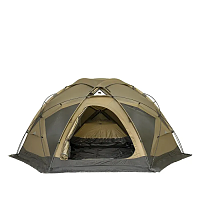
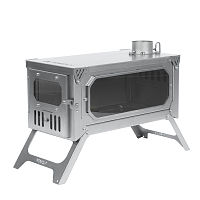
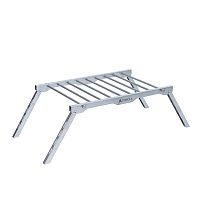
Tent camping is a popular and accessible way to experience the great outdoors. It offers a sense of adventure, freedom, and connection with nature that many people seek. Whether you're a beginner or a seasoned camper, this comprehensive guide will provide you with valuable insights on pitching a tent, essential camping tips, and more. By following these guidelines, you'll be well-equipped to embark on a memorable tent camping journey.
I. Choosing the Right Tent:
Selecting the right tent is crucial for a comfortable camping experience. Consider these factors when choosing your tent:
1. Tent Size: Determine the number of people who will be sleeping in the tent and choose an appropriate size accordingly. Keep in mind that a tent's capacity is typically based on the number of people without accounting for extra gear.
2. Seasonality: Consider the seasons in which you'll be camping. Three-season tents are suitable for spring, summer, and fall, while four-season tents are designed to withstand winter conditions.
3. Tent Design: Choose between freestanding and non-freestanding tents. Freestanding tents are easier to set up and can be moved after pitching. Non-freestanding tents require stakes for stability but are often lighter.
4. Weather Resistance: Look for tents with a high waterproof rating and durable materials. Features like a rainfly and sealed seams help keep you dry during rain or snowfall.
II. Pitching Your Tent:
Pitching a tent can be a fun and rewarding experience. Follow these steps for a successful tent setup:
1. Find a Suitable Spot: Look for a level, cleared area free of rocks, roots, or sharp objects. Consider the direction of the wind, access to sunlight, and proximity to water sources.
2. Clear the Area: Remove any debris, sticks, or rocks from the ground where the tent will be placed. This helps prevent discomfort and potential damage to your tent.
3. Lay Out the Tent: Unroll the tent and orient it according to the instructions or your desired layout. Make sure the door is facing the desired direction.
4. Assemble the Poles: Connect and insert the tent poles through the designated sleeves or clips. Follow the instructions specific to your tent model.
5. Raise the Tent: Lift the tent by the poles and gently shake it to help it settle into place. Secure the poles to the tent body, ensuring a taut and stable structure.
6. Stake the Tent: Insert stakes through the designated loops or grommets at the tent's corners and along the sides. Angle the stakes away from the tent and ensure a firm grip in the ground.
7. Attach the Rainfly: If your tent comes with a rainfly, secure it over the tent for added protection against rain and wind. Use the provided hooks or clips to attach it securely.
At POMOLY Find the Best Camping Gear for You
III. Essential Camping Tips:
To enhance your tent camping experience, consider the following tips:
1. Campsite Preparation: Before pitching your tent, remove rocks, pinecones, or any sharp objects from the ground. Check for potential hazards like overhanging branches or ant nests.
2. Campfire Safety: If campfires are allowed, choose a designated fire pit or create a safe fire area. Keep it a safe distance from your tent, never leave it unattended, and fully extinguish it before leaving.
3. Gear Organization: Keep your tent organized by using storage pockets or hanging gear lofts inside. This helps maximize space and keeps essential items easily accessible.
4. Sleeping Comfort: Use a sleeping pad or air mattress to insulate yourself from the ground. Pair it with a comfortable sleeping bag suitable for the expected temperature range.
5. Insect Protection: Bring insect repellent to ward off mosquitoes and other bugs. Consider packing a mosquito net for added protection, especially in areas prone to insect activity.
6. Leave No Trace: Practice Leave No Trace principles by packing out all trash, minimizing your impact on the environment, and respecting wildlife and natural habitats.
IV. Safety Considerations:
Prioritize safety during your tent camping adventure with these essential precautions:
1. Weather Awareness: Stay informed about the weather forecast and be prepared for changing conditions. Pack appropriate clothing and gear for various weather scenarios.
2. First Aid Kit: Carry a well-stocked first aid kit that includes essentials like bandages, antiseptic ointment, pain relievers, and any personal medications.
3. Emergency Communication: Ensure you have a reliable means of communication, such as a fully charged cell phone or a two-way radio, to reach help if needed.
4. Wildlife Safety: Research the local wildlife and understand how to safely coexist. Store food and scented items securely to prevent attracting unwanted wildlife encounters.
Conclusion:
Tent camping offers an immersive and rewarding outdoor experience. By selecting the right tent, mastering the art of pitching, and following essential camping tips, you'll set the stage for a successful adventure. Remember to prioritize safety, respect the environment, and embracethe wonders of nature. With each camping trip, you'll gain valuable experience and create cherished memories that will last a lifetime. So grab your tent, pack your gear, and embark on an unforgettable tent camping journey!