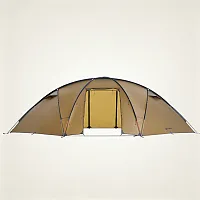
Barracuda Series
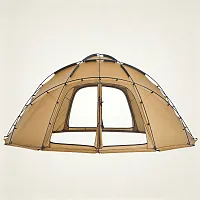
Roost Series
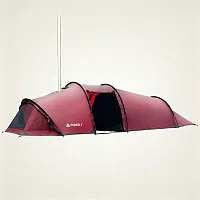
Openvista Series
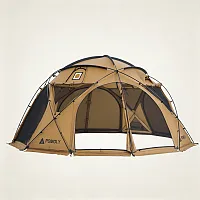
Sphere X Series
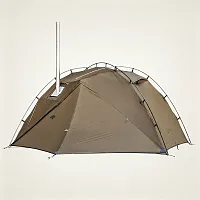
Dune Series

Circle Tent Series
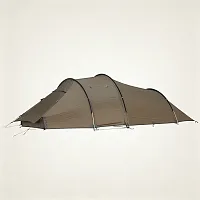
Locomotive Series
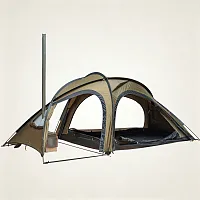
LEO Series
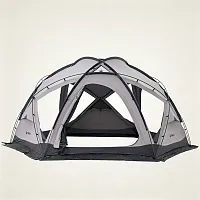
Dome X Series
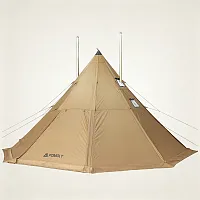
Bromance Series
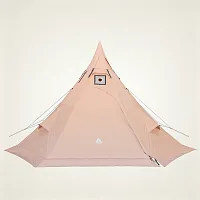
PEAK Series
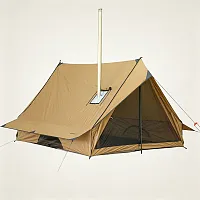
CHALET Series
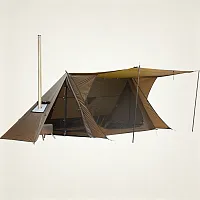
STOVEHUT Series
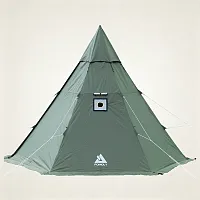
HEX Series
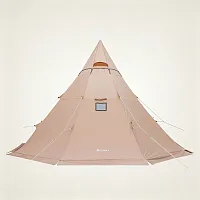
YARN Series

MANTA Series
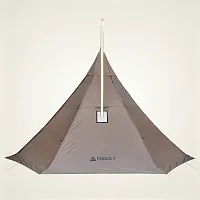
HUSSAR Series
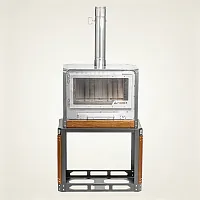
Druid Series

Dagger Series
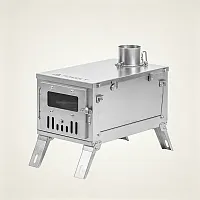
GT Series
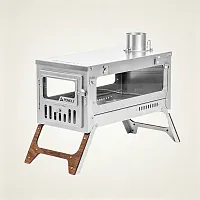
T1 3.0 Series

Reactor Series
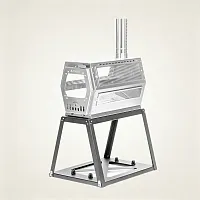
Hive Series
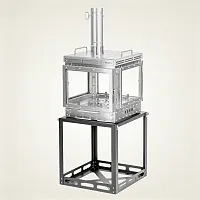
Cube Series
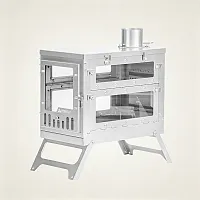
X-Ti Series
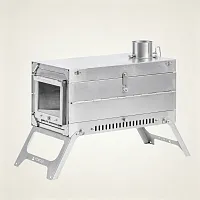
Fold X Series
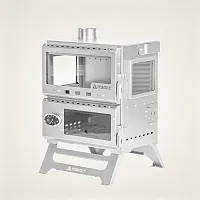
Baker Series

T1 2.0 Series
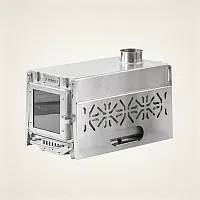
Oroqen 2.0 Series

T-Brick 2.0 Series
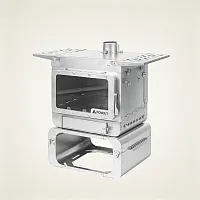
Lumberjack Series
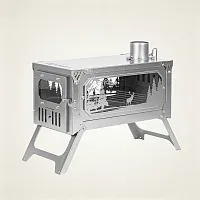
T-Brick Series
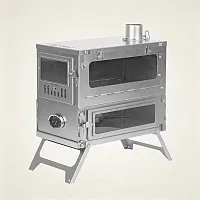
T1 1.0 Series

Dweller Ti Series

Dweller Series

TRAVELLER Series
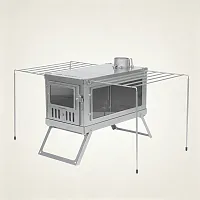
TIMBER Series


Barracuda Series
Roost Series
Openvista Series
Sphere X Series
Dune Series
Circle Tent Series
Locomotive Series
LEO Series
Dome X Series
Bromance Series
PEAK Series
CHALET Series
STOVEHUT Series
HEX Series
YARN Series
MANTA Series
HUSSAR Series
Druid Series
Dagger Series
GT Series
T1 3.0 Series
Reactor Series
Hive Series
Cube Series
X-Ti Series
Fold X Series
Baker Series
T1 2.0 Series
Oroqen 2.0 Series
T-Brick 2.0 Series
Lumberjack Series
T-Brick Series
T1 1.0 Series
Dweller Ti Series
Dweller Series
TRAVELLER Series
TIMBER Series
Cart
Tent Care Basics

Your outdoor tent demands far less care than a city home, yet proper attention ensures years of reliable use. A well-maintained tent will serve you faithfully through countless adventures.
While this guide covers comprehensive tent care, prioritize these four essential rules above all:
-
Follow manufacturer instructions - Always consult the manual first
-
Handle with care - Treat zippers and poles gently
-
Regular cleaning - Wash tent and rainfly periodically
-
Dry completely - Never pack away a damp tent
Tent Care During Setup

Before your trip, practice pitching your tent at home. Master the setup process and verify you have all stakes, guylines and accessories.
Follow these field practices to protect your investment:
- Choose an established campsite. This Leave No Trace approach leads you to level, vegetation-free spots. Just clear away pine cones, twigs and small rocks that might puncture your floor - nothing more.
- Always use a footprint. This custom-sized groundsheet shields your tent floor from wear and keeps it clean during pack-up. Unlike generic tarps, a proper footprint won't collect rainwater since it doesn't extend beyond your tent's perimeter. If using a regular tarp, tuck excess material underneath.
- Limit sun exposure. UV rays deteriorate canopy and fly fabrics over time. While polyester flies resist UV better than nylon, it's best to move your entire tent out of sunlight during long absences. For short periods, leaving the (more UV-resistant) fly on is acceptable.
- Handle poles carefully. Never force shockcorded sections together - you might damage the pole or a companion. Instead, methodically connect each section for smooth, safe setup.
Tent Care During Use

- Handle zippers carefully. If a zipper gets stuck, don't force it. Hold the zipper track steady and gently work the slider backward while wiggling it side to side to free any caught fabric. If the zipper separates, reverse it until the teeth realign. For persistent issues, use pliers to slightly tighten the slider—but be careful not to over-tighten and make it worse.
- Keep boots outside or in the vestibule. Dirt, gravel, and debris can wear down or puncture your tent floor.
- Store food and scented items in sealed containers outside the tent. Animals may chew through fabric to get to them.
- Never leave a dog unattended in your tent. Even well-behaved pets can accidentally damage the material with claws or teeth when trying to get out.
Tent Care During Break Down

- Shake out your tent thoroughly before packing. Remove all dirt, debris and trash. Freestanding tents make this easier since the poles help keep the tent open while you empty it.
- When removing shockcorded poles from your tent, always push rather than pull. Pulling can cause pole ends or sections to get stuck, putting unnecessary stress on the elastic cord.
- Start breaking down poles from the middle. This evenly distributes tension along the cord. Continue this method with each subsequent half section until the pole is completely folded.
- Always dry your tent before stuffing it into its sack. Even well-ventilated tents collect condensation, particularly under the floor and rainfly. Since moisture damages tents (see below), dry it as much as possible before packing up each morning. You can drape the tent and fly over a branch, bush or boulder - just be careful not to snag or puncture the fabric.
- If you must pack up a wet tent, dry it immediately when you return. On sunny days, set it up outside. In wet weather, hang it to dry in a garage or uncarpeted room.
- The rolling versus stuffing debate has no clear winner. Stuffing advocates claim it prevents repeated creasing that weakens materials at fold lines. Folding proponents argue it's less stressful than the stuffing process itself. Quality tent materials should be durable enough for either method.
Tent Care at Home

- After trips and cleanings, thoroughly air-dry your tent. There's no maximum drying time. Set it up indoors or in shaded outdoor areas. If space is limited, hang or drape it until completely dry.
- Ensure your tent is 100% dry before storage - this is the most crucial rule. Moisture causes mildew (resulting in odors) and damages polyurethane waterproof coatings. Over time, dampness chemically degrades these coatings. A neglected tent that becomes sticky, flaky or smelly may require major restoration or replacement.
- Store your tent loosely in a cool, dry location. While convenient for backpacking, the stuff sack is unsuitable for long-term storage. Fabrics need to relax and breathe - an old pillowcase or mesh bag works best.
How to Clean Your Tent

Always clean your tent after extended camping trips, particularly if it's been exposed to sand, fine dust, bird droppings or tree sap. For those who take frequent short trips, a gentle seasonal cleaning is recommended.
Never clean your tent in a washing machine or dryer. The agitator in top-loading machines can stretch and tear tent fabrics, mesh panels and seams. The heat from dryers can also cause significant damage.
For proper cleaning:
Avoid all household cleaners including strong dish soaps, bleach, spot removers and laundry presoaks. Most contain perfumes that attract insects and animals, and they can degrade your tent's durable water repellent (DWR) coating.
Waterproofing Tent Seams and Coatings

Re-waterproofing your tent or rainfly can significantly extend its lifespan. Most sealing products require a full 24 hours to cure, so prepare a clean, debris-free area where you can lay out the tent to dry completely.
For leaky seams:
When the waterproof coating deteriorates:
Important product selection:
- Contact Us
-

Forge Your Outdoor Home!
At POMOLY,
we believe home is more than a place; it is a feeling you can create anywhere in the wild.
From shelter and fire to outdoor living, our gear helps you forge a basecamp, stay awhile, and make the wild feel like home.
- Company Info
- POMOLY Story
- About us
- Contact Form
- Leave-No-Trace
- Facebook Group
- YouTube Videos
- Contact Info
- Topic Collections
- Policies & Terms
- Payment Policy
- Shipping Policy
- Return & Refund
- Privacy Policy
- Terms of Use
- Duty Policy
- Product Safety Notice
- Warranty Guidelines
- INTELLECTUAL PROPERTY RIGHTS
- User Center
- Forget Password
- My Orders
- Tracking Order
- My Account
- Register
Copyright © 2026 Pomoly All rights reserved. Sitemap
FREE SHIPPING | FULL REFUND | SAFE PAYMENT | EMAIL SUPPORT