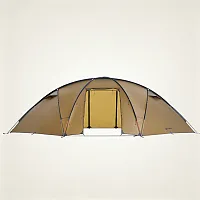
Barracuda Series
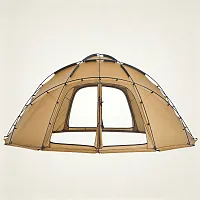
Roost Series
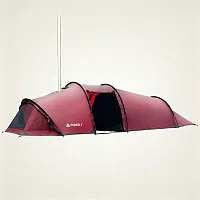
Openvista Series
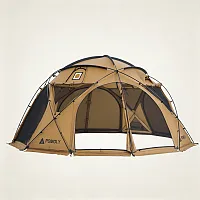
Sphere X Series
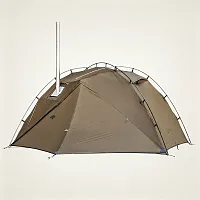
Dune Series
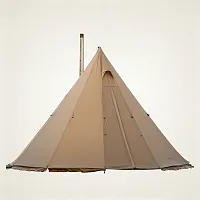
Circle Tent Series
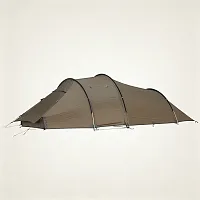
Locomotive Series
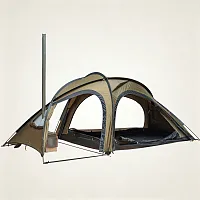
LEO Series
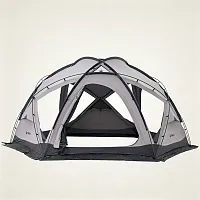
Dome X Series
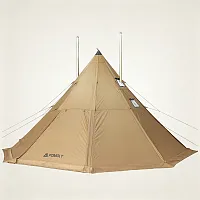
Bromance Series
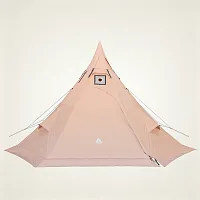
PEAK Series
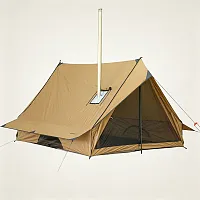
CHALET Series
STOVEHUT Series
HEX Series
YARN Series

MANTA Series
HUSSAR Series
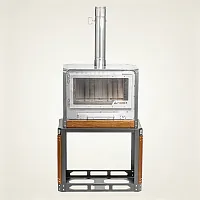
Druid Series
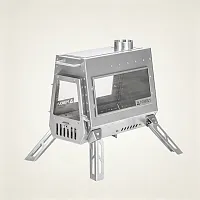
Dagger Series
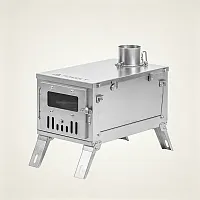
GT Series
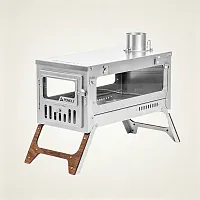
T1 3.0 Series
Reactor Series
Hive Series
Cube Series
X-Ti Series
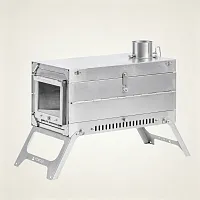
Fold X Series
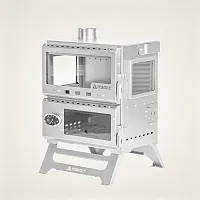
Baker Series

T1 2.0 Series
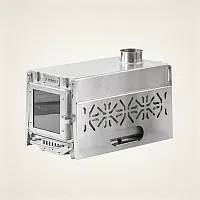
Oroqen 2.0 Series

T-Brick 2.0 Series
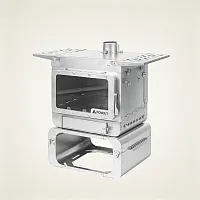
Lumberjack Series
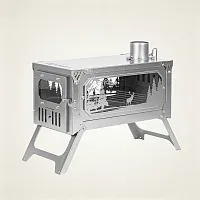
T-Brick Series
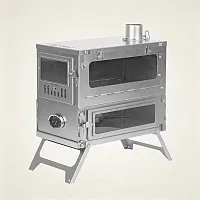
T1 1.0 Series
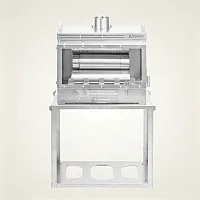
Dweller Ti Series
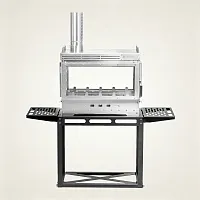
Dweller Series

TRAVELLER Series
TIMBER Series


Barracuda Series
Roost Series
Openvista Series
Sphere X Series
Dune Series
Circle Tent Series
Locomotive Series
LEO Series
Dome X Series
Bromance Series
PEAK Series
CHALET Series
STOVEHUT Series
HEX Series
YARN Series
MANTA Series
HUSSAR Series
Druid Series
Dagger Series
GT Series
T1 3.0 Series
Reactor Series
Hive Series
Cube Series
X-Ti Series
Fold X Series
Baker Series
T1 2.0 Series
Oroqen 2.0 Series
T-Brick 2.0 Series
Lumberjack Series
T-Brick Series
T1 1.0 Series
Dweller Ti Series
Dweller Series
TRAVELLER Series
TIMBER Series
Cart
What is Fishing Basecamp? Guide for Beginners
What is Fishing Basecamp? Guide for Beginners
Fishing Basecamp is a temporary outdoor camp established near a fishing destination to provide a comfortable, organized home base for anglers during a multi-day fishing trip. Instead of traveling back and forth to a hotel or packing up camp every time you move around the area, a fishing basecamp gives you a place to sleep, cook, store equipment, clean up, rest, and prepare for the next day while staying close to the water.
In simple terms, a Fishing Basecamp is a campsite built around the needs of fishing. It combines a suitable shelter with sleeping space, cooking equipment, fishing gear storage, food and water, lighting, and other practical supplies. The goal is not simply to spend a night outdoors, but to create a comfortable place where anglers can stay for several days and make the most of their time on the water.
What Does Fishing Basecamp Mean?
The idea of a basecamp is simple: establish one reliable location and use it as a starting point for activities in the surrounding area. For anglers, that might mean setting up camp beside a lake, river, reservoir, or other permitted fishing area and using the campsite as a place to return to throughout the trip.
A Fishing Basecamp can be as simple as a tent, sleeping system, cooler, and cooking setup. It can also become a much more developed outdoor living space with a larger shelter, camp furniture, dedicated gear storage, and additional comforts for longer stays. There is no single tent or piece of equipment that defines a Fishing Basecamp. What defines it is the way the campsite supports fishing and extended outdoor living.
This makes Fishing Basecamp different from simply going fishing for the day. A day trip is centered around the fishing session itself, while a basecamp gives you a comfortable place to live between fishing sessions.
Why Set Up a Fishing Basecamp?
Fishing often rewards patience. Depending on the location and species, the best opportunities may come early in the morning, late in the evening, or after spending several days learning the water. A basecamp makes it much easier to stay close to the action without sacrificing basic comfort.
Instead of driving home after every fishing session, you can wake up near the water, make breakfast, fish for several hours, return to camp for lunch, and head back out later. That slower rhythm is one of the biggest advantages of building a fishing basecamp.
A well-planned setup can also make fishing equipment easier to manage. Rods, tackle boxes, waders, boots, coolers, clothing, and other gear can quickly turn a campsite into a mess if everything is thrown into one pile. A dedicated basecamp gives each category of equipment a place.
What Makes a Good Fishing Basecamp?
A good Fishing Basecamp does not need to look like a permanent campground. It simply needs to work well for the people using it and the environment where it is located.
1. A Suitable Location
Location is probably the most important decision. Ideally, your campsite should be close enough to the fishing area to make access convenient without putting the shelter in an unsafe or environmentally sensitive location.
Before setting up, consider local camping and fishing regulations, private property boundaries, water levels, drainage, wind exposure, wildlife activity, and the possibility of changing weather. Being close to the water is useful, but the closest possible spot is not always the best campsite.
2. Enough Shelter Space
Fishing trips often involve more equipment than ordinary camping. Rods, reels, tackle, boots, wet clothing, coolers, food, and other supplies all need somewhere to go. A shelter that is large enough for sleeping but leaves no room for anything else can become frustrating after a few days.
For anglers camping with friends or family, a Family Tent can provide more usable space for sleeping and organizing equipment. Larger groups may also benefit from a large camping tent where the extra floor area can be used as a shared living space.
3. A Practical Gear Organization System
Good organization can save more time than buying additional equipment. Keep fishing tackle together, separate clean clothing from wet gear, and store food away from equipment that may be dirty or damp.
If you plan to stay several nights, think about where wet waders, rain jackets, boots, and towels will dry. A tent with porch can be useful for creating a covered transition area where muddy or wet gear does not immediately end up inside the sleeping space.
What Gear Do You Need for a Fishing Basecamp?
The exact setup depends on whether you are fishing from shore, using a boat, hiking to remote water, or driving directly to the campsite. Your fishing equipment will naturally be the priority, but a comfortable basecamp also needs to support everyday life.
- A weather-appropriate tent and ground protection
- Sleeping bag, sleeping pad, or other sleeping system
- Fishing rods, reels, tackle, and essential tools
- Cooler or suitable food-storage system
- Cooking equipment and basic camp kitchen supplies
- Drinking water and water-storage containers
- Lighting for the tent and campsite
- Chairs, table, or another comfortable sitting area
- Extra clothing and a way to manage wet gear
- First-aid, navigation, communication, and emergency supplies
If you are driving to the fishing destination, vehicle-based camping gives you more flexibility in what you can carry. You may be able to bring larger shelters, additional food, extra clothing, and more comfortable camp furniture than you would on a backpacking trip.
Can a Hot Tent Be Used as a Fishing Basecamp?
Yes. A hot tent can be particularly useful for anglers who fish during cold weather or stay near the water in late fall and winter. A Hot Tent provides a dedicated enclosed space where you can sleep and spend time between fishing sessions, while a compatible stove can provide heat when properly installed and operated.
This can be especially appealing when fishing involves long hours outside in cold conditions. Returning to a warm shelter gives you somewhere to change clothes, prepare a hot meal, dry appropriate gear, and rest before heading back out.
A Tent Stove can be part of this type of setup, but stove use requires serious attention to safety. Proper ventilation, chimney installation, clearances from combustible materials, spark protection, and safe operation are essential. A stove should never be left unattended, particularly when children or pets are present.
For colder trips, campers may also consider a Winter Camping Tent or a Winter Tent with Stove as part of a cold-weather fishing setup.
How to Set Up a Fishing Basecamp
The best basecamps are usually established with a little planning rather than simply unloading everything from the vehicle and figuring it out later.
- Research the fishing area. Check access rules, camping regulations, weather, water conditions, and any seasonal restrictions before leaving home.
- Choose a safe campsite. Look for stable ground with suitable drainage and avoid areas vulnerable to flooding, falling branches, or other obvious hazards.
- Set up the shelter first. Create a dry and protected living space before unpacking smaller equipment.
- Create separate zones. Keep sleeping gear, fishing equipment, cooking supplies, and wet clothing organized in different areas.
- Prepare for early mornings. Keep the gear you need for the first fishing session accessible so you do not have to unpack the entire camp before sunrise.
- Keep camp clean. Store food properly, manage waste responsibly, and follow local regulations for fish cleaning and disposal.
A useful trick is to prepare tomorrow's fishing gear before going to bed. Rods, tackle, clothing, boots, and other essentials can be arranged so that you can get moving quickly in the morning.
Fishing Basecamp for Different Types of Anglers
Not every fishing basecamp needs the same setup. A solo angler hiking into a remote lake may prioritize lightweight equipment, while a group driving to a riverside campsite may value space and comfort much more.
Solo anglers can keep the setup compact and focus on efficient storage. A One Person Tent may be enough for a simple trip, especially when most time will be spent outside.
Couples and small groups may prefer a more spacious shelter that allows them to cook, eat, and relax inside when the weather turns bad. A 4 Person Tent can offer a useful balance between capacity and manageable setup.
Families or larger groups usually benefit from additional living space. More room allows people to organize personal equipment and gives everyone somewhere comfortable to spend time when they are not fishing.
How to Make a Fishing Basecamp More Comfortable
Comfort does not necessarily mean bringing more stuff. It is often about making the campsite easier to use.
- Keep frequently used fishing gear close to the entrance.
- Use separate storage for food and fishing equipment.
- Keep a dedicated area for wet boots and clothing.
- Set up a comfortable place to sit and eat after fishing.
- Use simple lighting around the cooking and gear areas.
- Bring extra layers when temperatures can change quickly.
- Keep emergency and navigation equipment accessible.
It is also worth thinking about the time of day when you will use each part of the camp. Fishing may start before sunrise, which means a quiet and efficient morning setup can be more valuable than a campsite filled with unnecessary conveniences.
Fishing Basecamp vs. Regular Camping
The difference is mainly one of purpose. Regular camping may be centered around relaxing at the campsite, hiking, sightseeing, or enjoying time outdoors. A Fishing Basecamp is specifically organized around supporting fishing as the main activity.
The campsite becomes a practical hub for the entire trip. It gives anglers a place to prepare before heading out, store equipment during the day, cook and rest afterward, and get ready for the next fishing session.
That makes the basecamp especially useful for multi-day fishing trips where spending more time near the water can improve both convenience and the overall experience.
Is Fishing Basecamp Good for Beginners?
It can be an excellent way to start multi-day fishing trips, especially if you choose an accessible destination rather than immediately heading deep into remote country.
For a first trip, keep the setup simple. Pick a location with reliable access, stay for one or two nights, and pay attention to what you actually use. You will quickly learn whether you need more shelter space, better storage, additional cooking equipment, or a different way to organize your fishing gear.
The purpose of a Fishing Basecamp is not to create a perfect outdoor setup on the first attempt. It is to create a comfortable and dependable home base that lets you spend more time doing what you came for: fishing.
Conclusion: What Is Fishing Basecamp?
Fishing Basecamp is a temporary outdoor camp established near a fishing destination to provide anglers with a comfortable, organized, and functional home base during a multi-day fishing trip. It combines shelter, sleeping space, cooking, food and water storage, fishing gear organization, and other practical camping equipment so anglers can stay near the water without having to rebuild camp every day.
A successful Fishing Basecamp is built around the conditions and fishing style of the trip. The right location, suitable shelter, organized gear, weather protection, and thoughtful daily setup can make several days outdoors much easier and more enjoyable.
Ultimately, a Fishing Basecamp is about turning a fishing trip into a complete outdoor experience. Instead of treating the campsite as somewhere to sleep between fishing sessions, you create a temporary outdoor home where you can cook, rest, prepare your gear, share meals, and return to the water whenever the conditions are right.
- Contact Us
-

Forge Your Outdoor Home!
At POMOLY,
we believe home is more than a place; it is a feeling you can create anywhere in the wild.
From shelter and fire to outdoor living, our gear helps you forge a basecamp, stay awhile, and make the wild feel like home.
- Company Info
- POMOLY Story
- About us
- Contact Form
- Leave-No-Trace
- Facebook Group
- YouTube Videos
- Contact Info
- Topic Collections
- Policies & Terms
- Payment Policy
- Shipping Policy
- Return & Refund
- Privacy Policy
- Terms of Use
- Duty Policy
- Product Safety Notice
- Warranty Guidelines
- INTELLECTUAL PROPERTY RIGHTS
- User Center
- Forget Password
- My Orders
- Tracking Order
- My Account
- Register
Copyright © 2026 Pomoly All rights reserved. Sitemap
FREE SHIPPING | FULL REFUND | SAFE PAYMENT | EMAIL SUPPORT