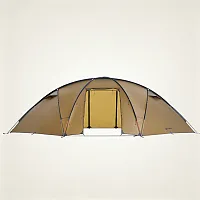
Barracuda Series
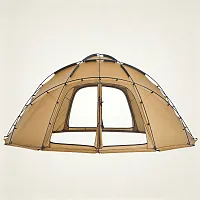
Roost Series
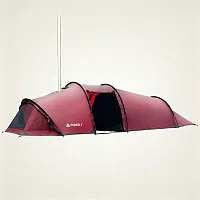
Openvista Series
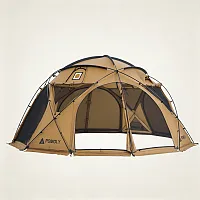
Sphere X Series
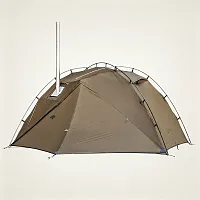
Dune Series
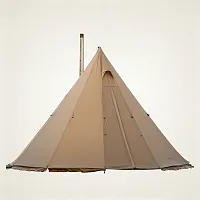
Circle Tent Series
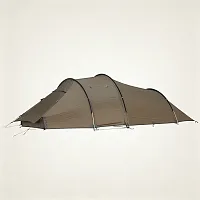
Locomotive Series
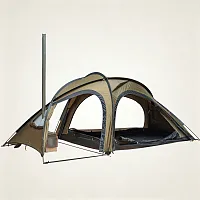
LEO Series
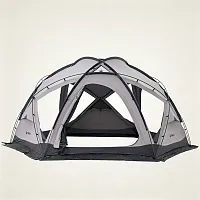
Dome X Series
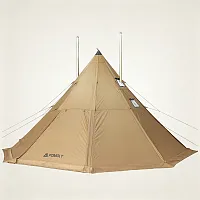
Bromance Series
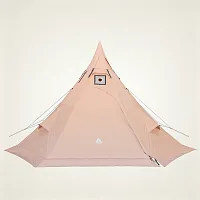
PEAK Series
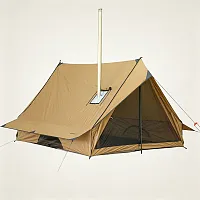
CHALET Series
STOVEHUT Series
HEX Series
YARN Series

MANTA Series
HUSSAR Series
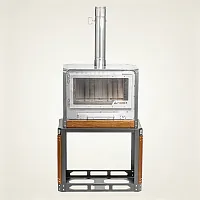
Druid Series
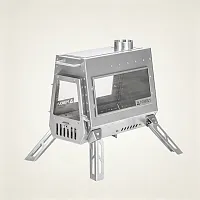
Dagger Series
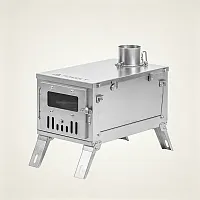
GT Series
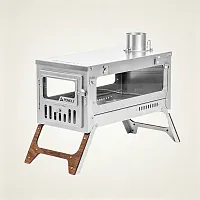
T1 3.0 Series
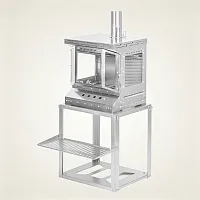
Reactor Series
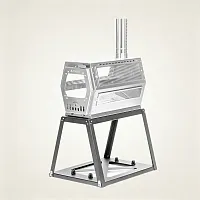
Hive Series
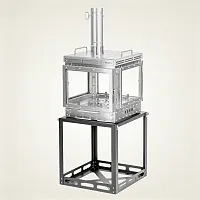
Cube Series
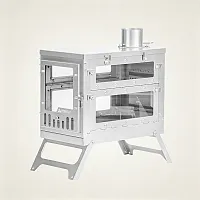
X-Ti Series
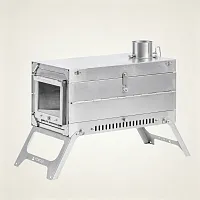
Fold X Series
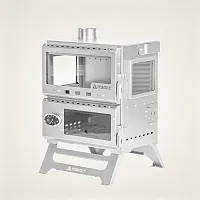
Baker Series

T1 2.0 Series
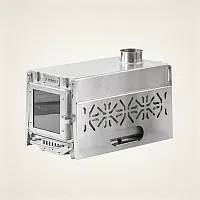
Oroqen 2.0 Series

T-Brick 2.0 Series
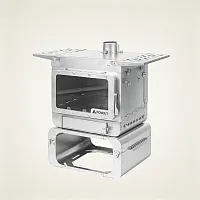
Lumberjack Series
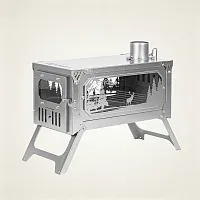
T-Brick Series
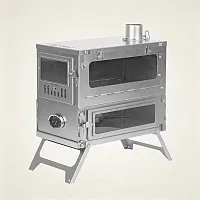
T1 1.0 Series
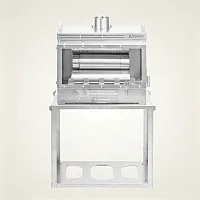
Dweller Ti Series
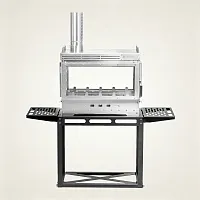
Dweller Series

TRAVELLER Series
TIMBER Series


Barracuda Series
Roost Series
Openvista Series
Sphere X Series
Dune Series
Circle Tent Series
Locomotive Series
LEO Series
Dome X Series
Bromance Series
PEAK Series
CHALET Series
STOVEHUT Series
HEX Series
YARN Series
MANTA Series
HUSSAR Series
Druid Series
Dagger Series
GT Series
T1 3.0 Series
Reactor Series
Hive Series
Cube Series
X-Ti Series
Fold X Series
Baker Series
T1 2.0 Series
Oroqen 2.0 Series
T-Brick 2.0 Series
Lumberjack Series
T-Brick Series
T1 1.0 Series
Dweller Ti Series
Dweller Series
TRAVELLER Series
TIMBER Series
Cart
What is Overland Basecamp? Guide for Beginners
What is Overland Basecamp? Guide for Beginners
Overland Basecamp is a temporary outdoor camp established during an overlanding trip to serve as a comfortable and functional home base while traveling by vehicle. Instead of packing up camp every time you want to explore a new area, an Overland Basecamp allows you to stay in one location for several nights while using your vehicle and camping gear to support everyday outdoor living. It can include a shelter, sleeping system, cooking area, gear storage, seating, lighting, and other equipment needed for a comfortable stay away from developed campgrounds.
In simple terms, an Overland Basecamp is where your vehicle-based adventure temporarily turns into a place to live. You drive to a remote or scenic location, set up camp, and use that camp as a starting point for exploring the surrounding area. Your vehicle provides transportation and carries the equipment, while the basecamp provides the comfort and organization you need once you arrive.
What Does Overland Basecamp Mean?
Overlanding is generally about traveling long distances through remote areas with the journey itself being part of the adventure. Unlike a traditional road trip, an overlanding trip often involves carrying enough equipment to be self-sufficient for days at a time.
An Overland Basecamp adds another layer to that idea. Rather than moving every night, you can establish camp in a suitable location and explore from there. Your vehicle might take you down forest roads, to trailheads, viewpoints, fishing spots, or other destinations during the day, while the basecamp remains set up as your home away from home.
This is why an Overland Basecamp is not simply another name for Basecamp Tent or a particular type of camping shelter. The term describes a way of organizing an overland trip around a central campsite. The shelter and equipment can vary considerably depending on the vehicle, destination, season, and length of the trip.
How Is an Overland Basecamp Different from Regular Camping?
The biggest difference is the relationship between the vehicle, the campsite, and the surrounding area. In regular camping, the campsite may simply be the destination. In overlanding, the vehicle is an important part of the travel system, and the basecamp gives you a place to settle in once you reach an area worth exploring.
- Regular camping: You typically travel to a campsite and stay there for the duration of the trip.
- Overlanding: The journey involves traveling between different locations, often using a capable vehicle and carrying your own equipment.
- Overland Basecamp: You use one established camp as a home base while making day trips or short excursions by vehicle.
This approach can make a long trip feel much less rushed. Once camp is established, there is no need to tear everything down just because you want to spend the next day exploring another trail or visiting a nearby destination.
Why Build an Overland Basecamp?
One of the biggest advantages is freedom without constant setup and teardown. Overlanding can involve a lot of driving, navigation, changing weather, and unfamiliar terrain. Having a stable camp gives you somewhere to return to at the end of the day.
It also gives you more flexibility with your time. You might spend the morning driving a mountain trail, fish a remote lake in the afternoon, and return to camp in time to cook dinner. The following day, you can explore in another direction without having to rebuild your entire campsite.
An Overland Basecamp can be especially useful for travelers who want to spend several days exploring one region rather than simply passing through it.
What Makes a Good Overland Basecamp?
A good basecamp is not necessarily the biggest or most expensive setup. It should be easy to use, appropriate for the environment, and organized around the way you actually travel.
1. A Suitable Shelter
Your shelter needs to provide enough room for sleeping and spending time comfortably, particularly if you plan to stay for several nights. Vehicle-based travel gives you more options than backpacking, but that does not mean you should bring everything you own.
Depending on your group and camping style, a large tent, freestanding tent, or tunnel tent can each serve a different purpose.
2. A Practical Camp Layout
Once you have enough space to sleep, the next question is how the rest of the camp functions. Cooking, eating, relaxing, changing clothes, and storing gear all become easier when each area has a clear purpose.
For longer stays, consider creating a simple distinction between your sleeping area, living area, cooking area, and gear storage. This makes the camp easier to maintain and reduces the amount of time spent looking for things.
3. Reliable Weather Protection
Overland travel can take you through environments where weather changes quickly. Rain, wind, cold temperatures, and even snow can turn an otherwise beautiful campsite into an uncomfortable one.
If you regularly travel during colder seasons, a 4 Season Tent or Cold Weather Tent may make more sense than a lightweight shelter designed primarily for mild conditions.
What Gear Do You Need for an Overland Basecamp?
The right gear depends heavily on where you are going. A desert trip in summer has very different requirements from a winter trip in the mountains. Before choosing equipment, think about temperature, precipitation, terrain, campsite access, water availability, and how many nights you expect to stay.
A basic Overland Basecamp may include:
- A weather-appropriate shelter and ground protection
- Sleeping bags, sleeping pads, or a vehicle-based sleeping system
- A cooking setup and food storage
- Water storage and a reliable way to manage drinking water
- Camp chairs and a table or other practical surface
- Lighting for the tent and surrounding campsite
- Storage containers for clothing, food, tools, and camping equipment
- Recovery and emergency equipment appropriate for the terrain
The advantage of overlanding is that your vehicle can carry larger and heavier equipment than you would normally take on a backpacking trip. That can make it practical to build a more comfortable camp without giving up the ability to travel to remote locations.
Can Hot Tenting Be Part of an Overland Basecamp?
Absolutely. For overlanders who camp during shoulder seasons or winter, hot tenting can add another dimension to the basecamp experience. A Hot Tent can provide a dedicated shelter for sleeping and relaxing, while a compatible stove can provide heat and, depending on the setup, a place to cook.
A Tent Stove can be particularly useful when staying in cold conditions, but it requires careful installation and operation. Proper chimney routing, ventilation, clearances, spark protection, and fire safety are essential. Never assume that a larger tent or more powerful stove automatically makes a setup safer or warmer.
For travelers specifically interested in winter vehicle camping, a Winter Tent with Stove can be considered as part of a purpose-built cold-weather basecamp system.
How to Set Up an Overland Basecamp
Setting up camp efficiently becomes important when you are traveling frequently. The goal is to create a system where the equipment you use most often is easy to access and the campsite can be established without unnecessary work.
- Choose your campsite carefully. Check the terrain, drainage, wind exposure, local regulations, and potential hazards before setting up.
- Park with purpose. Position the vehicle so it supports your shelter, cooking area, and departure route rather than becoming an obstacle.
- Set up the shelter first. Establish a dry and protected living space before unpacking smaller equipment.
- Create functional zones. Keep sleeping gear, cooking supplies, food, and frequently used personal items organized.
- Prepare for the night. Set up lighting, bedding, clothing, and anything you may need after dark before settling in.
- Keep the vehicle ready to move. Avoid building a campsite that becomes difficult to pack when you need to leave quickly.
A well-planned system saves time. After a few trips, many overlanders develop a routine where every item has a specific place in the vehicle and at camp.
How Long Can You Stay at an Overland Basecamp?
There is no fixed time limit. An Overland Basecamp might be used for a single night, a long weekend, or several weeks. The longer you stay, however, the more important organization becomes.
For extended trips, consider how you will manage food, water, waste, laundry, wet clothing, batteries, fuel, and general campsite maintenance. A setup that works perfectly for two nights may become frustrating after a week if there is nowhere to dry clothing or organize supplies.
This is also where a big tent for camping can make sense for vehicle-supported trips where weight and packed size are less restrictive than they would be for backpacking.
Overland Basecamp Tips for Beginners
If this is your first overland trip, resist the temptation to build the ultimate setup immediately. Start with a short trip somewhere relatively accessible and use it to learn what you actually need.
- Keep your first basecamp simple. Learn the basics before adding specialized equipment.
- Pack by function. Group cooking, sleeping, recovery, clothing, and emergency equipment separately.
- Think about access. The gear you need first should not be buried underneath everything else.
- Plan for bad weather. A beautiful forecast does not guarantee comfortable conditions.
- Leave room in your vehicle. Extra space makes packing and daily organization much easier.
- Know your limits. Remote travel requires preparation, navigation skills, communication, and an appropriate vehicle.
Most importantly, remember that an Overland Basecamp is supposed to support the adventure, not become the adventure itself. If setting up camp takes so much time and effort that you have no energy left to explore, the system probably needs simplifying.
Overland Basecamp vs. Traditional Basecamp Camping
The two concepts are closely related, but the vehicle plays a much bigger role in overlanding. A traditional basecamp can be established by hikers, hunters, climbers, or campers who travel to a location and operate from there. An Overland Basecamp is built around vehicle-supported travel and exploration.
The vehicle allows you to carry more supplies, reach more remote locations, and explore farther from camp. At the same time, the basecamp gives you a stable place to return to instead of carrying your entire camp every time you move.
That combination—mobility during the day and stability at camp—is what makes the Overland Basecamp approach so appealing.
Conclusion: What Is Overland Basecamp?
Overland Basecamp is a temporary outdoor camp established during an overlanding trip to provide a comfortable and functional home base while exploring an area by vehicle. It allows travelers to stay in one location for several nights while using their vehicle to reach trails, remote roads, fishing spots, viewpoints, and other destinations nearby.
A successful Overland Basecamp does not depend on having the most expensive vehicle or the largest collection of camping gear. It depends on choosing the right shelter, organizing equipment intelligently, preparing for the local environment, and creating a camp that is comfortable without becoming unnecessarily complicated.
For beginners, the best place to start is simple: choose a destination, build a practical camp, spend a few nights there, and learn from the experience. Over time, your basecamp can evolve into a comfortable outdoor home that gives you more freedom to explore while still having a place to come back to at the end of the day.
- Contact Us
-

Forge Your Outdoor Home!
At POMOLY,
we believe home is more than a place; it is a feeling you can create anywhere in the wild.
From shelter and fire to outdoor living, our gear helps you forge a basecamp, stay awhile, and make the wild feel like home.
- Company Info
- POMOLY Story
- About us
- Contact Form
- Leave-No-Trace
- Facebook Group
- YouTube Videos
- Contact Info
- Topic Collections
- Policies & Terms
- Payment Policy
- Shipping Policy
- Return & Refund
- Privacy Policy
- Terms of Use
- Duty Policy
- Product Safety Notice
- Warranty Guidelines
- INTELLECTUAL PROPERTY RIGHTS
- User Center
- Forget Password
- My Orders
- Tracking Order
- My Account
- Register
Copyright © 2026 Pomoly All rights reserved. Sitemap
FREE SHIPPING | FULL REFUND | SAFE PAYMENT | EMAIL SUPPORT