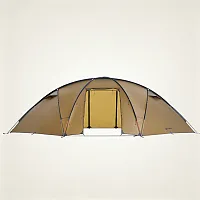
Barracuda Series
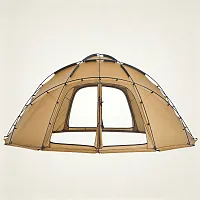
Roost Series
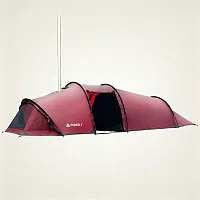
Openvista Series
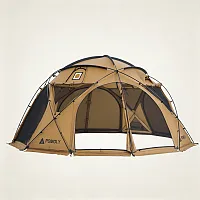
Sphere X Series
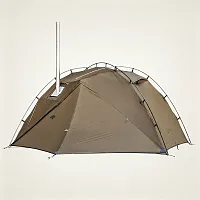
Dune Series
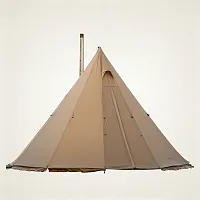
Circle Tent Series
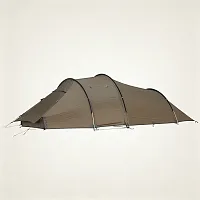
Locomotive Series
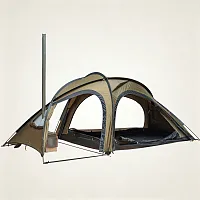
LEO Series
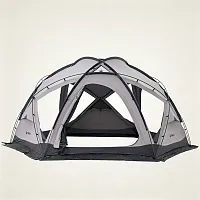
Dome X Series
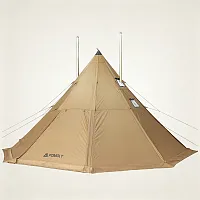
Bromance Series
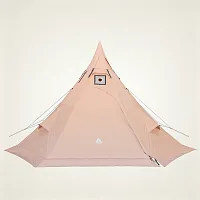
PEAK Series
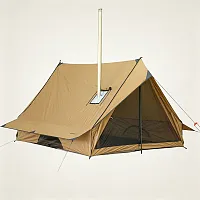
CHALET Series
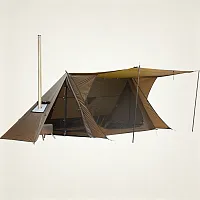
STOVEHUT Series
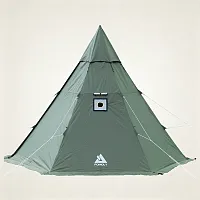
HEX Series
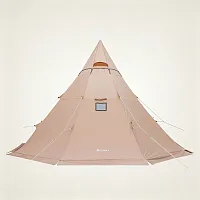
YARN Series

MANTA Series
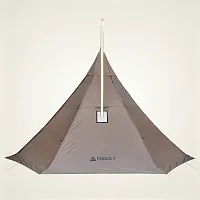
HUSSAR Series
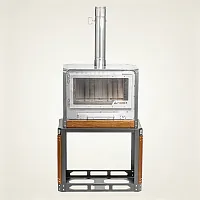
Druid Series
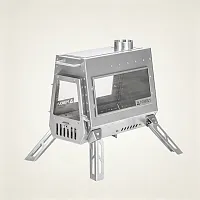
Dagger Series
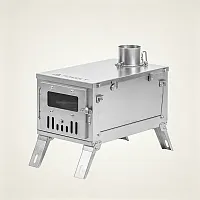
GT Series
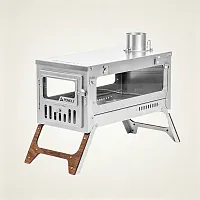
T1 3.0 Series
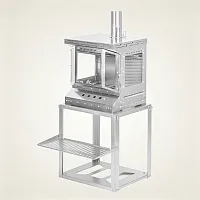
Reactor Series
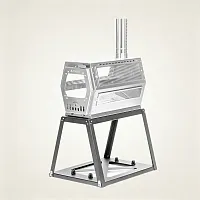
Hive Series
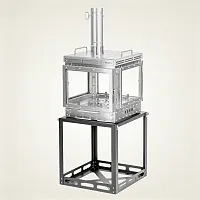
Cube Series
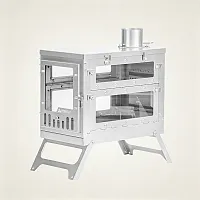
X-Ti Series
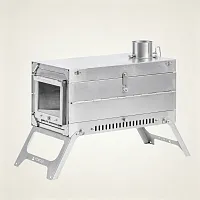
Fold X Series
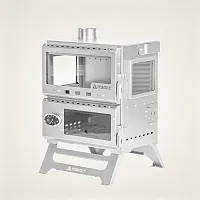
Baker Series

T1 2.0 Series
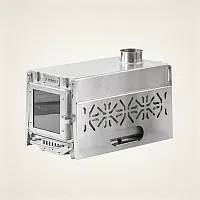
Oroqen 2.0 Series

T-Brick 2.0 Series
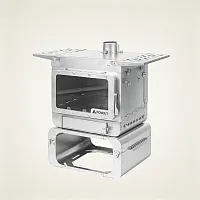
Lumberjack Series
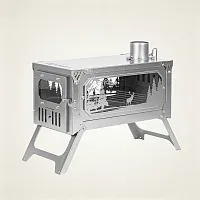
T-Brick Series
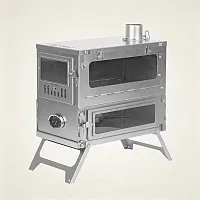
T1 1.0 Series
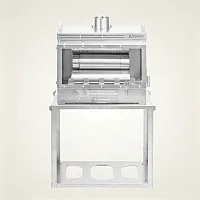
Dweller Ti Series
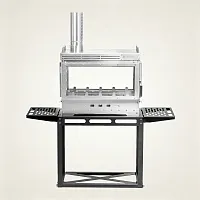
Dweller Series

TRAVELLER Series
TIMBER Series


Barracuda Series
Roost Series
Openvista Series
Sphere X Series
Dune Series
Circle Tent Series
Locomotive Series
LEO Series
Dome X Series
Bromance Series
PEAK Series
CHALET Series
STOVEHUT Series
HEX Series
YARN Series
MANTA Series
HUSSAR Series
Druid Series
Dagger Series
GT Series
T1 3.0 Series
Reactor Series
Hive Series
Cube Series
X-Ti Series
Fold X Series
Baker Series
T1 2.0 Series
Oroqen 2.0 Series
T-Brick 2.0 Series
Lumberjack Series
T-Brick Series
T1 1.0 Series
Dweller Ti Series
Dweller Series
TRAVELLER Series
TIMBER Series
Cart
What is Weekend Basecamp? Guide for Beginners
What Is Weekend Basecamp? Guide for Beginners
A Weekend Basecamp is a temporary outdoor camp set up as a comfortable, organized home base for a weekend trip, usually staying in one location for two or more nights instead of moving from place to place. Unlike a simple overnight campsite, a weekend basecamp is designed around staying longer, bringing more useful gear, creating a comfortable living space, and spending more time at camp.
In simple terms, Weekend Basecamp means creating a temporary outdoor home for a short getaway. The focus is not only on where you sleep, but also on how you spend your time there—cooking meals, relaxing, gathering around a fire, organizing gear, exploring the surrounding area, and returning to a comfortable camp at the end of the day.
This makes Weekend Basecamp different from both traditional overnight camping and large, long-term expedition camps. It sits somewhere in between: more intentional and comfortable than a basic campsite, but simple enough to set up and enjoy for a weekend.
What Does Weekend Basecamp Mean?
The word “basecamp” originally describes a central camp used as a starting and returning point during an outdoor adventure. A Weekend Basecamp takes that basic idea and applies it to a short camping trip.
Instead of packing everything into a backpack and moving every day, you choose a suitable campsite, set up your shelter and living area, and stay there for the duration of the weekend. During the day, you can hike, fish, explore trails, hunt, photograph wildlife, or simply spend time in nature. At the end of the day, you return to the same camp.
That simple change creates a very different camping experience.
You can bring a larger shelter, more comfortable sleeping equipment, a proper cooking setup, extra clothing, chairs, tables, lighting, and other items that would be inconvenient to carry while moving between campsites.
A Weekend Basecamp is therefore less about how far you travel and more about how you use one place during your time outdoors.
How Is a Weekend Basecamp Different from Regular Camping?
There is no single rule that determines whether a campsite qualifies as a basecamp. The difference is mainly in the purpose and setup.
Traditional overnight camping often prioritizes simplicity. You arrive, set up a tent, cook dinner, sleep, pack everything up the next morning, and continue your trip.
A Weekend Basecamp is designed for the opposite rhythm. You establish a camp and stay put for a while.
- Overnight camping: The campsite is primarily a place to sleep.
- Weekend Basecamp: The campsite becomes a place to sleep, cook, relax, store gear, and spend time.
- Backpacking: Low weight and mobility are usually the main priorities.
- Weekend Basecamp: Comfort, organization, and livability become more important because you are not carrying the entire setup from one campsite to another.
This does not mean a Weekend Basecamp has to be large or luxurious. A small shelter with a sleeping system and simple cooking area can work perfectly well. What matters is that the campsite is intentionally organized around staying in one place for the weekend.
Why Choose a Weekend Basecamp?
One of the biggest advantages of a Weekend Basecamp is that it gives you more time to enjoy the outdoors without constantly thinking about packing and moving.
Once camp is established, the rest of the weekend can feel slower. Breakfast does not have to be rushed. Lunch can be prepared back at camp after a morning hike. In the evening, there is no need to break everything down before going to sleep.
For beginners, this can also be an easier way to experience longer camping trips. You can bring enough food, clothing, and equipment to handle changing weather without worrying as much about keeping your entire load lightweight.
A well-planned basecamp can also become a social space. Friends and family can gather around the cooking area, share meals, play games, tell stories, or simply sit outside and enjoy the surroundings.
What Makes a Good Weekend Basecamp?
A good Weekend Basecamp does not necessarily require expensive equipment. It starts with choosing a suitable location and building a setup around the conditions you expect to encounter.
1. Choose the Right Location
Location is the foundation of any basecamp. Look for a campsite that provides enough level ground for your shelter and sleeping area while considering drainage, wind exposure, shade, access to water, and local camping regulations.
Think about what you want to do during the weekend as well. If hiking is the main activity, a campsite near trails may be ideal. If fishing is the priority, proximity to the water may matter more. For a relaxed family trip, accessibility and space may be more important.
Because you will be returning to the same location throughout the weekend, it is worth spending a little more time choosing the site.
2. Pick a Shelter That Fits Your Trip
Your shelter is the center of the basecamp. It needs to provide enough room for sleeping, storing equipment, and spending time when the weather is unpleasant.
A smaller group might be comfortable with a compact 3 Man Tent, while families or larger groups may benefit from a Large Tent with more usable interior space.
The best shelter depends on the number of people, expected weather, transportation method, and how much time you plan to spend inside it.
For campers who want a more structured living area, a Basecamp Tent can be particularly suitable because these shelters are designed around the idea of spending more time at camp rather than simply using the tent as a place to sleep.
Should You Use a Hot Tent for a Weekend Basecamp?
A Weekend Basecamp does not require a stove or a hot tent. However, adding a heatable shelter can make a major difference when camping in colder weather.
A Hot Tent is designed to work with a tent stove, allowing campers to create a warmer and more functional indoor space. This can be particularly useful during fall, winter, and early spring trips when cold temperatures make it less comfortable to spend long periods outdoors.
With the appropriate setup, a tent stove can provide heat while also supporting simple camp cooking and hot drinks. A morning at basecamp might begin with lighting the stove, boiling water for coffee, and preparing breakfast before heading out for the day's activities.
For anyone interested in cold-weather camping, it is worth understanding how a Tent Stove works and how it needs to be used with a compatible shelter. A stove should only be used in a tent specifically designed or approved for stove use, with proper ventilation and chimney installation.
What Gear Do You Need for a Weekend Basecamp?
The exact gear list depends on the season, location, group size, and activities. A weekend basecamp can be built around a surprisingly simple collection of equipment.
- Shelter: A tent appropriate for the expected weather and group size.
- Sleeping system: A sleeping bag or quilt, sleeping pad, and pillow.
- Cooking equipment: Stove, cookware, fuel, utensils, and food.
- Water: Enough drinking water or a reliable method for treating local water.
- Lighting: Headlamps, lanterns, or other camp lighting.
- Clothing: Layers suitable for changing temperatures and weather.
- Camp furniture: Chairs and a table if comfort is a priority.
- Storage: Containers or bags to keep food, clothing, and equipment organized.
- Safety equipment: First-aid supplies, navigation tools, and other items appropriate for the environment.
If you are camping in cold conditions, the shelter and heating system become more important. A Winter Camping Tent can provide a better starting point for trips where snow, low temperatures, or strong weather are expected.
For a stove-based setup, a Tent with Stove Jack is designed to accommodate a stove chimney, making it possible to build a dedicated hot-tent system rather than adapting an ordinary shelter.
How to Set Up a Weekend Basecamp
One of the best things about a basecamp is that you only have to build it once. After that, you can spend the rest of the weekend enjoying it.
- Choose your campsite. Check the terrain, weather forecast, local rules, and potential hazards before setting up.
- Set up the main shelter. Make sure the tent is properly tensioned and positioned according to the expected wind and weather.
- Create separate zones. Keep sleeping, cooking, storage, and relaxing areas organized rather than allowing everything to accumulate in one place.
- Set up the cooking area. Keep food preparation practical and maintain appropriate distance from combustible materials.
- Organize frequently used gear. Put lighting, clothing, water, and other essentials somewhere easy to reach.
- Prepare for changing weather. Keep rain gear, extra layers, and other weather-dependent equipment accessible.
- Leave the site clean. Pack out trash, follow local fire regulations, and leave the campsite as you found it.
The goal is not to make camp complicated. A good setup should make the weekend easier, not create another project to manage.
Weekend Basecamp Ideas for Beginners
If this is your first time building a Weekend Basecamp, start with a trip that matches your experience and equipment. There is no need to begin with a remote winter expedition.
A simple two-night camping trip can be enough to learn how much shelter space you prefer, how much food you actually use, and which pieces of gear make the biggest difference to your comfort.
Here are a few ideas to consider:
- Weekend hiking basecamp: Set up camp near a trail system and use the campsite as your starting point for day hikes.
- Family camping basecamp: Bring a larger shelter, comfortable sleeping equipment, simple cooking gear, and activities for everyone.
- Fall basecamp: Take advantage of cooler temperatures and changing foliage while keeping the setup relatively simple.
- Winter basecamp: Build a more weather-resistant setup with appropriate cold-weather sleeping gear and, where suitable, a hot tent and stove.
- Cooking-focused basecamp: Make camp cooking one of the main activities and create a dedicated cooking and dining area.
The beauty of a Weekend Basecamp is that the setup can reflect your interests. It can be focused on hiking, fishing, photography, cooking, family time, or simply doing less and enjoying the surroundings.
How Big Should a Weekend Basecamp Be?
There is no standard size for a Weekend Basecamp. The right size depends on how many people are camping and how much time you want to spend inside the shelter.
A solo camper may prefer a compact and lightweight setup. A couple might want enough space for a sleeping area plus a small living space. Families and groups may benefit from larger shelters where people can move around comfortably when weather keeps everyone inside.
For longer stays, additional interior space can be surprisingly valuable. You need room not only for sleeping bags, but also for clothing, food, backpacks, cooking equipment, and the small collection of things that naturally accumulates during a weekend outdoors.
This is why choosing a tent based only on its advertised sleeping capacity can sometimes be misleading. For a true basecamp, consider usable living space as well as the number of people who can technically sleep inside.
Weekend Basecamp vs. Backpacking
Weekend Basecamp and backpacking are not competing versions of camping; they simply prioritize different things.
Backpacking is built around movement. Every piece of gear has to earn its place because you may carry it for miles over changing terrain.
A basecamp is built around staying. Once you reach your campsite, you can unload your equipment and create a more comfortable environment. That allows you to bring items that would rarely make sense on a lightweight backpacking trip, such as larger cookware, camp chairs, additional food, or a more spacious shelter.
If your goal is to cover long distances, backpacking may be the better approach. If your goal is to explore an area from one comfortable campsite, a Weekend Basecamp may make more sense.
What Makes a Weekend Basecamp Feel Like Home?
Comfort does not come only from having more equipment. It comes from how the equipment is arranged and how the space is used.
A good basecamp has a sense of order. The cooking area has its place. Sleeping gear stays dry. Frequently used items are easy to reach. There is somewhere to sit down at the end of the day.
Small details can make a surprisingly large difference. A good camp chair, a warm drink, a well-organized kitchen, a dry place for your boots, or a lantern hanging in the right spot can make the campsite feel less temporary.
This is where the idea of basecamp starts to move beyond simply bringing more camping gear. You are creating a space that supports the way you want to spend time outdoors.
From Weekend Basecamp to Outdoor Living
A weekend may only last two or three nights, but the idea behind a basecamp can extend much further.
Once you begin thinking of a campsite as a temporary home rather than just a place to sleep, the way you choose and organize your gear starts to change. Shelter, cooking, warmth, storage, sleeping, and relaxation become parts of one connected system.
This idea is central to POMOLY and its approach to outdoor living. POMOLY began by focusing on practical outdoor equipment such as hot tents and titanium tent stoves, but the larger idea is about what that equipment makes possible.
A well-designed shelter can become the starting point for a Hot Tenting System. That system can become a more comfortable Basecamp. And a basecamp can gradually become an Outdoor Home—a familiar place with its own routines, layout, personality, and memories.
This progression can be thought of as:
Equipment → Hot Tenting System → Basecamp → Outdoor Home → Outdoor Living
Weekend Basecamp is a natural place to begin. You do not need to build an elaborate camp or stay in the wilderness for weeks. Even a simple weekend can teach you what makes an outdoor space comfortable and what kind of camping experience you enjoy.
Over time, those short trips can become more intentional. You learn how to choose a campsite, arrange your shelter, cook outdoors, handle changing weather, and create a space that feels like your own.
That is the thinking behind POMOLY's broader mission to help more people live better outdoors: making reliable and practical equipment that helps reduce some of the barriers to spending more time in nature.
Conclusion: What Is Weekend Basecamp?
A Weekend Basecamp is a temporary outdoor camp designed to serve as a comfortable home base for a weekend trip, typically staying in one location for two or more nights. Instead of using the campsite only for sleeping, campers build a more functional space for cooking, relaxing, storing gear, socializing, and returning to after a day of outdoor activities.
The key to Weekend Basecamp is not having the biggest tent or the most equipment. It is creating a practical outdoor space that supports the way you want to spend your weekend.
For beginners, the best approach is to start small. Choose a manageable location, bring the equipment you genuinely need, organize your camp into useful areas, and pay attention to what makes the experience more comfortable. Each trip will teach you something about your preferred shelter, sleeping system, cooking setup, and camping style.
Over time, a Weekend Basecamp can become more than a convenient campsite. It can become a place to slow down, explore, cook, gather, and reconnect with the outdoors.
Start with a campsite. Build a basecamp. Make it your own.
- Contact Us
-

Forge Your Outdoor Home!
At POMOLY,
we believe home is more than a place; it is a feeling you can create anywhere in the wild.
From shelter and fire to outdoor living, our gear helps you forge a basecamp, stay awhile, and make the wild feel like home.
- Company Info
- POMOLY Story
- About us
- Contact Form
- Leave-No-Trace
- Facebook Group
- YouTube Videos
- Contact Info
- Topic Collections
- Policies & Terms
- Payment Policy
- Shipping Policy
- Return & Refund
- Privacy Policy
- Terms of Use
- Duty Policy
- Product Safety Notice
- Warranty Guidelines
- INTELLECTUAL PROPERTY RIGHTS
- User Center
- Forget Password
- My Orders
- Tracking Order
- My Account
- Register
Copyright © 2026 Pomoly All rights reserved. Sitemap
FREE SHIPPING | FULL REFUND | SAFE PAYMENT | EMAIL SUPPORT