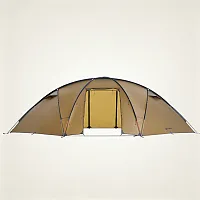
Barracuda Series
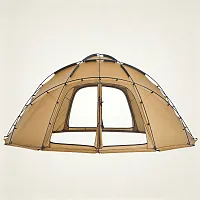
Roost Series
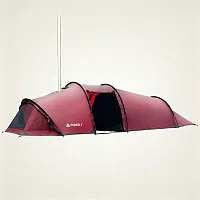
Openvista Series
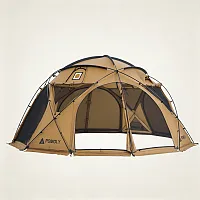
Sphere X Series
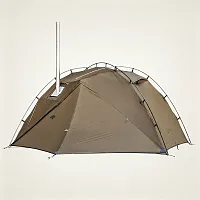
Dune Series
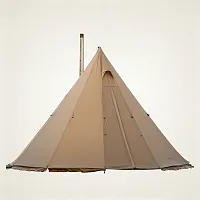
Circle Tent Series
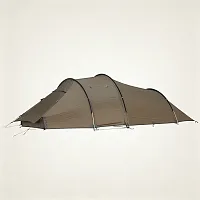
Locomotive Series
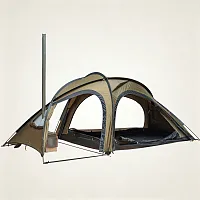
LEO Series
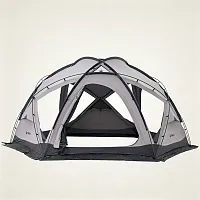
Dome X Series
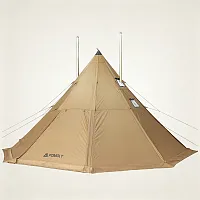
Bromance Series
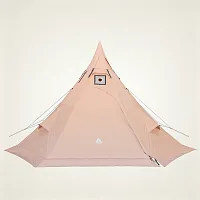
PEAK Series
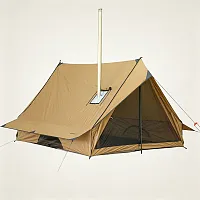
CHALET Series
STOVEHUT Series
HEX Series
YARN Series

MANTA Series
HUSSAR Series
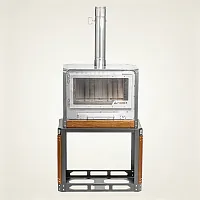
Druid Series
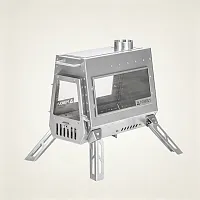
Dagger Series
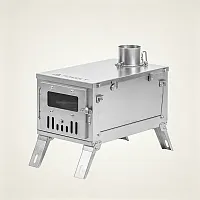
GT Series
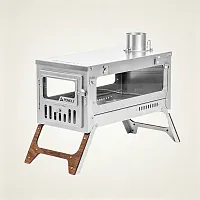
T1 3.0 Series
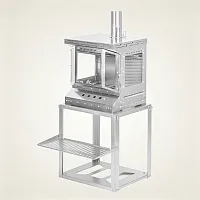
Reactor Series
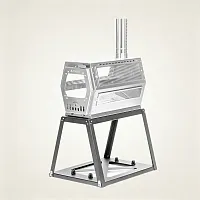
Hive Series
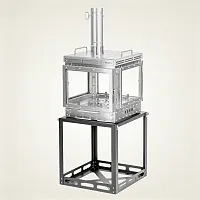
Cube Series
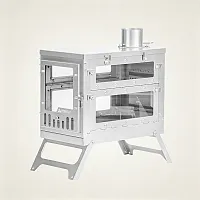
X-Ti Series
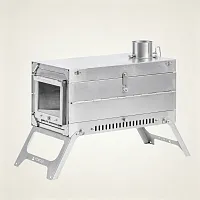
Fold X Series
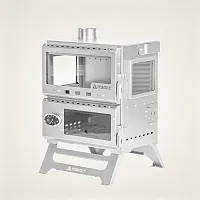
Baker Series

T1 2.0 Series
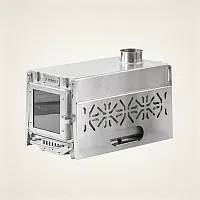
Oroqen 2.0 Series

T-Brick 2.0 Series
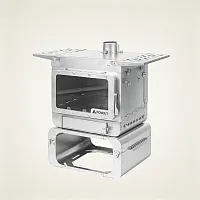
Lumberjack Series
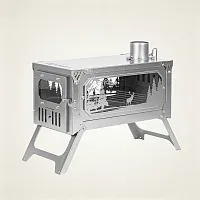
T-Brick Series
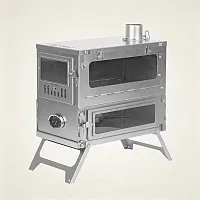
T1 1.0 Series

Dweller Ti Series
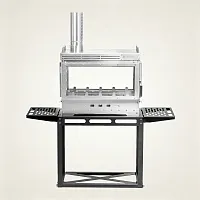
Dweller Series

TRAVELLER Series
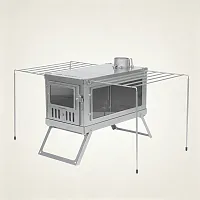
TIMBER Series


Barracuda Series
Roost Series
Openvista Series
Sphere X Series
Dune Series
Circle Tent Series
Locomotive Series
LEO Series
Dome X Series
Bromance Series
PEAK Series
CHALET Series
STOVEHUT Series
HEX Series
YARN Series
MANTA Series
HUSSAR Series
Druid Series
Dagger Series
GT Series
T1 3.0 Series
Reactor Series
Hive Series
Cube Series
X-Ti Series
Fold X Series
Baker Series
T1 2.0 Series
Oroqen 2.0 Series
T-Brick 2.0 Series
Lumberjack Series
T-Brick Series
T1 1.0 Series
Dweller Ti Series
Dweller Series
TRAVELLER Series
TIMBER Series
Cart
What is Winter Basecamp? Guide for Beginners
What Is Winter Basecamp? Guide for Beginners
Winter Basecamp is a temporary outdoor camp designed to provide a stable, comfortable, and functional place to live during a winter trip. Unlike a simple winter campsite used mainly for sleeping, a winter basecamp is organized to support several days of outdoor living, including sleeping, cooking, eating, relaxing, drying gear, staying warm, and preparing for activities in cold and snowy conditions.
In simple terms, a Winter Basecamp is a central outdoor living space built to make extended camping in cold weather more practical and comfortable. It usually combines a weather-appropriate shelter, insulated sleeping system, cooking area, heating solution, gear storage, and space for daily activities. The goal is not to eliminate the challenges of winter, but to create a reliable place where you can return, warm up, reorganize, and spend time between outdoor activities.
This makes Winter Basecamp different from simply putting up a tent in the snow. It is a way of planning the entire campsite around winter conditions and the reality of spending more than one night outdoors.
What Does Winter Basecamp Mean?
The idea of a basecamp is simple: instead of carrying everything with you throughout the day, you establish a central camp and use it as your home base. In winter, this becomes particularly valuable because cold temperatures, snow, wind, and shorter daylight hours can make moving around with wet or heavy equipment much harder.
A well-planned Winter Basecamp gives you somewhere to return to after skiing, snowshoeing, hiking, hunting, ice fishing, or exploring. Your sleeping system can remain set up, firewood can be prepared, cooking equipment can stay organized, and wet clothing can be managed without rebuilding the entire campsite every day.
The important part is that the camp is designed for living in winter, rather than simply surviving one cold night. That usually means thinking about shelter, heat, insulation, moisture, ventilation, snow management, food, and equipment before the trip begins.
How Is a Winter Basecamp Different from Regular Winter Camping?
Winter camping can mean many different things. A backpacker carrying a lightweight tent and sleeping bag into the mountains is winter camping, but that does not necessarily make the setup a winter basecamp.
The main difference is how the campsite is used. Winter Basecamp generally means staying in one location for multiple nights and making that location the center of the trip.
- Winter camping: Can be lightweight, mobile, and focused on spending the night safely.
- Winter Basecamp: Focuses on establishing a more permanent-feeling camp for several days or repeated daily activities.
- Backcountry travel: Often prioritizes low weight and mobility.
- Basecamp camping: Gives more attention to shelter space, organization, cooking, warmth, and comfort.
There is no fixed number of nights required for something to qualify as a Winter Basecamp. A two-night trip can have a basecamp-style setup if the campsite is intentionally established as the center of the experience.
Why Build a Winter Basecamp?
Winter changes the way a campsite works. In summer, you might spend most of the day outside and only return to the tent to sleep. In winter, cold temperatures and bad weather can make the shelter itself an important part of the day's activities.
A good Winter Basecamp gives you a place to slow down when conditions become uncomfortable. You can come back from a snowy hike, change out of damp layers, make something hot to eat, and spend the evening somewhere protected from the wind.
It also reduces the amount of daily setup and teardown. Once the camp is properly established, you can focus more on the activities you came for instead of repeatedly rebuilding your sleeping and cooking systems.
For this reason, winter camping tents and larger shelters can be especially useful when the campsite is intended to function as a home base for several days.
What Makes a Good Winter Basecamp?
A Winter Basecamp does not have to be large or luxurious. What matters is whether the setup can handle the conditions and support the way you intend to use it.
1. A Suitable Winter Shelter
The shelter is the foundation of the entire camp. It needs to match the expected snow, wind, precipitation, and temperature rather than simply being the largest tent you can find.
A 4 season tent is designed with more demanding weather in mind, while a cold weather tent can be considered when low temperatures are a major part of the trip.
For a basecamp, interior space matters too. You may need room for sleeping, cooking, changing clothes, storing equipment, and simply sitting comfortably when the weather keeps you inside.
2. A Reliable Sleeping System
A warm tent cannot replace a proper sleeping system. Ground insulation is particularly important in winter because snow and frozen ground can draw heat away from your body.
A suitable sleeping pad, warm sleeping bag or quilt, dry clothing, and appropriate insulation should be considered together. The system should be chosen according to the lowest temperatures you realistically expect rather than the average daytime temperature.
3. A Practical Heating Setup
For some winter campers, heating becomes one of the defining features of the basecamp. A properly installed wood stove can provide warmth and, depending on the design, a place to heat water or prepare simple food.
If you are planning to use a stove inside a shelter, choose a tent specifically designed for that purpose. A tent with a stove jack provides an appropriate location for a chimney system, but safe installation still requires adequate clearance, ventilation, and careful operation.
A camping wood stove can be useful for campers who want a wood-fired heating and cooking option, but it should never be treated as a substitute for proper cold-weather sleeping gear. Carbon monoxide, sparks, hot surfaces, chimney clearance, and fire safety all need to be taken seriously.
Where Should You Set Up a Winter Basecamp?
Choosing a winter campsite requires more thought than simply finding a flat patch of snow. Terrain, wind exposure, snow conditions, water availability, avalanche risk, and access to the site can all affect the safety and comfort of the camp.
Look for a location that provides reasonable protection from prevailing winds without placing the shelter underneath unstable trees, steep snow-loaded slopes, or other potential hazards. At the same time, avoid creating a camp in a low area where cold air or melting snow may collect.
Snow can also be useful as a building material. In suitable conditions, it can help create wind protection around a camp, but it should never be relied upon as the only structural or safety measure.
How to Organize a Winter Basecamp
The best winter camps tend to have a simple layout. You should not have to dig through several bags every time you want to make coffee or find a dry pair of gloves.
- Choose a safe location. Check terrain, snow conditions, weather, wind, and access before setting up.
- Establish the shelter first. Make sure the tent is securely anchored and prepared for expected snow and wind.
- Create a sleeping zone. Keep sleeping equipment dry and protected from unnecessary moisture.
- Set up a cooking area. Keep food, water, cookware, and cooking equipment organized and accessible.
- Plan the heating area. If using a stove, maintain proper clearances and keep flammable items away from hot surfaces.
- Create a gear-drying area. Wet gloves, socks, and outer layers can quickly become a problem in winter.
- Keep frequently used items within reach. Headlamps, gloves, water, fire-starting equipment, and emergency gear should be easy to find.
- Maintain the camp every day. Remove excess snow, check guylines, inspect the chimney if applicable, and keep the living area organized.
What Gear Do You Need for a Winter Basecamp?
The exact gear list depends on the environment and activities, but a basic Winter Basecamp usually needs several systems working together:
- Shelter: a winter-ready tent, stakes, guylines, and ground protection
- Sleeping: a cold-weather sleeping bag or quilt, insulated sleeping pad, and appropriate clothing
- Cooking: stove or cooking system, cookware, food, and water storage
- Heating: suitable heating equipment when conditions and shelter allow it
- Clothing: moisture-managing base layers, insulation, waterproof outer layers, gloves, and warm footwear
- Lighting: headlamp, lantern, and spare batteries protected from extreme cold
- Safety: first-aid supplies, navigation equipment, communication tools, and weather information
- Camp organization: storage containers, dry bags, and equipment for managing snow and wet gear
You do not necessarily need the biggest shelter or the most equipment. A well-insulated tent can help in some conditions, while a spacious shelter may be more valuable when several people are sharing the basecamp. The right setup depends on the environment, group size, and how much time you expect to spend inside.
Can a Hot Tent Be Used for a Winter Basecamp?
Yes. Hot tents are particularly well suited to the Winter Basecamp concept because they can combine shelter and a dedicated space for wood-fired heating.
For campers who enjoy spending extended periods outdoors during cold weather, a hot tent can become the central living space of the basecamp. You can sleep inside, prepare hot drinks, cook simple meals, and have a warm place to spend time when temperatures fall.
A winter tent with a stove can be especially practical for this style of camping when the tent and stove are designed to work together. However, heat management is only one part of winter safety. Proper ventilation, carbon monoxide awareness, chimney maintenance, fire prevention, and a suitable sleeping system remain essential.
Winter Basecamp for Different Outdoor Activities
A Winter Basecamp can support many different types of trips. Backcountry skiers and snowshoers can use it as a central point between days on the trail. Hunters may establish a camp close to an area they plan to explore. Ice anglers can use a basecamp to stay organized during multi-day trips.
For more stationary trips, an appropriate snow tent can form the center of the camp, while larger groups may benefit from a large camping tent with enough room for shared activities.
The common thread is that the camp is not simply somewhere to leave a sleeping bag. It becomes the place where people return to eat, rest, dry gear, plan the next day's activities, and enjoy the winter environment at a slower pace.
How Can You Make a Winter Basecamp More Comfortable?
Comfort in winter often comes from small practical improvements rather than adding unnecessary equipment. Keeping the floor dry, organizing gear vertically, having a dedicated place for wet clothing, and keeping frequently used items close can make the shelter much easier to live in.
It is also worth thinking about moisture from the beginning. Snow brought inside on boots or clothing eventually becomes water. Good ventilation helps manage condensation, while keeping sleeping insulation dry is critical for maintaining warmth.
Think of the basecamp as a system. If one part creates a problem for another—for example, wet gear blocking the cooking area or firewood taking up the sleeping space—the solution may be better organization rather than more equipment.
Is Winter Basecamp Right for Beginners?
It can be, provided beginners start with conditions they can reasonably manage. Winter camping has fewer margins for error than warm-weather camping, so a first trip should not be an experiment in extreme conditions.
Start with a location that is accessible and a weather forecast that gives you a reasonable safety margin. Learn how your shelter, sleeping system, clothing, and cooking equipment perform before committing to a remote multi-day trip.
It is also helpful to practice setting up the shelter and organizing the camp before winter arrives. Knowing where everything belongs becomes much more valuable when you are wearing gloves and working in freezing temperatures.
Conclusion: What Is Winter Basecamp?
Winter Basecamp is a temporary outdoor camp designed to function as a comfortable and reliable home base during extended trips in cold, snowy, or otherwise demanding winter conditions. Unlike basic winter camping, it is planned around spending several days in one location and supporting everyday activities such as sleeping, cooking, relaxing, storing equipment, drying clothing, and staying warm.
A successful Winter Basecamp does not have to be complicated. Start with a shelter appropriate for the conditions, build a dependable sleeping system, organize the camp around daily activities, prepare for moisture and snow, and use heating equipment only when the shelter and conditions are suitable.
Once the practical details are handled, winter camping can become something more than enduring the cold. Your basecamp becomes a place to return to after a day outside—a warm meal, a dry sleeping bag, a cup of coffee, and a quiet evening while snow falls outside. That is the real value of a Winter Basecamp: creating a dependable outdoor home that lets you spend more time enjoying winter on your own terms.
- Contact Us
-

Forge Your Outdoor Home!
At POMOLY,
we believe home is more than a place; it is a feeling you can create anywhere in the wild.
From shelter and fire to outdoor living, our gear helps you forge a basecamp, stay awhile, and make the wild feel like home.
- Company Info
- POMOLY Story
- About us
- Contact Form
- Leave-No-Trace
- Facebook Group
- YouTube Videos
- Contact Info
- Topic Collections
- Policies & Terms
- Payment Policy
- Shipping Policy
- Return & Refund
- Privacy Policy
- Terms of Use
- Duty Policy
- Product Safety Notice
- Warranty Guidelines
- INTELLECTUAL PROPERTY RIGHTS
- User Center
- Forget Password
- My Orders
- Tracking Order
- My Account
- Register
Copyright © 2026 Pomoly All rights reserved. Sitemap
FREE SHIPPING | FULL REFUND | SAFE PAYMENT | EMAIL SUPPORT