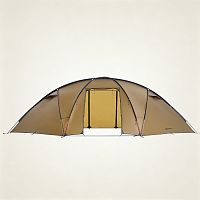
Barracuda Series
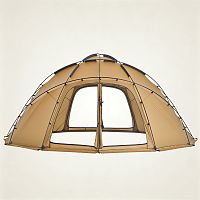
Roost Series
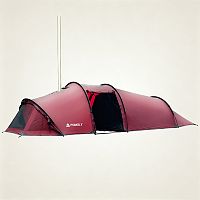
Openvista Series
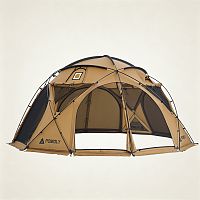
Sphere X Series
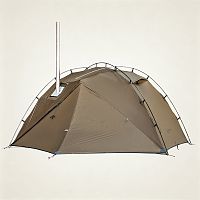
Dune Series
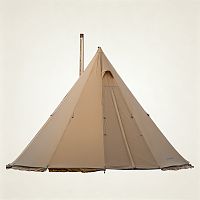
Circle Tent Series
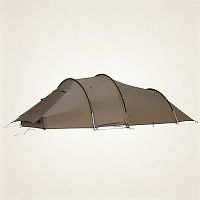
Locomotive Series
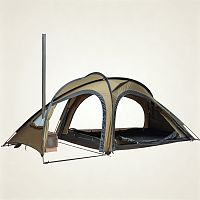
LEO Series
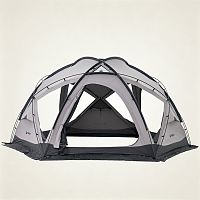
Dome X Series
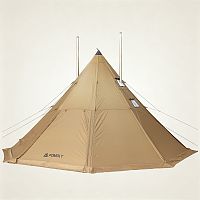
Bromance Series
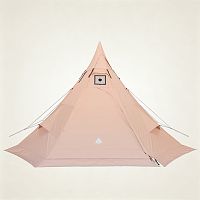
PEAK Series
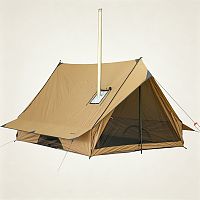
CHALET Series
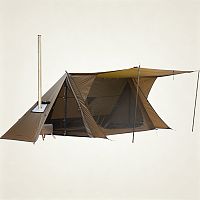
STOVEHUT Series
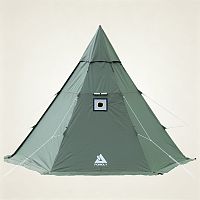
HEX Series
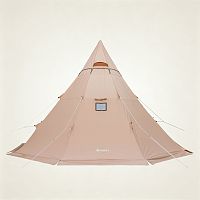
YARN Series
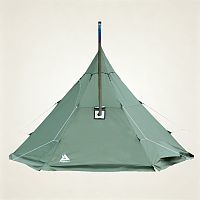
MANTA Series
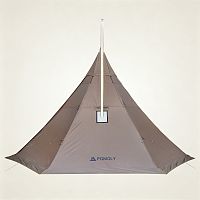
HUSSAR Series
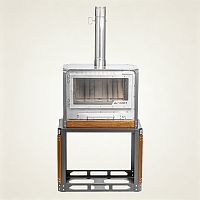
Druid Series
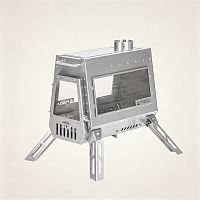
Dagger Series
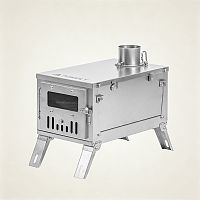
GT Series
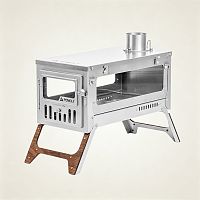
T1 3.0 Series
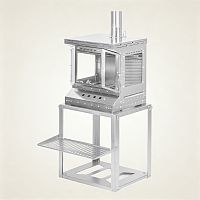
Reactor Series
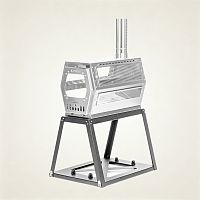
Hive Series
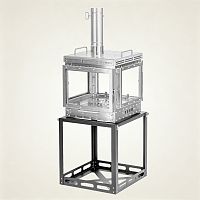
Cube Series
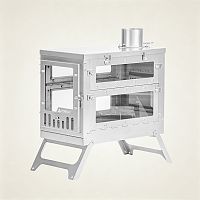
X-Ti Series
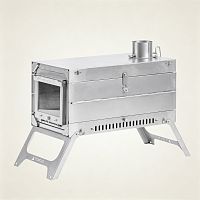
Fold X Series
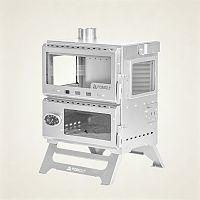
Baker Series
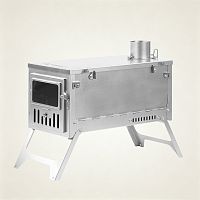
T1 2.0 Series
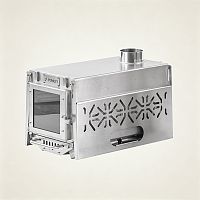
Oroqen 2.0 Series
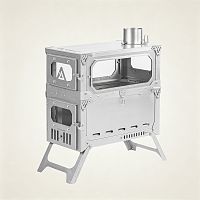
T-Brick 2.0 Series
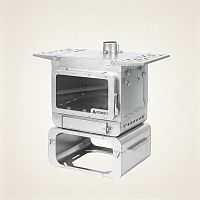
Lumberjack Series
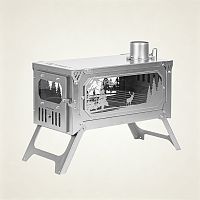
T-Brick Series
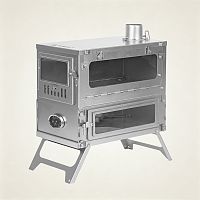
T1 1.0 Series
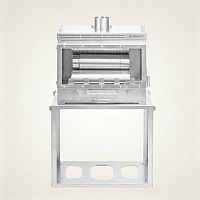
Dweller Ti Series
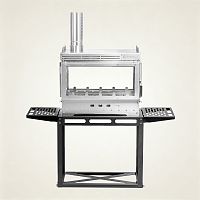
Dweller Series
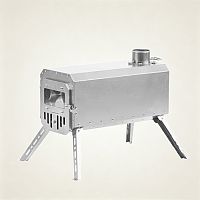
TRAVELLER Series
TIMBER Series


Barracuda Series
Roost Series
Openvista Series
Sphere X Series
Dune Series
Circle Tent Series
Locomotive Series
LEO Series
Dome X Series
Bromance Series
PEAK Series
CHALET Series
STOVEHUT Series
HEX Series
YARN Series
MANTA Series
HUSSAR Series
Druid Series
Dagger Series
GT Series
T1 3.0 Series
Reactor Series
Hive Series
Cube Series
X-Ti Series
Fold X Series
Baker Series
T1 2.0 Series
Oroqen 2.0 Series
T-Brick 2.0 Series
Lumberjack Series
T-Brick Series
T1 1.0 Series
Dweller Ti Series
Dweller Series
TRAVELLER Series
TIMBER Series
Cart
Fishing Basecamp Gear Collections for Sale
A Fishing Basecamp is a temporary outdoor camp set up near a fishing destination, providing a comfortable and organized place to sleep, cook, store fishing gear, rest between fishing sessions, and spend time outdoors. Unlike a quick fishing campsite used mainly for overnight shelter, a Fishing Basecamp is designed as a central home base for longer fishing trips, giving anglers a practical place to return to throughout the day.
A good Fishing Basecamp can make a multi-day fishing trip feel less like constantly packing and unpacking and more like settling into a temporary outdoor home. Whether you are camping beside a remote lake, river, reservoir, or coastal area, the goal is to create a setup that keeps essential gear organized while giving you a comfortable place to eat, sleep, warm up, and relax after hours on the water.
The setup can be as simple or as developed as the trip requires. A solo angler may only need a compact shelter, sleeping system, cooking equipment, and space for tackle. A group staying several nights may want a dedicated Basecamp Tent with more living space, multiple entrances, and room for tables, chairs, coolers, fishing equipment, and other supplies.
What Makes a Good Fishing Basecamp?
The best setup starts with the location and the length of the trip. Before choosing equipment, think about how far you need to carry your gear, how many people will share the shelter, what weather you may encounter, and how much time you expect to spend around camp rather than on the water.
- Comfortable shelter: Choose enough interior space for sleeping, changing clothes, organizing tackle, and taking shelter from rain, wind, or cold weather.
- Weather protection: A dependable shelter becomes especially important when fishing trips extend into shoulder seasons or unpredictable weather. For changing conditions, a 4 Season Tent can provide a more suitable starting point.
- Gear organization: Fishing rods, tackle boxes, waders, boots, coolers, food, and clothing can quickly clutter a small campsite. Dedicated storage areas and a little planning make camp much easier to manage.
- Cooking space: A basecamp should have a practical area for preparing coffee, meals, and snacks without interfering with sleeping or gear storage.
- Warmth when needed: For cold-weather fishing, a tent designed around a stove can turn the shelter into a much more useful living space. A tent with a stove jack can accommodate a compatible wood stove when properly installed and operated.
- Easy access: Multiple doors or a practical layout can be valuable when anglers are coming and going throughout the day with wet clothing, boots, rods, and other equipment.
Choosing the Right Fishing Basecamp Tent
There is no single tent style that works for every fishing trip. The right choice depends on the environment, group size, transportation, and how much living space you want at camp.
For anglers who want straightforward setup and flexible placement, a Freestanding Tent can be convenient because it does not rely on the same type of fixed support system as some other designs. A Dome Tent is another practical option when you want a familiar layout with usable headroom and a stable structure.
For longer stays, a larger shelter may be worth considering. A Large Tent gives you more room to separate sleeping areas from cooking and gear storage, while larger groups may benefit from the extra interior space of a 6 Person Tent or 8 Person Tent.
Fishing Basecamp for Different Seasons
Fishing does not stop when the temperature drops, but the requirements of your basecamp can change dramatically with the season. Summer fishing may place more emphasis on ventilation, shade, and keeping wet gear separated from sleeping areas. Spring and fall can bring colder nights, rain, and strong winds, making insulation and weather resistance more important.
For winter fishing trips, especially when your camp is near frozen lakes or exposed terrain, shelter becomes part of the overall cold-weather system. Anglers heading onto the ice can also explore a dedicated Ice Fishing Tent for the fishing environment itself, while a larger shelter can serve as the main living area away from the fishing hole.
If you plan to heat your shelter with a wood stove, look for a compatible stove jack, adequate ventilation, and sufficient clearance around the stove and chimney. A suitable Tent Stove can provide heat and a way to cook, but it should always be installed and operated according to the stove and tent manufacturer's instructions.
How to Organize a Fishing Basecamp
A little organization goes a long way when several days of fishing gear are concentrated in one campsite. Instead of treating the tent as one large storage area, divide it into practical zones so that frequently used equipment stays accessible and wet or dirty gear does not take over the living space.
- Sleeping zone: Keep sleeping bags, bedding, and personal clothing in the cleanest and driest part of the shelter.
- Fishing gear zone: Store tackle boxes, rods, reels, and other equipment where they can be reached quickly before heading out.
- Cooking zone: Keep food, cookware, fuel, and water together so meal preparation does not interfere with fishing equipment.
- Wet gear zone: Give waders, rain gear, boots, and other damp equipment a dedicated place to dry without soaking sleeping areas.
- Relaxation zone: Leave enough open space for sitting, eating, planning the next fishing session, or simply enjoying the evening.
This organization is particularly useful when several people share the same shelter. A larger layout can reduce the constant shuffle of equipment and make the basecamp more comfortable when everyone returns at the same time.
When Does a Hot Tent Make Sense for Fishing?
A hot tent can be useful when cold temperatures turn the shelter into more than just a place to sleep. For anglers spending several days in cool or winter conditions, the ability to warm the interior, dry damp clothing, and create a comfortable place to cook can make the basecamp much more functional.
If this is the style of camp you have in mind, explore Hot Tents built for cold-weather basecamps and pair a compatible shelter with a suitable wood stove. The key is to consider the entire system rather than choosing a tent or stove separately, including stove-jack dimensions, chimney routing, ventilation, floor protection, and available interior space.
Plan Your Fishing Basecamp Around the Trip
A Fishing Basecamp does not need to be complicated. What matters most is that the shelter and equipment support the way you actually fish. A short trip close to your vehicle may allow you to bring a larger tent, comfortable furniture, extra food, and more cooking equipment. A remote trip may require a lighter and more compact setup that can be transported efficiently.
It is also worth planning for the time when you are not fishing. Weather delays, early mornings, long evenings, and rest periods are all part of a multi-day trip. A comfortable basecamp gives you somewhere to dry off, prepare a meal, organize tackle, and enjoy the surroundings without feeling like you are simply waiting for the next fishing session.
From a simple lakeside camp to a fully equipped multi-day fishing setup, the right combination of shelter, warmth, sleeping space, cooking equipment, and storage can make a remote fishing trip considerably easier to manage. The goal is not to bring everything you own, but to build a practical camp that supports the experience from the first cast to the final morning.
Explore the Fishing Basecamp gear collection below to find tents and essential camping equipment that can help you build a comfortable, organized home base for your next fishing adventure.
Fishing Basecamp Gear (30)
-
Sphere X8 Lite | Glamping Tent 8 Person Family Luxury Tent | POMOLY New Arrival 2025(2)US$ 1161.00 US$ 1290.00
-
Roost V8 | Glamping Tent 6-8P | Basecamp Luxury Tent | POMOLY New Arrival 2025(2)US$ 1251.00 US$ 1390.00
-
【Pre Order】Bromance 70 Tipi Wood Stove Tent for 4-6 Person (3 Stove Jacks) | POMOLY New Arrival(32)US$ 242.99 US$ 269.99
-
-
-
STOVEHUT 20 Bushcraft Hot Tent with Stove Jack (Blue) | POMOLY New Arrival 2025(2)US$ 185.99 US$ 199.99
-
-
-
-
-
-
HUSSAR Plus 2.0 Camping Hot Tent | Tipi Tent with Stove Jack | POMOLY New Arrival(5)US$ 199.20 US$ 249.00


Make Your Fishing Basecamp Feel Like Home
Once the basic shelter is in place, small details can make a noticeable difference. A comfortable sleeping setup, a reliable cooking area, organized tackle storage, and a dry place for wet clothing can turn an ordinary campsite into a basecamp that feels intentional and easy to live in.
Think about your typical fishing routine when choosing equipment. If you spend most of the day on the water, prioritize quick access to rods, tackle, food, and clothing. If you enjoy long evenings around camp, additional living space and a comfortable heating setup may be more important. For family or group trips, extra room can also make it easier for everyone to have their own place to sleep, relax, and store personal gear.
A well-planned Fishing Basecamp ultimately gives you more than a place to spend the night. It creates a dependable home base where you can prepare for the next day, recover after a long day outdoors, and enjoy the surroundings at your own pace. Whether you are planning a summer lake trip, a remote river expedition, or a cold-weather fishing adventure, POMOLY offers tents and camping equipment to help you build a Fishing Basecamp around the way you travel and fish.
- Contact Us
-

Forge Your Outdoor Home!
At POMOLY,
we believe home is more than a place; it is a feeling you can create anywhere in the wild.
From shelter and fire to outdoor living, our gear helps you forge a basecamp, stay awhile, and make the wild feel like home.
- Company Info
- POMOLY Story
- About us
- Contact Form
- Leave-No-Trace
- Facebook Group
- YouTube Videos
- Contact Info
- Topic Collections
- Policies & Terms
- Payment Policy
- Shipping Policy
- Return & Refund
- Privacy Policy
- Terms of Use
- Duty Policy
- Product Safety Notice
- Warranty Guidelines
- INTELLECTUAL PROPERTY RIGHTS
- User Center
- Forget Password
- My Orders
- Tracking Order
- My Account
- Register
- Popular Searches
-
Tipi Tents Dome Tents Camping Tent Hammock Stove Camping Camping Pellet Stove Circle 6 Titanium Water TankDome X Locomotive 20 LEO 2 camping tent T-Brick 2.0 T1 2.0 tent stove Dweller wood stove Oroqen 2.0 Chimney Water Tank Lumberjack STOVEHUT Bromance 70 Tipi Pomoly Coupon Baker Oven Stove Titanium elbow Fire Pits Tent Stove titanium Stove
Copyright © 2026 Pomoly All rights reserved. Sitemap
FREE SHIPPING | FULL REFUND | SAFE PAYMENT | EMAIL SUPPORT