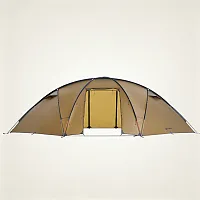
Barracuda Series
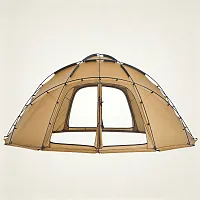
Roost Series
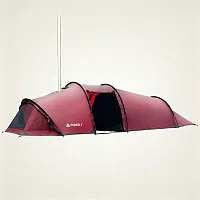
Openvista Series
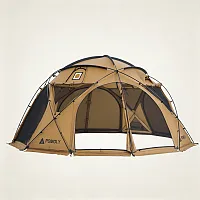
Sphere X Series
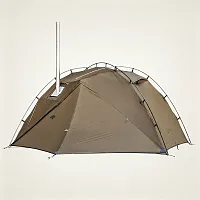
Dune Series
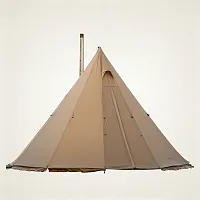
Circle Tent Series
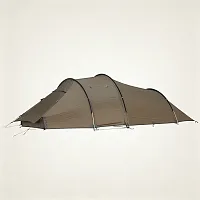
Locomotive Series
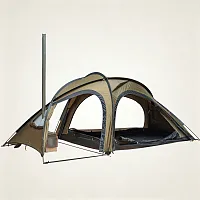
LEO Series
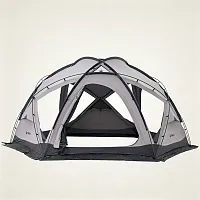
Dome X Series
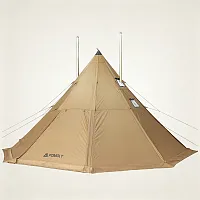
Bromance Series
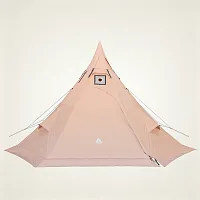
PEAK Series
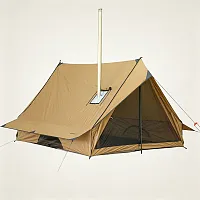
CHALET Series
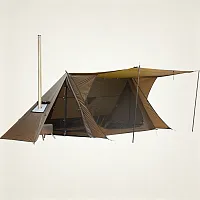
STOVEHUT Series
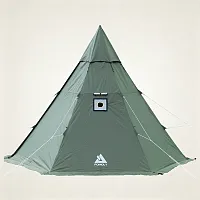
HEX Series
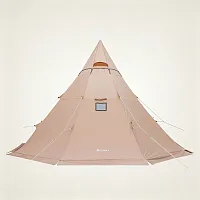
YARN Series

MANTA Series
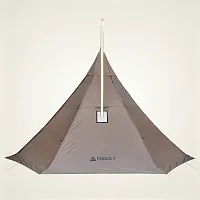
HUSSAR Series
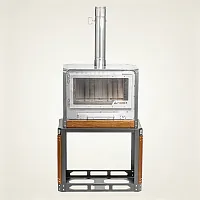
Druid Series
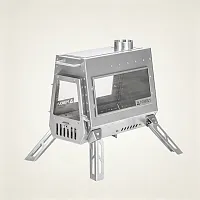
Dagger Series
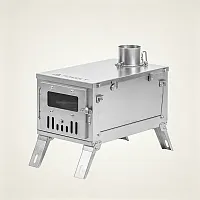
GT Series
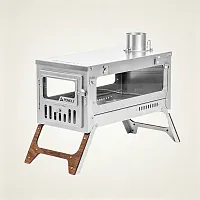
T1 3.0 Series
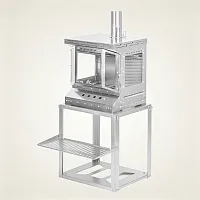
Reactor Series
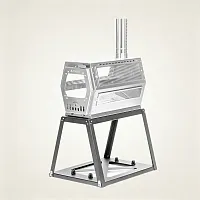
Hive Series
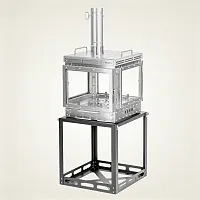
Cube Series
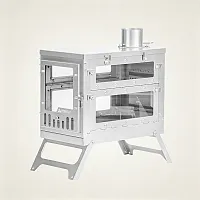
X-Ti Series
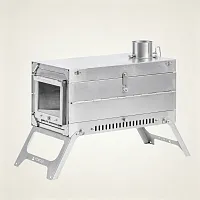
Fold X Series
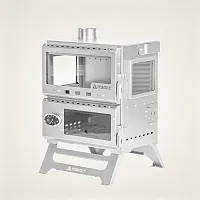
Baker Series

T1 2.0 Series
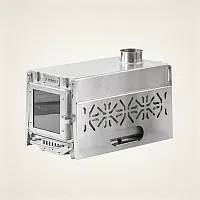
Oroqen 2.0 Series

T-Brick 2.0 Series
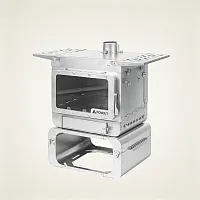
Lumberjack Series
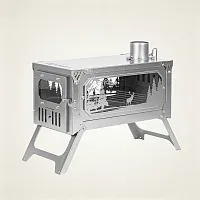
T-Brick Series
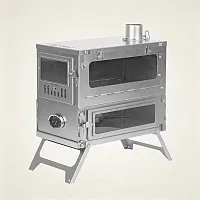
T1 1.0 Series
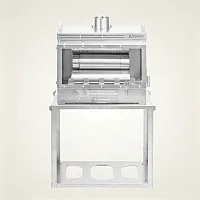
Dweller Ti Series
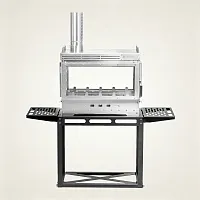
Dweller Series

TRAVELLER Series
TIMBER Series


Barracuda Series
Roost Series
Openvista Series
Sphere X Series
Dune Series
Circle Tent Series
Locomotive Series
LEO Series
Dome X Series
Bromance Series
PEAK Series
CHALET Series
STOVEHUT Series
HEX Series
YARN Series
MANTA Series
HUSSAR Series
Druid Series
Dagger Series
GT Series
T1 3.0 Series
Reactor Series
Hive Series
Cube Series
X-Ti Series
Fold X Series
Baker Series
T1 2.0 Series
Oroqen 2.0 Series
T-Brick 2.0 Series
Lumberjack Series
T-Brick Series
T1 1.0 Series
Dweller Ti Series
Dweller Series
TRAVELLER Series
TIMBER Series
Cart
What is Family Basecamp? Guide for Beginners
What is Family Basecamp? Guide for Beginners
Family Basecamp is a temporary outdoor camp designed to give families a comfortable, organized, and practical place to stay together during an outdoor trip. Unlike a basic campsite that mainly provides a place to sleep, a family basecamp is arranged around everyday outdoor living. It can include dedicated areas for sleeping, cooking, eating, relaxing, storing gear, and spending time together, making it easier for parents and children to enjoy several days outdoors from one central location.
In simple terms, a Family Basecamp is a temporary outdoor home built for family camping. The focus is not simply on having a large tent, but on creating a campsite that works well for everyone in the group. Shelter, sleeping space, cooking equipment, furniture, storage, lighting, and outdoor activities all become part of one practical setup.
What Does Family Basecamp Mean?
The word “basecamp” suggests a place you return to between activities. For a family trip, that idea becomes especially useful. Instead of moving camp every day, a family can establish one comfortable location and use it as a home base for hiking, fishing, sightseeing, exploring, or simply relaxing outdoors.
A Family Basecamp usually stays in one location for multiple nights. During the day, family members can head out for different activities, then return to the same shelter for meals, rest, games, conversation, and sleep. This makes the experience feel less like constantly packing and unpacking and more like living outdoors for a few days.
There is no single tent, campsite size, or camping style that officially defines a Family Basecamp. What matters most is the way the space is planned and used. A small family might create a simple basecamp with a four-person shelter, while a larger group may need a large family tent with more room for sleeping, storage, and shared activities.
How Is a Family Basecamp Different from Regular Family Camping?
Family camping can mean many different things, from an overnight tent trip to a week-long stay at a campground. A Family Basecamp takes the idea one step further by treating the campsite as a functional living space rather than just a sleeping area.
- Regular family camping: The tent is often used mainly for sleeping and storing essential gear.
- Family Basecamp: The campsite is organized for sleeping, cooking, eating, relaxing, storing equipment, and spending time together.
- Regular camping: The setup may change frequently when traveling between locations.
- Family Basecamp: One location serves as a central home base for several days.
This difference becomes particularly noticeable when camping with children. A little extra space can make it easier to keep sleeping areas organized, prepare meals, change clothes, dry wet gear, or simply give everyone somewhere to sit when the weather changes.
What Makes a Good Family Basecamp?
A good Family Basecamp does not have to be luxurious or complicated. The best setups are usually the ones that match the family's actual needs. The goal is to make outdoor life easier without bringing so much equipment that setting up camp becomes a chore.
1. Enough Space for Everyone
Space is one of the first things to consider. A shelter should provide enough room for sleeping while leaving some usable space for changing clothes, organizing equipment, or spending time together. Families should also consider how much gear they normally bring, rather than choosing a tent based only on the number of sleeping spots.
Depending on the group size, options such as a 4 Person Tent, 6 Person Tent, or 8 Person Tent can provide different levels of usable space.
2. A Practical Layout
Good organization matters just as much as floor area. Try to give different activities their own places. Sleeping gear can stay in one section, cooking equipment in another, and frequently used personal items somewhere easy to reach.
For larger families, a family tent with rooms can also create a useful separation between sleeping and common areas. Even a simple division can make a busy campsite feel much more manageable.
3. Weather Protection
A Family Basecamp should be prepared for the conditions you expect to encounter. Rain, wind, cold temperatures, and changing weather can quickly affect family comfort, especially when young children are involved.
For trips in colder seasons, a 4 Season Tent or Cold Weather Tent may be more appropriate than a lightweight three-season shelter.
Why Build a Family Basecamp?
The biggest advantage of a Family Basecamp is that it creates a predictable place where everyone can settle in. Children can become familiar with the space, parents do not need to reorganize camp every morning, and the whole family has a comfortable place to return to after a day outside.
A basecamp also changes the pace of a camping trip. You do not necessarily have to fill every hour with activities. Some of the best family camping memories can come from ordinary moments: making breakfast together, reading inside the tent while it rains, playing cards after dinner, or sitting outside as the sun goes down.
For this reason, a Family Basecamp is particularly suitable for families who want to combine outdoor adventure with slower, more relaxed time together.
How to Build a Family Basecamp
You do not need to buy everything at once. Start with the elements that have the biggest effect on comfort and organization, then add equipment based on how your family actually uses the campsite.
- Choose a suitable location. Look for a safe, legal campsite with appropriate ground conditions, drainage, access, and enough space for your shelter and activities.
- Select the right shelter. Think about sleeping capacity, usable floor space, weather protection, ventilation, and how much gear your family normally carries.
- Create sleeping zones. Keep sleeping bags, pads, pillows, and personal items organized so everyone has a clear place to sleep.
- Set up a cooking area. Keep food preparation separate from sleeping spaces where practical and follow local fire and food-storage rules.
- Add a shared living area. Chairs, a small table, lighting, and a sheltered place to sit can make a major difference during longer stays.
- Plan for weather changes. Keep rain gear, warm clothing, and frequently used items accessible rather than buried at the bottom of a storage bag.
What Gear Does a Family Basecamp Need?
The exact equipment depends on the destination, season, and length of the trip. A basic setup might include a family-sized shelter, sleeping systems, cooking equipment, lighting, seating, food storage, and a simple organization system.
For families who enjoy camping in colder conditions, a heated tent can become part of a more comfortable cold-weather setup. A shelter with a stove jack can also be used with an appropriate tent stove when the shelter, stove, chimney, ventilation, and clearances are designed for that purpose.
Hot tenting can be especially interesting for families who enjoy extended stays in cool or snowy conditions. A Hot Tent combines shelter with the option of using a compatible stove for heating and, depending on the setup, cooking. However, a stove should never be treated as a substitute for proper ventilation, safe installation, or appropriate supervision around children.
Family Basecamp vs. Glamping
Family Basecamp and glamping can overlap, but they are not the same thing. Glamping generally emphasizes comfort and convenience, while Family Basecamp is defined more by its function as a shared outdoor home base.
A family can create a very simple Family Basecamp with practical camping equipment and still have a great experience. On the other hand, a family can build a highly comfortable setup with larger furniture, better bedding, and additional amenities. The level of luxury is optional; the basecamp concept is about how the space supports family life outdoors.
How Long Can You Stay in a Family Basecamp?
There is no fixed duration. A Family Basecamp can work for a weekend, a long weekend, or a longer camping trip. What matters is that the campsite remains useful as a central living space throughout the stay.
For a two-night trip, the setup may stay relatively simple. For a week-long trip, organization becomes much more important. Food storage, laundry and drying areas, gear management, waste handling, weather protection, and daily routines all deserve more attention as the length of the stay increases.
Tips for Making Family Basecamp More Comfortable
The easiest way to improve a family campsite is often not to add more gear, but to make the gear you already have easier to use.
- Keep frequently used items within easy reach.
- Give children their own small storage area or gear zone.
- Separate wet and dry clothing whenever possible.
- Keep cooking equipment together instead of spreading it throughout the campsite.
- Leave enough open space for people to move around safely.
- Use simple lighting so everyone can find their way around after dark.
- Prepare a backup plan for rain, strong wind, or unexpected temperature changes.
Think about the campsite from the perspective of the entire family. A setup that looks impressive in a gear list is not necessarily better if it takes hours to assemble or leaves no room to move.
Is Family Basecamp Good for Beginners?
Yes. In fact, the basecamp approach can make family camping easier for beginners because it encourages people to stay in one place and organize the campsite before heading out to explore.
First-time family campers can start small. Choose a nearby destination, stay for one or two nights, and pay attention to what the family actually uses. After the trip, it becomes much easier to decide what needs to be upgraded, added, or left at home.
The most useful Family Basecamp is not necessarily the biggest one. It is the one that makes the family's time outdoors comfortable enough to enjoy without making camping unnecessarily complicated.
Conclusion: What is Family Basecamp?
Family Basecamp is a temporary outdoor camp designed to provide families with a comfortable, organized, and functional place to live during an outdoor trip. It goes beyond using a tent simply as a place to sleep by creating space for sleeping, cooking, eating, relaxing, storing gear, and spending time together.
The idea is simple: establish one reliable outdoor home, organize it around the needs of the whole family, and use it as a comfortable starting point for everything you want to do outside. With the right shelter, thoughtful layout, practical gear, and preparation for local conditions, a Family Basecamp can turn a normal camping trip into a more relaxed and memorable outdoor experience.
Ultimately, Family Basecamp is less about having more equipment and more about creating a better way to live outdoors together. That idea sits at the heart of modern basecamp camping: building a temporary outdoor home that gives families the freedom to explore, slow down, and enjoy their time outside.
- Contact Us
-

Forge Your Outdoor Home!
At POMOLY,
we believe home is more than a place; it is a feeling you can create anywhere in the wild.
From shelter and fire to outdoor living, our gear helps you forge a basecamp, stay awhile, and make the wild feel like home.
- Company Info
- POMOLY Story
- About us
- Contact Form
- Leave-No-Trace
- Facebook Group
- YouTube Videos
- Contact Info
- Topic Collections
- Policies & Terms
- Payment Policy
- Shipping Policy
- Return & Refund
- Privacy Policy
- Terms of Use
- Duty Policy
- Product Safety Notice
- Warranty Guidelines
- INTELLECTUAL PROPERTY RIGHTS
- User Center
- Forget Password
- My Orders
- Tracking Order
- My Account
- Register
Copyright © 2026 Pomoly All rights reserved. Sitemap
FREE SHIPPING | FULL REFUND | SAFE PAYMENT | EMAIL SUPPORT